The opening death sets the slasher’s rules
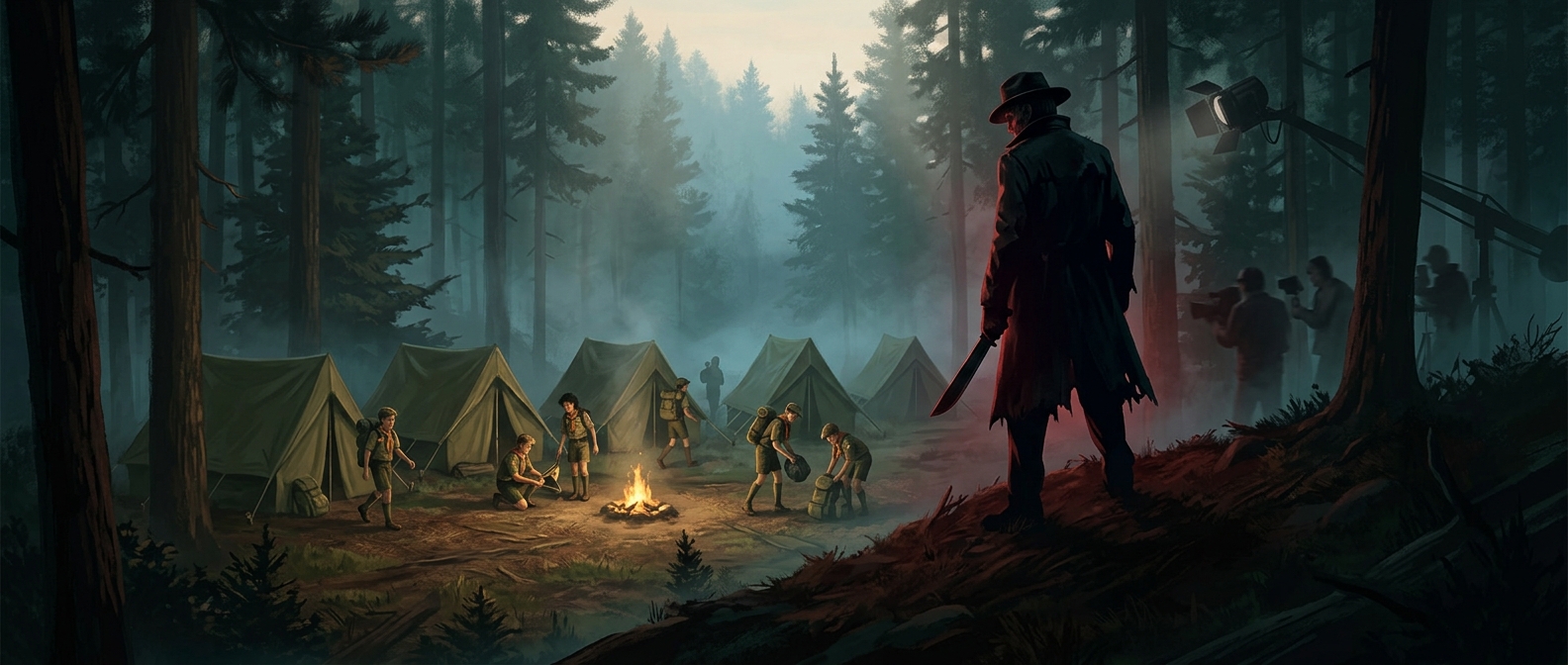
A slasher has a problem to solve early: its central threat is often a masked or otherwise opaque killer, and the story may take time to introduce a group of characters. An opening attack gives the audience a concrete reason to watch those introductions differently. A dark hallway or an unanswered phone call is no longer just atmosphere; it may be a warning.
The first victim is often outside the main group of characters. That lets the film demonstrate what the killer can do without immediately disrupting the cast whose choices and relationships will drive the rest of the plot. The scene also establishes the movie’s basic terms: danger can arrive suddenly, ordinary places may not be safe, and the killer’s presence will shape what follows.
A burst of violence, then a change in pace
After that demonstration, a film can slow down to build suspense. Viewers know violence is possible, but they may not know who is in danger or when the killer will appear. This contrast makes quieter scenes carry tension: a character alone in a house is now being watched through the audience’s expectations, even before the film shows a threat.
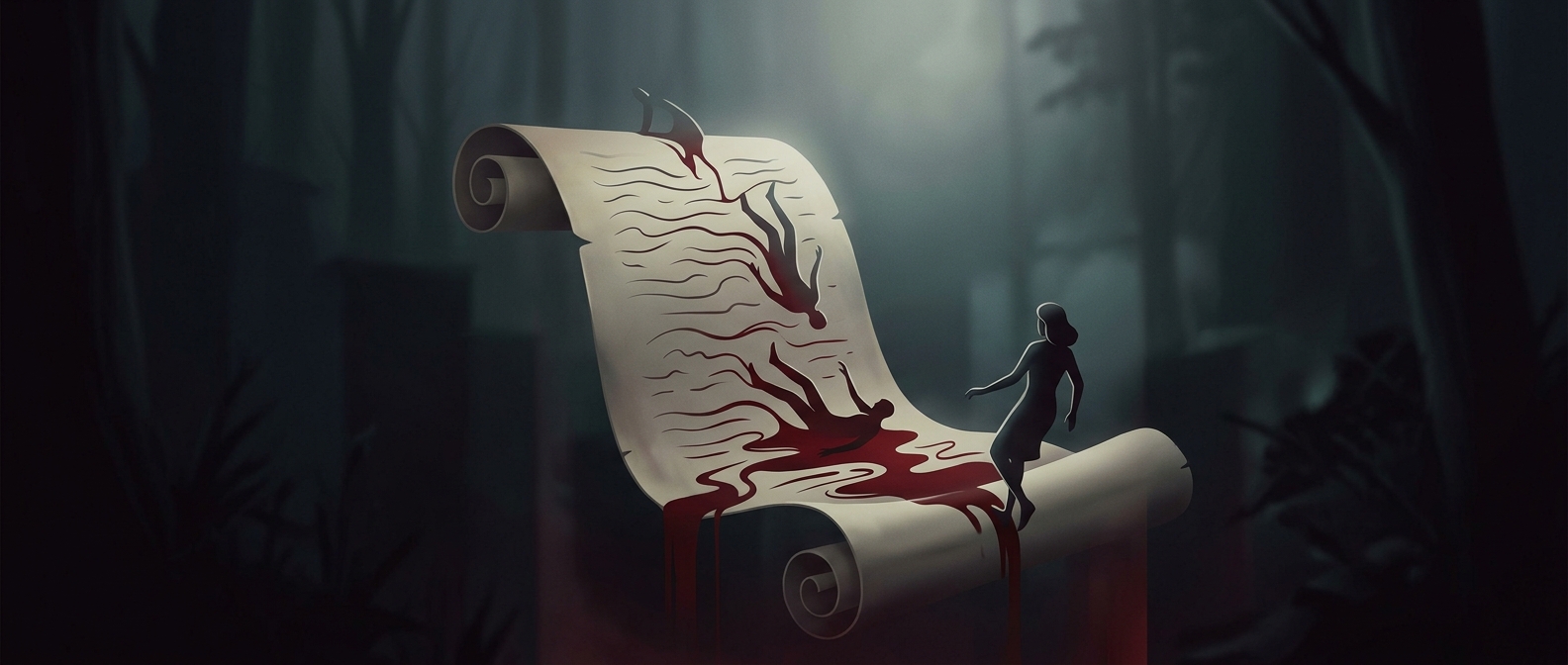
The early death is therefore more than a quick shock. It is a structural cue—an opening promise that the story will test its characters against a killer, while saving the larger pattern of pursuit, suspicion, and survival for what comes next.