From lit windows to a logic grid
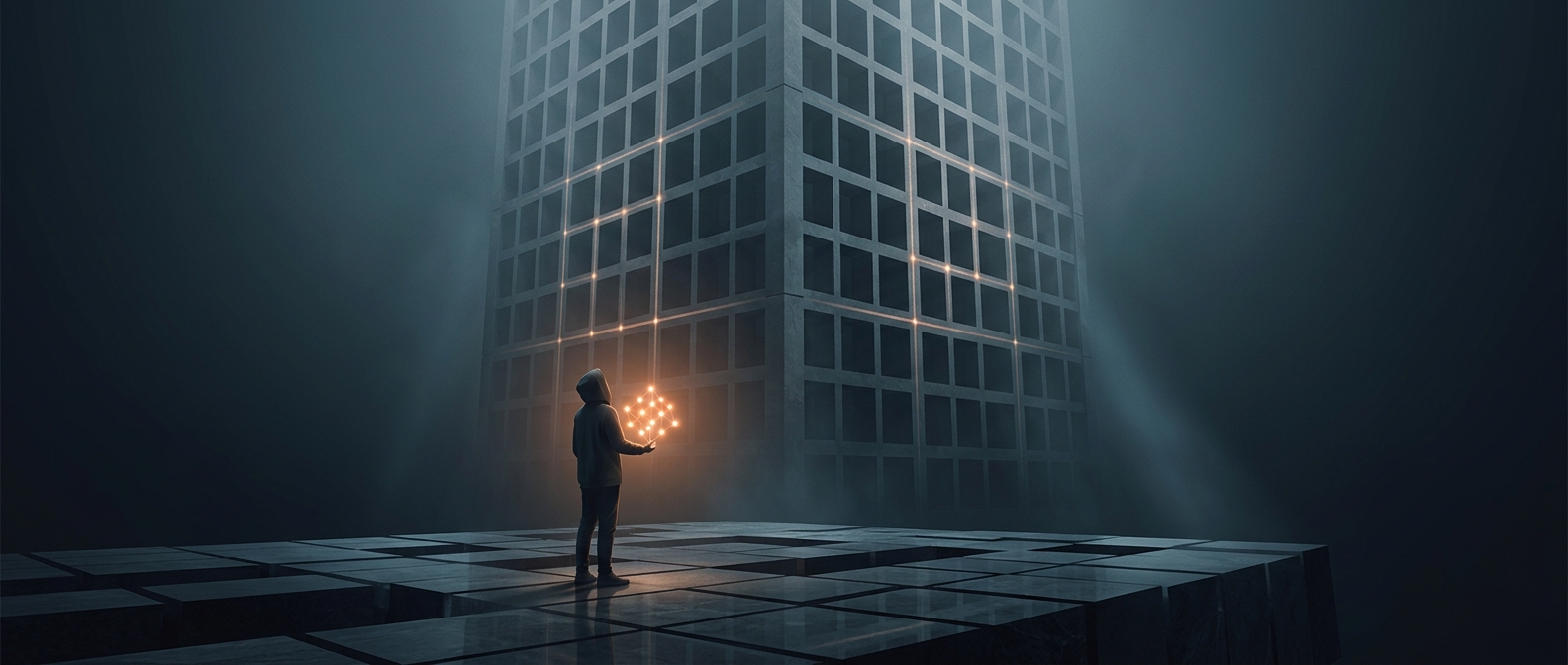
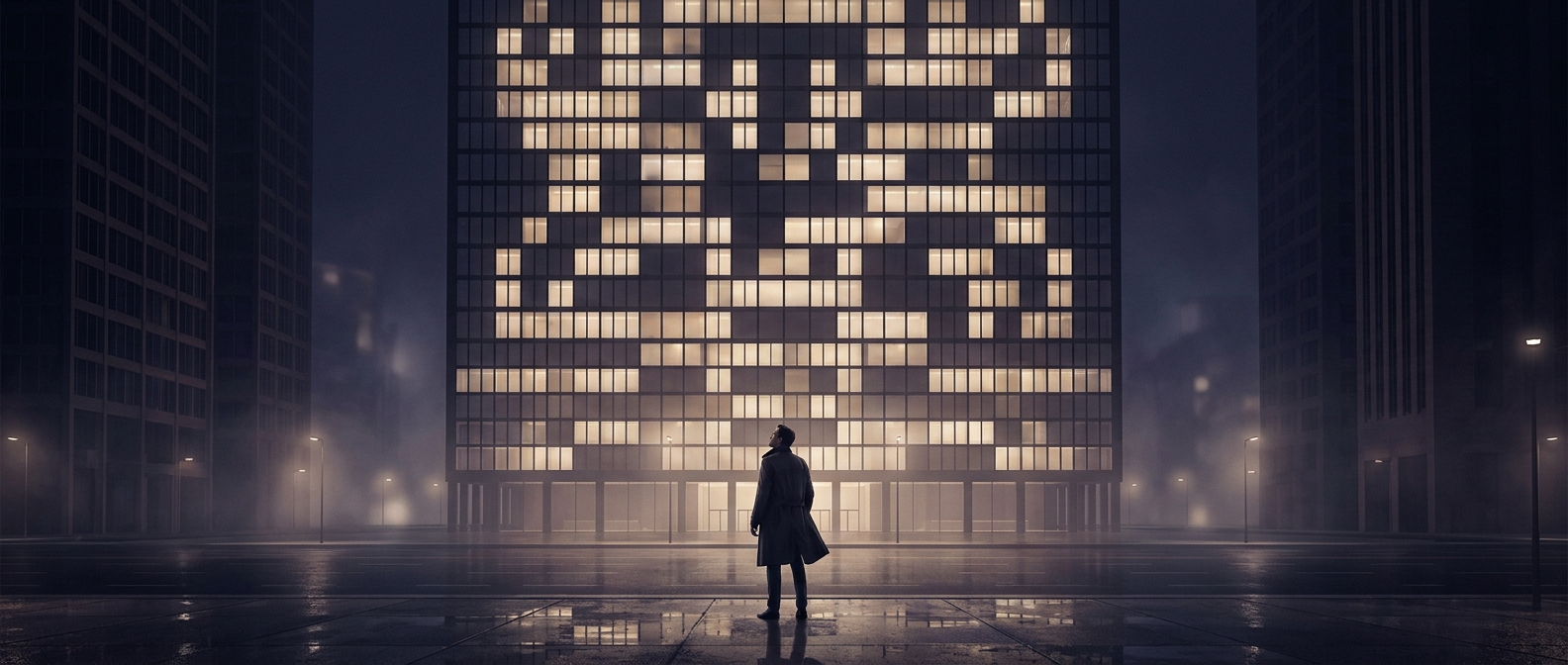
A high-rise at night can look like a giant pixel display: each window is either bright or dark, and together the windows form a rough image. Japanese designer Non Ishida drew on that visual idea to create a puzzle in which players reveal a picture by deciding which squares in a grid should be filled.
The key design move was to replace guessing from a picture with clues that describe the picture indirectly. Every row and column carries a sequence of numbers. Those numbers tell you the lengths of the unbroken runs of filled squares, in order. A row marked 3, 1, for instance, must contain a run of three filled cells, then at least one empty cell, then a single filled cell.
The picture emerges through deduction
Each clue limits what can fit in its line. A long run may have only a few possible positions; once one position is ruled out, the clues for crossing columns become easier to interpret. Players move back and forth between rows and columns, using each new deduction to narrow the others.
That interlocking structure is what makes the puzzle work. The numbers do not tell you directly what the image is, so solving depends on logic rather than recognizing a familiar outline. At the same time, the grid’s filled and empty squares preserve the simple visual idea behind the inspiration: a picture assembled from points of light and darkness.
The result is a puzzle with two payoffs. You can enjoy the deductions line by line, then see an image take shape as the grid fills—like watching a building’s scattered lit windows resolve into a picture.