Why a Few Creators Capture So Much
Subscription platforms turn an audience into recurring revenue: followers can pay regularly for access, and some also spend on additional content or direct interaction. But the ability to charge does not mean every creator can reach enough paying customers to earn a living. The key scarce resource is attention.
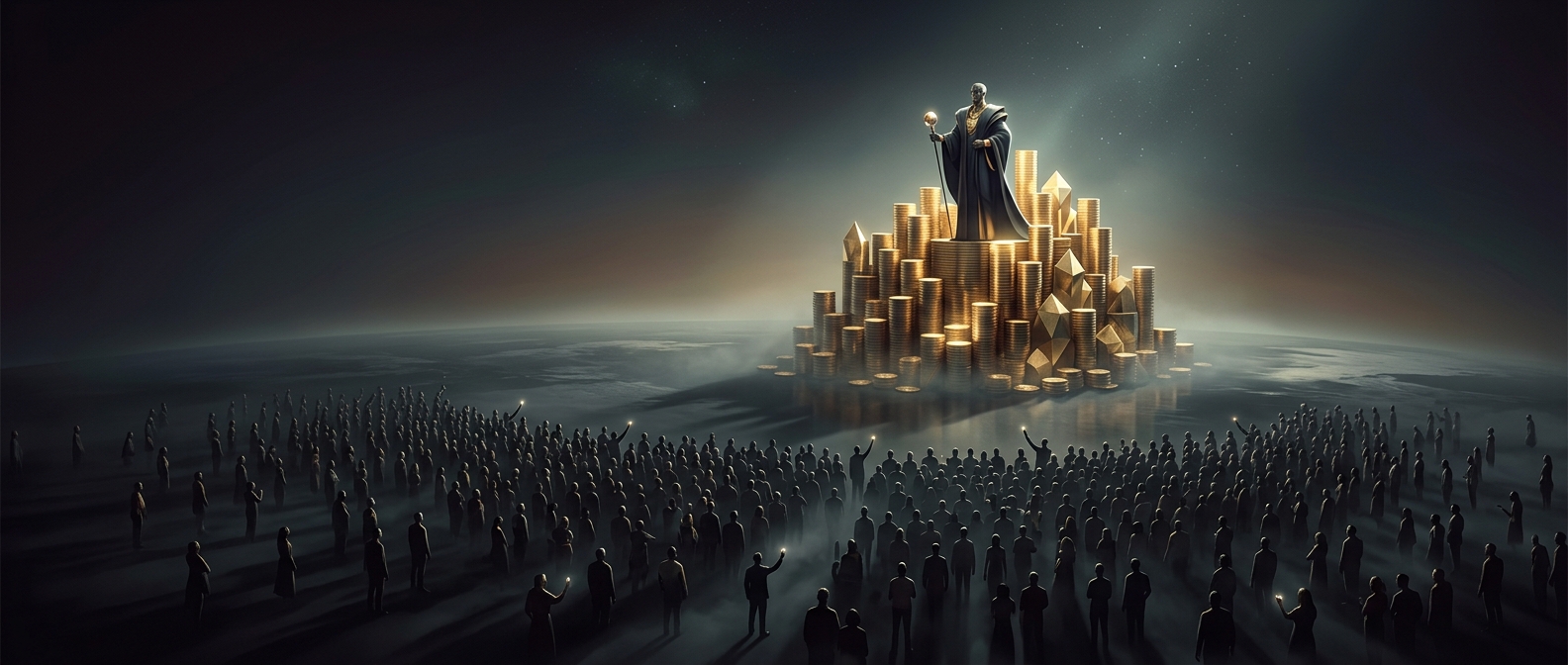
A creator who already has a large following elsewhere can bring potential subscribers to a new page. Strong visibility can then make it easier to attract more followers, while creators who remain hard to discover have fewer chances to convert interest into paid subscriptions. That feedback loop—attention bringing income, and visibility helping attract more attention—can concentrate earnings at the top.
Recurring Payments, Uneven Audiences
A subscription model can make income feel steady, but it does not make it equal. A creator needs to keep attracting paying subscribers and give them reasons to stay. One person may have a large, loyal audience; another may put in similar effort but reach far fewer people. Because each paying customer contributes only a limited amount, differences in audience size can translate into enormous differences in revenue.
The headline earnings also are not the same as take-home pay. Platform charges, taxes, production costs, and the time spent creating and communicating can all reduce what a creator keeps. And a highly visible success story says little about the typical creator’s earnings: the people who earn the most are also the most likely to be noticed.
That is why the platform’s apparent promise—turning personal followings into income—can coexist with very low earnings for many participants. The same audience economy that lets a star monetize millions of fans also makes being seen, not merely signing up, the crucial economic advantage.