Why Sprawling Development Turns Distance Into a Car Expense
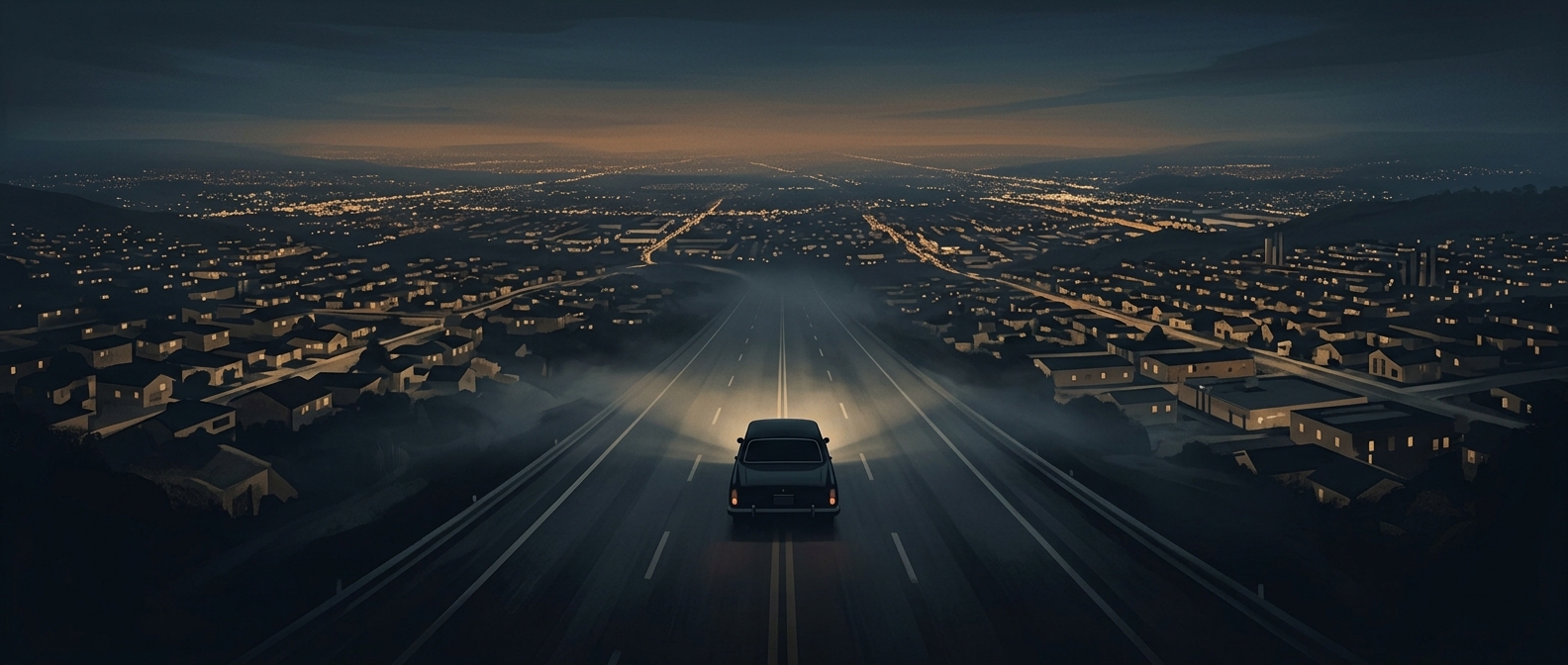
In a spread-out neighborhood, the problem is not simply that destinations are farther away. Homes, shops, schools, and workplaces are often built in separate clusters, with wide roads and large parking areas between them. That layout makes each trip longer and leaves fewer useful destinations along the way.
Walking depends on more than the distance from one door to another. A route also has to be reasonably direct, safe to cross, and connected to places people need. A short trip on a busy road with no sidewalk may be impractical, while several errands close together can be manageable on foot in a compact area.
Why Other Options Become Harder to Provide
Transit works best when enough people and destinations are close to its routes. In low-density areas, riders are spread across a large footprint, so buses may need to travel farther between stops and run less often. That can make a trip take so long that driving is the more workable choice—even for residents who would prefer another option.
The same geometry affects cycling: long distances and fast-moving traffic can make a bike trip feel unsafe or inconvenient. These are not merely individual preferences; the built environment shapes which choices are realistic.
The Costs Spread Beyond the Driver
A household may need to budget for a car, fuel, upkeep, and insurance to reach ordinary destinations. Roads and parking also take land and require public maintenance. Meanwhile, businesses in scattered locations depend on customers being able to travel there, often by car.
The result is a reinforcing pattern: development arranged around driving makes driving useful for more trips, while alternatives become harder to sustain. A car can feel necessary not because every resident chose it, but because the neighborhood was built to make other ways of getting around costly in time or effort.