The hidden work of a “relaxing” rental
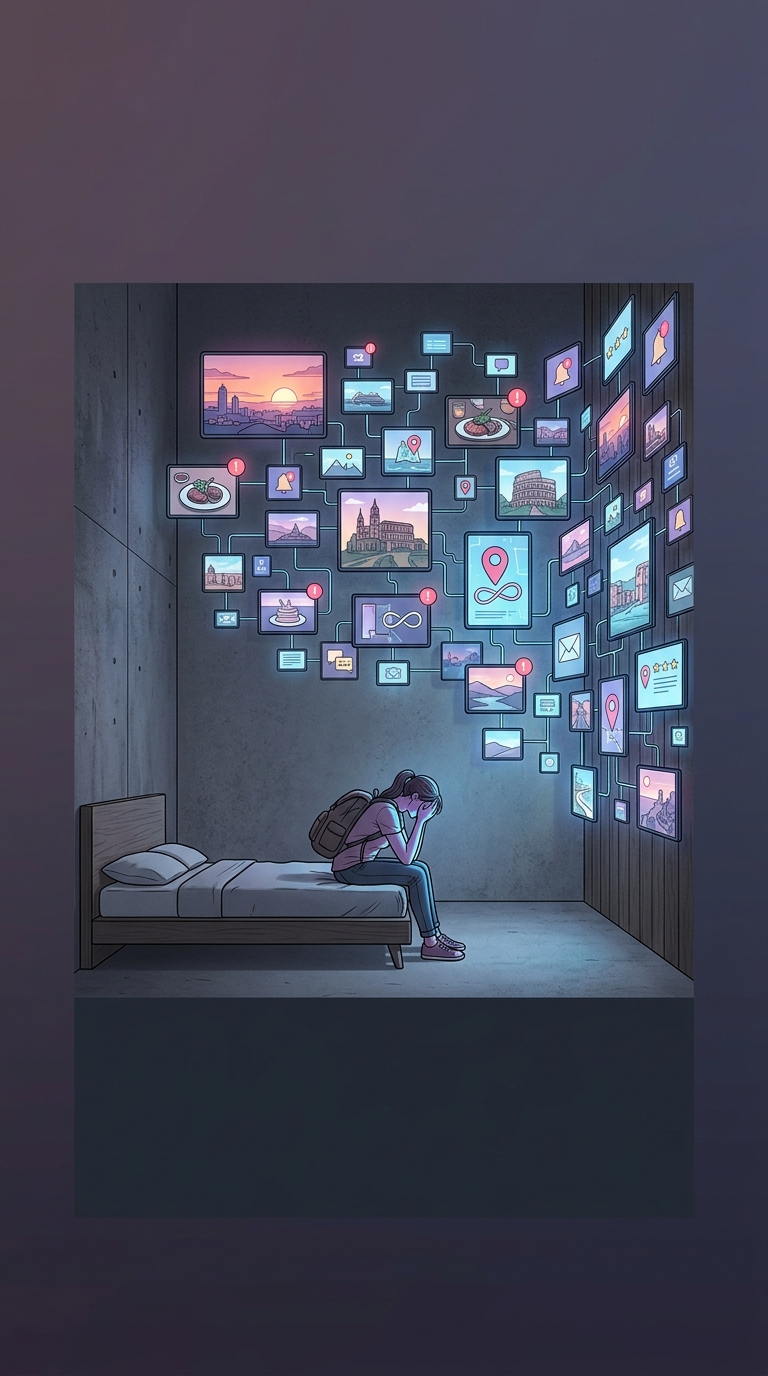
A boutique vacation rental can feel more like borrowing someone’s home than checking into a hotel. That difference can quietly add work to a trip: guests may need to decode an unfamiliar lock, find household supplies, manage the thermostat, sort rubbish, or work out what must be done before checkout. Each task is small, but together they keep attention on logistics instead of rest.
The work is not only physical. When instructions are scattered across messages, signs, and house manuals, guests have to remember rules and make repeated decisions. A hotel usually concentrates those decisions at check-in and provides staff to handle many problems; a rental may leave guests to troubleshoot them themselves.
Charm can come with less predictability
Distinctive interiors and residential locations are part of a rental’s appeal, but they can also mean unfamiliar layouts, stairs, street noise, or fewer convenient services nearby. Guests may spend extra time figuring out how the space works or arranging meals and transport. If the rental is shared with friends or family, one person may end up coordinating keys, groceries, cleaning, and checkout for everyone.
These demands can be easy to overlook while planning, because photos emphasize the space and its character, not the effort required to use it. The result is a mismatch: the stay looks restful, but managing it can resemble a small project.
What makes the difference
A rental is more likely to feel restorative when practical details are clear and the property’s routines are simple: easy arrival instructions, reliable basics, realistic checkout expectations, and a responsive person to contact. The key distinction is not charm versus comfort, but how much of the stay the guest must manage. A beautiful home feels like a retreat when its character enriches the visit without turning the guest into its caretaker.