Why Poison Has No Dramatic Pause
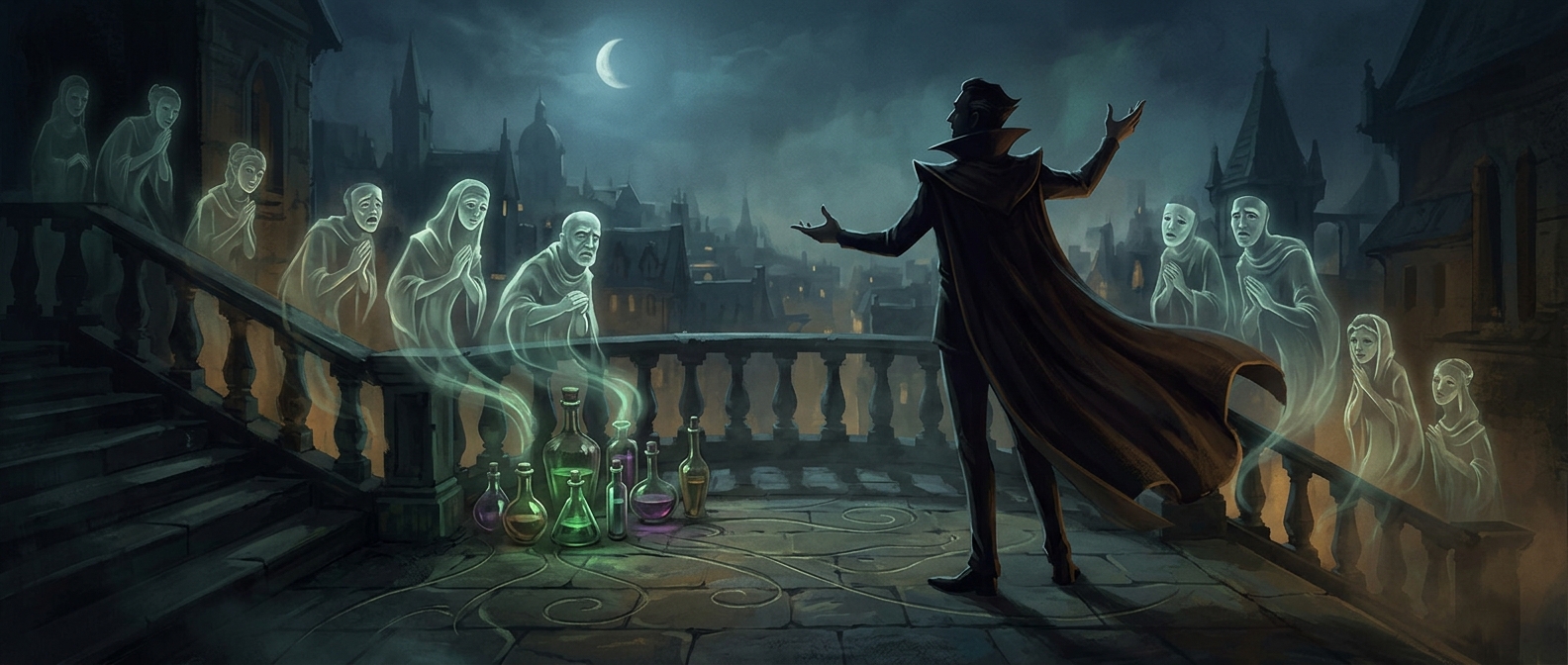
A movie poison often behaves like a switch with a built-in delay: the victim stays upright long enough to identify the killer, deliver a warning, or finish a confession. Real poisoning is not timed to a scene. What happens depends on the substance, how much enters the body, and how it gets there.
Toxins Disrupt Different Parts of the Body
A toxin is a harmful substance made by a living organism; the broader word poison also covers harmful chemicals. Some substances interfere with nerve signals, others damage cells or organs, and still others prevent blood from carrying oxygen effectively. The body may respond with pain, confusion, weakness, vomiting, seizures, breathing trouble, or loss of consciousness. There is no universal sequence, and symptoms may begin quickly or emerge over hours or longer.
Even the same substance can affect people differently. Dose, route of exposure—such as swallowing or breathing it in—and a person’s size and health all matter. That variability makes a neat, predictable countdown especially implausible.
The Delay Is a Storytelling Choice
Screenwriters use a delayed collapse because it preserves a character’s agency at the moment the plot needs it. The audience can learn who did it, understand the stakes, and watch the victim react before the scene ends. A poison that causes rapid confusion or unconsciousness would cut off that useful dialogue; one with a slow, uncertain course would make the timing harder to control.
So the cinematic pause is less a property of poison than a piece of dramatic engineering: it gives the story one last exchange. In real life, suspected poisoning is an emergency, not a countdown to a speech.