Why “What Could Possibly Go Wrong?” Sounds Like a Warning
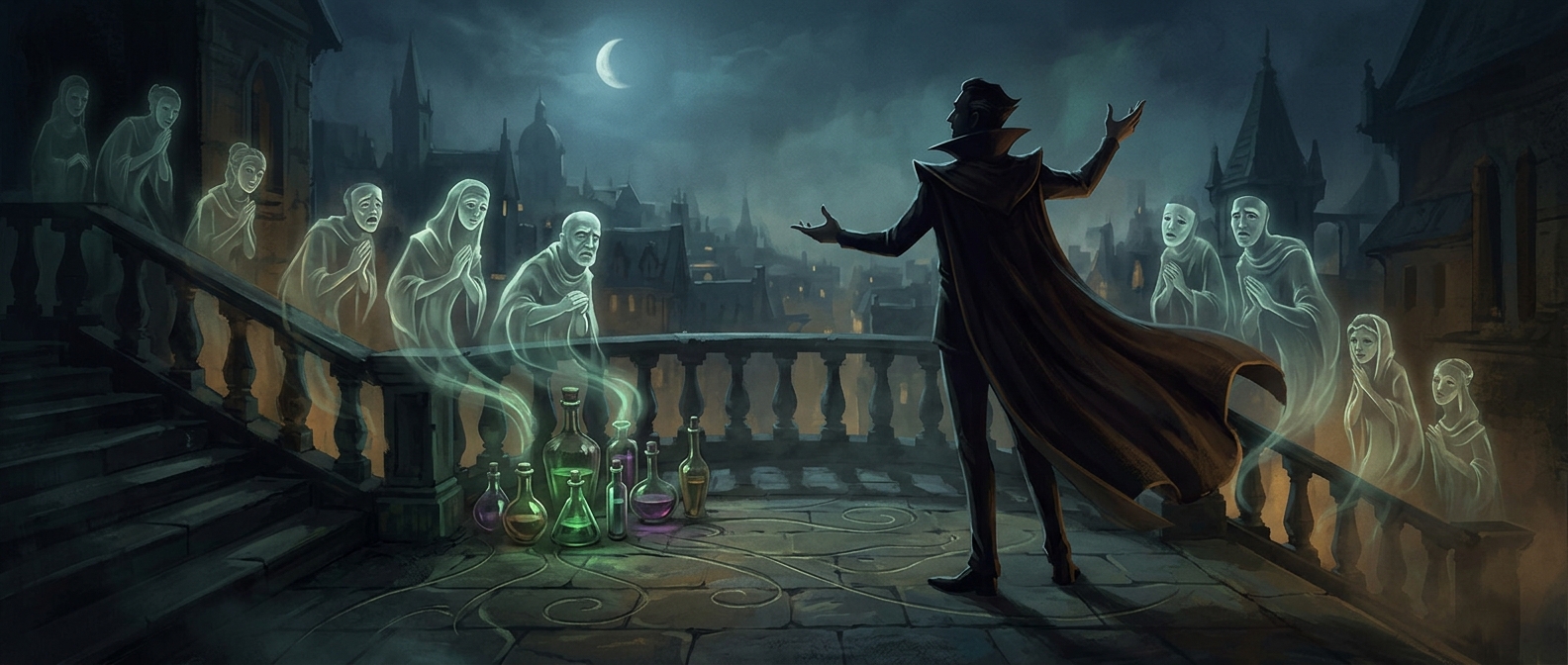
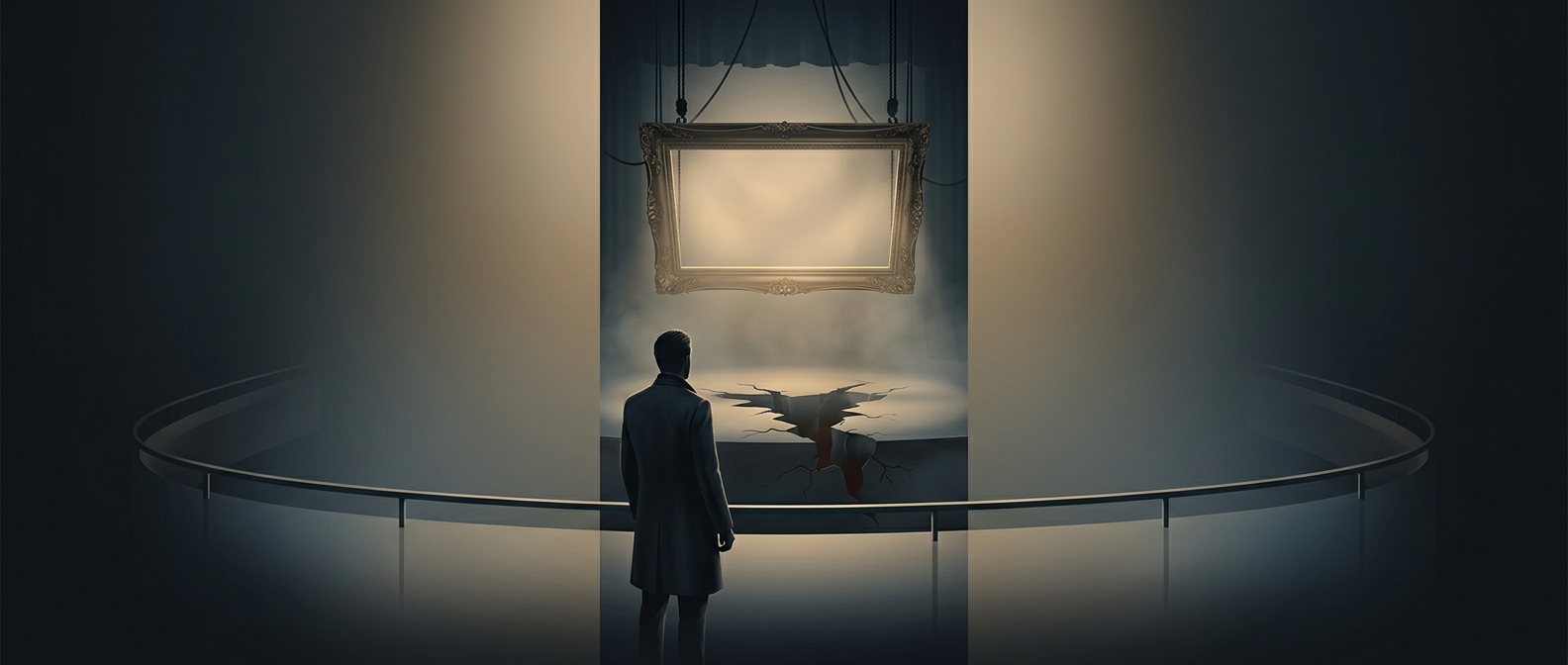
In a story, a character who confidently asks what could go wrong is rarely making a neutral observation. The line tells the audience that the character has overlooked a risk—and that the story is about to make the risk impossible to ignore. The confidence itself becomes a cue to brace for trouble.
Writers use this as dramatic irony: the audience recognizes a danger the character does not, or at least suspects that the character’s optimism is misplaced. The question can land just before a plan fails, an experiment goes awry, or a harmless-looking choice sets off a chain reaction. The more assured the speaker sounds, the sharper the contrast when events turn.
A Shortcut for Building Anticipation
The phrase is useful because it creates a small promise without spelling out what will happen. Instead of explaining every possible complication, a writer lets the audience imagine one. That moment of prediction builds suspense, while the eventual mishap supplies the payoff.
The disaster may arrive immediately for comic effect: a character finishes the sentence, and the plan collapses. In a longer story, the line can work as foreshadowing—a clue that becomes meaningful when trouble arrives later. Either way, the joke or tension depends on the same reversal: a claim of safety becomes the setup for danger.
Why the Pattern Is So Recognizable
Audiences have encountered the beat so often that the phrase can function like a signal flare. Its familiarity makes it easy to understand, but also makes it risky for writers: if the mishap is too obvious or arrives exactly on cue, the moment can feel mechanical. The strongest use gives the confident character a believable reason to feel safe, then lets a specific overlooked detail undo that confidence.