How a late fix can become an early clue
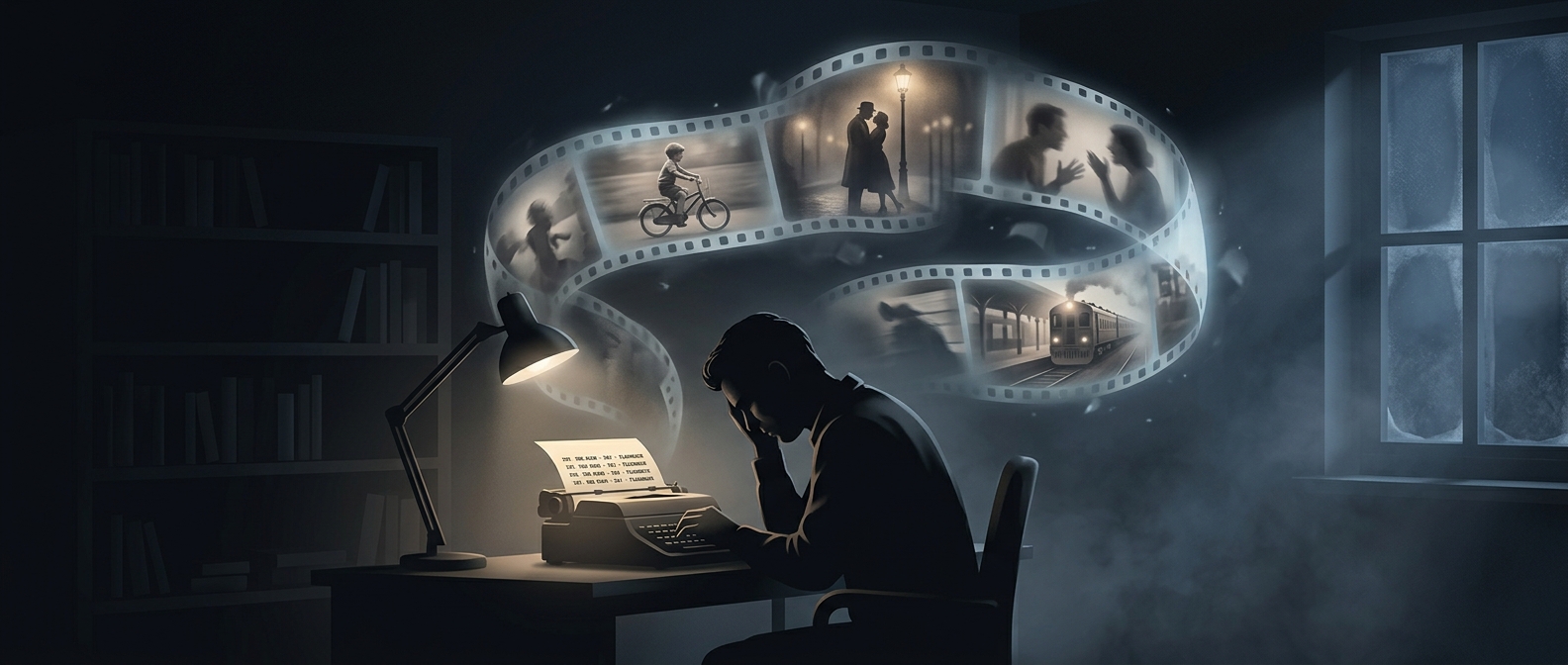
A film’s ending is often settled only after editors and filmmakers have seen how the scenes work together. A reveal that seemed clear in outline may feel abrupt on screen: the audience has not been given enough information to understand why a character acted, or why the final twist follows from what came before.
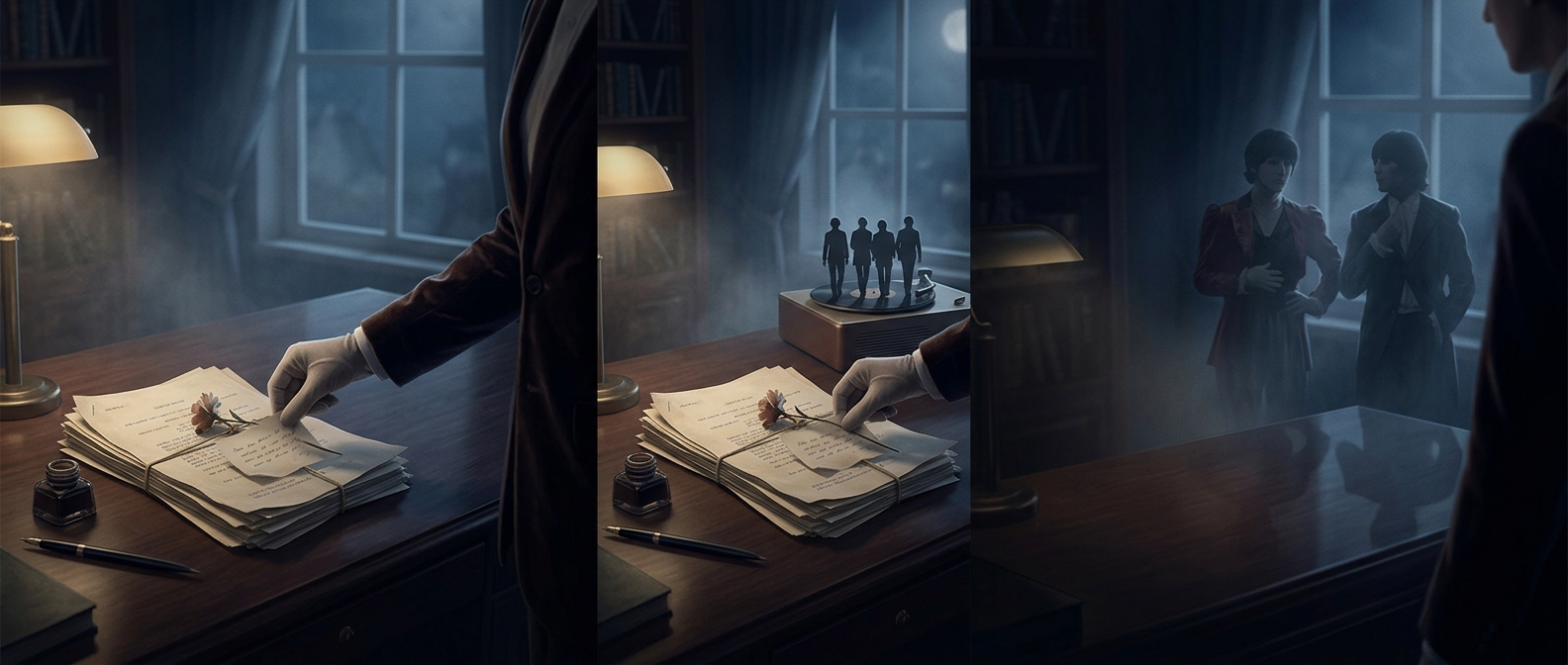
One remedy is to plant a clue earlier. A brief shot of an object, a line of dialogue, or a character’s unusual reaction can give the ending a cause the audience can recognize in retrospect. The clue does not have to announce what is coming; it simply makes the ending feel earned once viewers know what to look for.
Editing room, not time machine
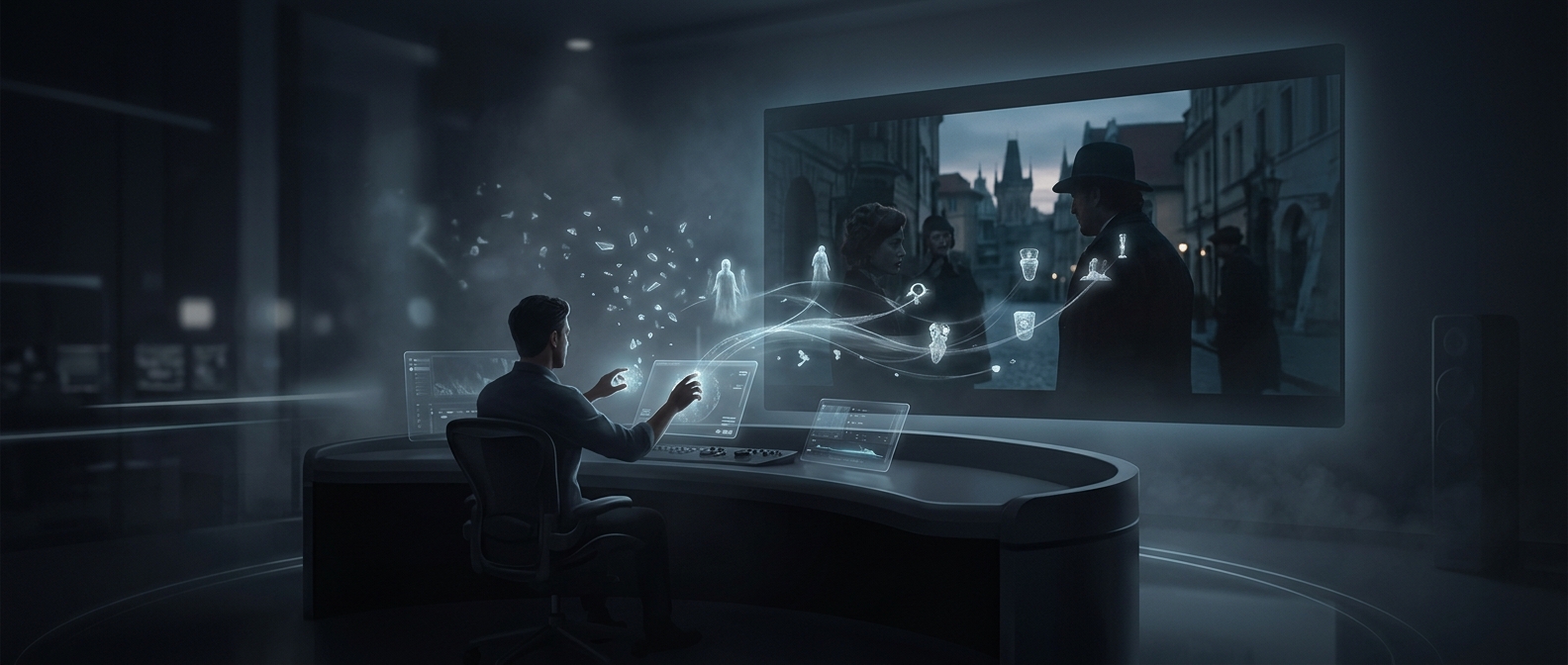
Sometimes the needed material already exists. An editor can bring a moment forward, hold on a reaction a little longer, or preserve a line that seemed incidental. If the film lacks the right image or line, the team may need additional filming—or a small change elsewhere in the cut that gives the ending a clearer explanation.
These fixes have to fit the scene they enter. A new line must sound natural in the conversation; an inserted shot must match the surrounding action and continuity. Too much explanation can also spoil the surprise, so the clue needs to be noticeable enough to support the ending but not so obvious that it gives it away.
The payoff of a second viewing
This is why foreshadowing is not always a master plan laid down before filming. Sometimes it is a repair made after the story’s destination is clearer. Done well, the added detail works twice: first as an ordinary part of the scene, then as evidence that the ending was hiding in plain sight.