When a Flashback Does the Present-Day Story’s Work
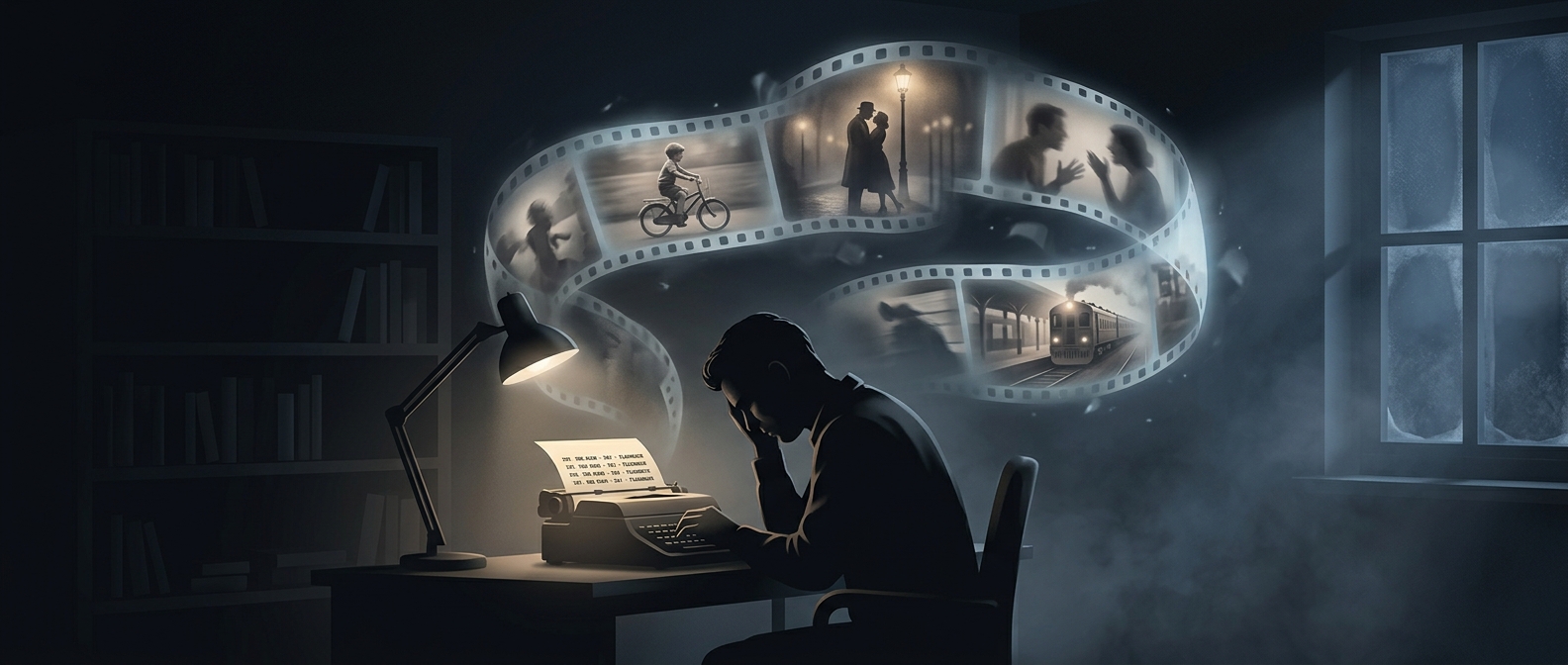
A flashback can deliver a character’s history quickly: the story leaves the current moment, shows an earlier wound, and returns with an explanation for the character’s behavior. That can be useful when the past is difficult to communicate any other way. But it can also make the explanation feel like a pause button—especially if the scene mainly tells viewers why a character is hurt without changing what happens now.
Backstory Is Stronger When It Changes a Choice
The key question is not whether a character has trauma, but how that history affects the next decision. A character might avoid a conversation, lash out at the wrong person, or refuse help. Those actions let viewers notice a pattern before they know its origin. Later, a flashback can deepen the pattern rather than supply the only reason it exists.
This approach keeps the present scene active. The audience sees the character’s past in the friction between what they want and what they can bring themselves to do. A memory can still matter, but it earns its interruption by changing the stakes or revealing something that reshapes the current conflict.
A Useful Test for Writers
If removing the flashback leaves the scene’s choices and consequences essentially unchanged, the sequence may be doing explanatory work the present could carry. If the memory alters how viewers understand a decision—or forces the character to face something they have avoided—it has a stronger dramatic purpose. Backstory lands most powerfully when it helps explain an action the story has already made us care about.