Why villains explain the plan instead of finishing it
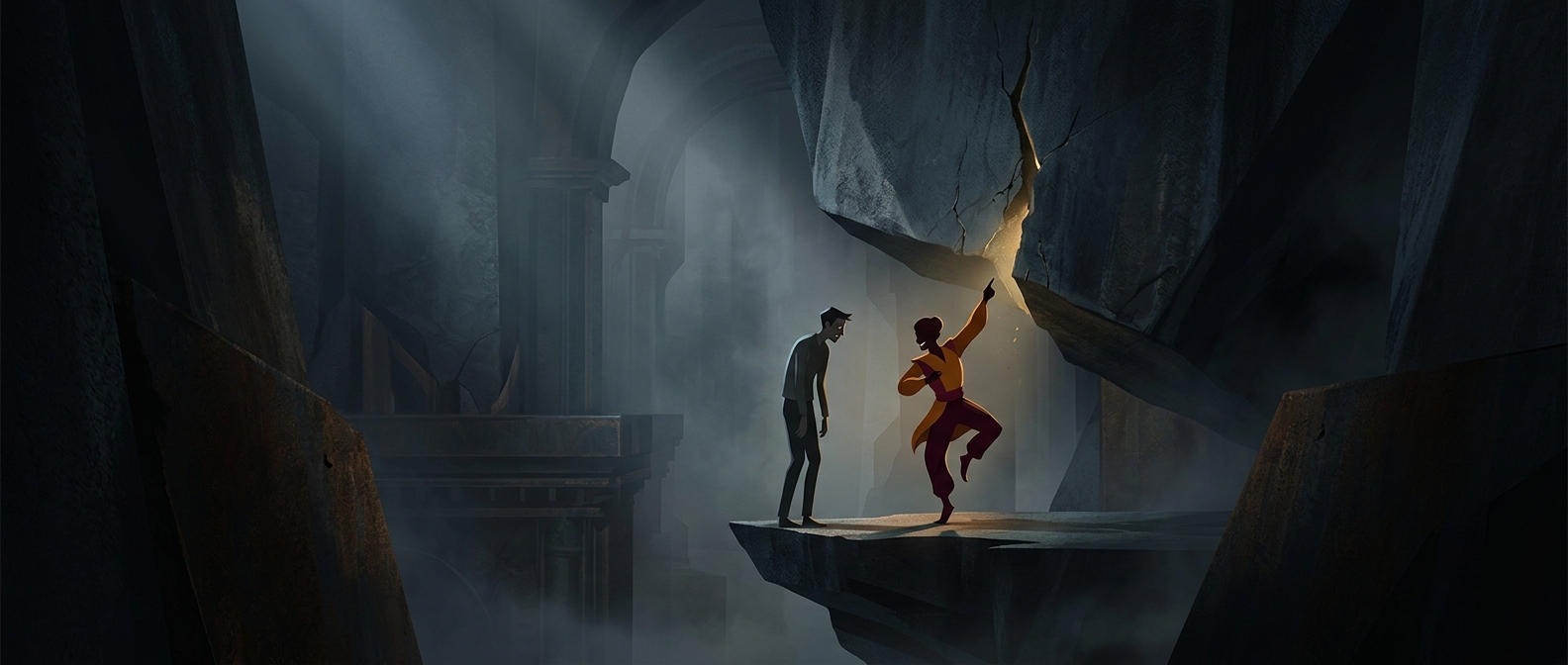
A villain’s monologue creates a practical problem: the more time the antagonist spends explaining, the more time the hero has to find a way out. In a tightly realistic scene, that pause can make the villain look careless. In a heightened adventure or thriller, though, the pause serves a different purpose: it lets the audience understand what is at stake before the confrontation moves on.
Exposition disguised as a threat
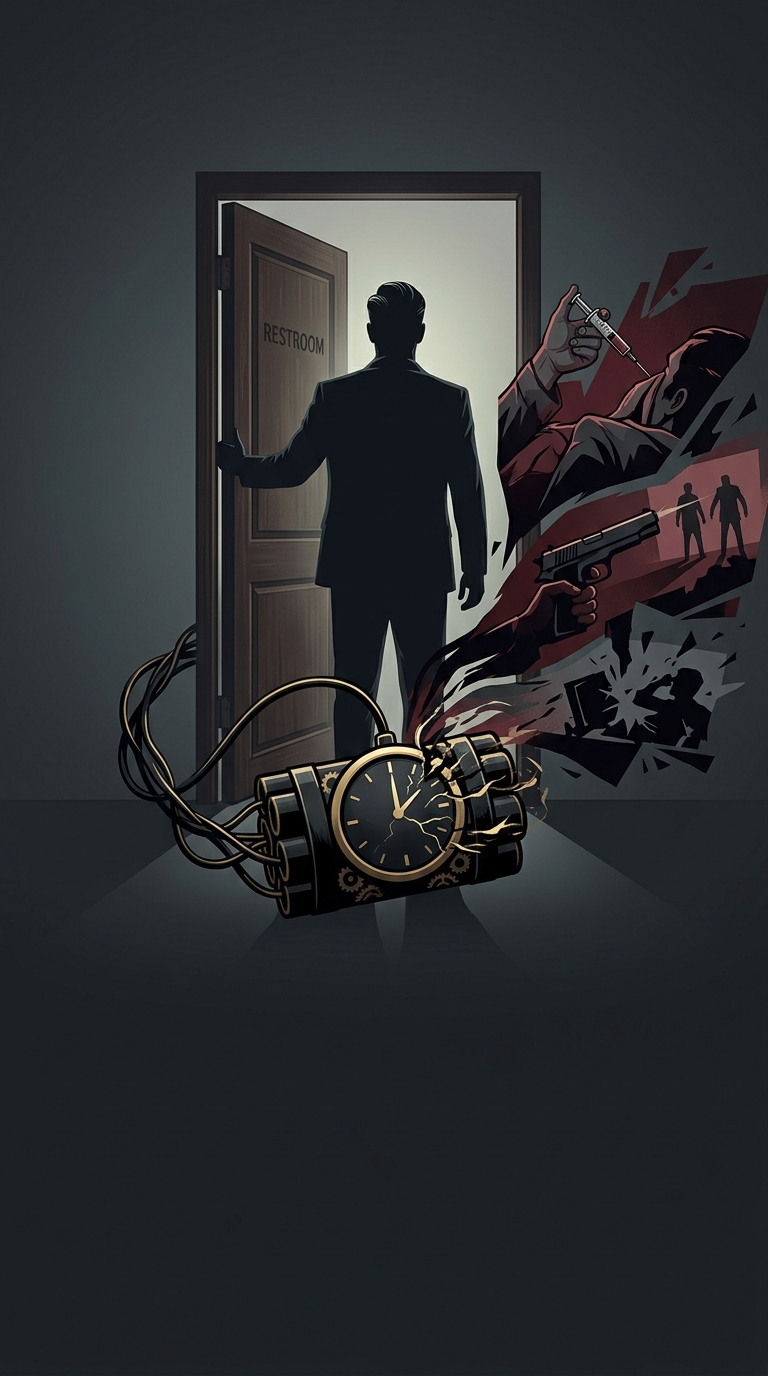
A story often needs to reveal the villain’s motive, the danger of a device, or the hero’s connection to the scheme. A speech puts that information into the scene rather than stopping the action for a separate explanation. It can also sharpen suspense: viewers may know what is coming while the hero is still trapped, waiting for a chance to act.
The speech can reveal character, too. A villain who insists on explaining a victory may care about recognition as much as success. The need to be admired, feared, or understood can become a weakness the hero exploits—not because every antagonist would make that mistake, but because this one’s vanity or obsession has been built into the drama.
A bargain with the audience
The pause works best when the story earns it: the villain has a reason to delay, the hero uses the opening, or the speech exposes something that changes the conflict. If none of those things happen, the explanation can feel like a convenience for the script. The familiar trope is therefore more than spare runtime: it is a trade, exchanging a believable tactical choice for information, tension, and a revealing glimpse of the villain’s priorities.