The office shrank to fit a bag
Paper files were bulky because each document had to travel as a physical object: a report, its attachments, and perhaps several working copies all took up space. Once documents could be stored and edited on a laptop or phone, a worker could carry access to many files without carrying the paper itself. The briefcase’s job shifted from transporting an archive to transporting the tools needed to reach one.
Devices change what the bag must do
A laptop replaces stacks of pages, but it creates different demands. It needs protection from bumps, a place to sit securely, and often a charger or other small accessories. The bag becomes a compact workstation: less weight devoted to stored information, more space devoted to the equipment that displays it.
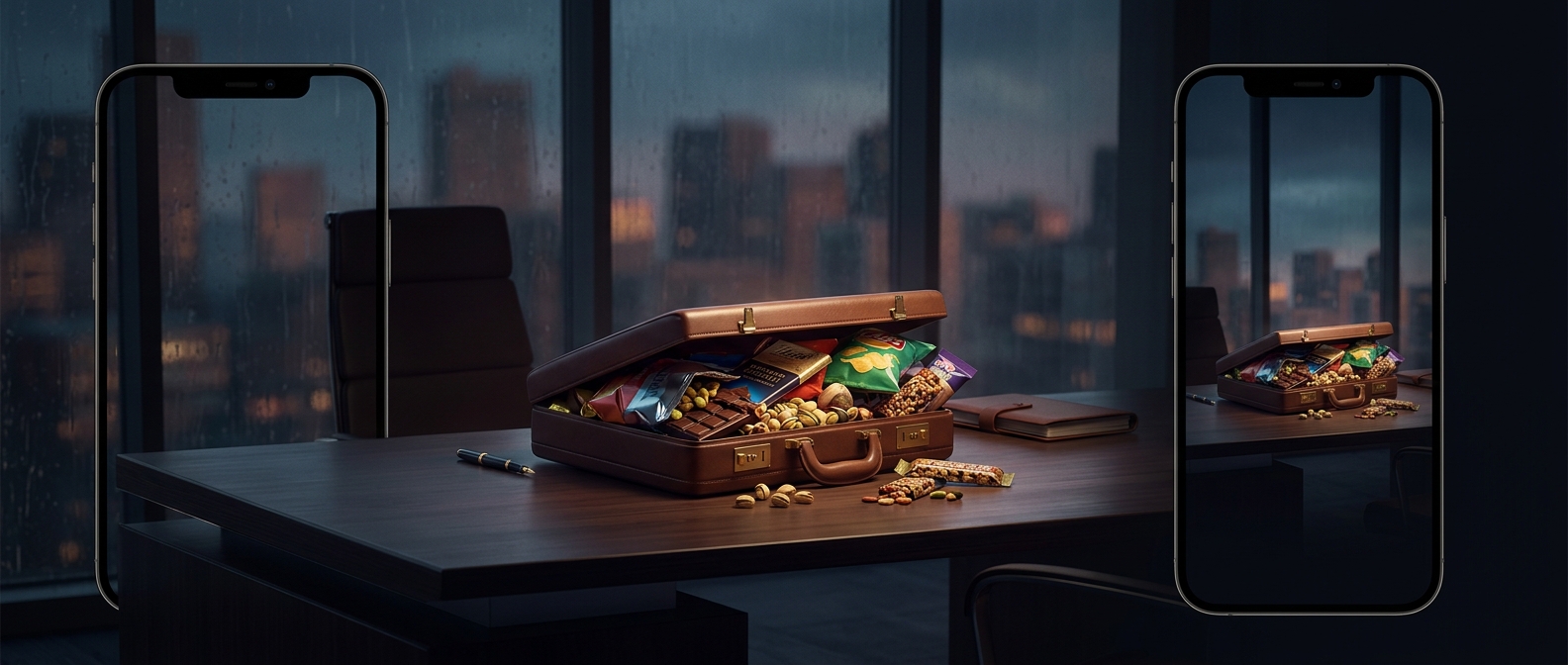
That shift also makes the contents more personal. A snack can bridge the gap between meetings or cover a delayed meal; it is useful precisely because a mobile office does not always come with a nearby kitchen or predictable break. The crackers are not a new kind of office supply so much as a practical response to work happening away from a fixed desk.
A different kind of cargo
The modern work bag still carries work, but much of that work is no longer visible from the outside. A thinner load can contain more information than a paper-filled case ever could, while its physical contents reflect the demands of staying connected and comfortable on the move. The surprising measure of the change is that a bag can feel less like a filing cabinet and more like a small, portable workday.