The ship’s flag is a legal choice
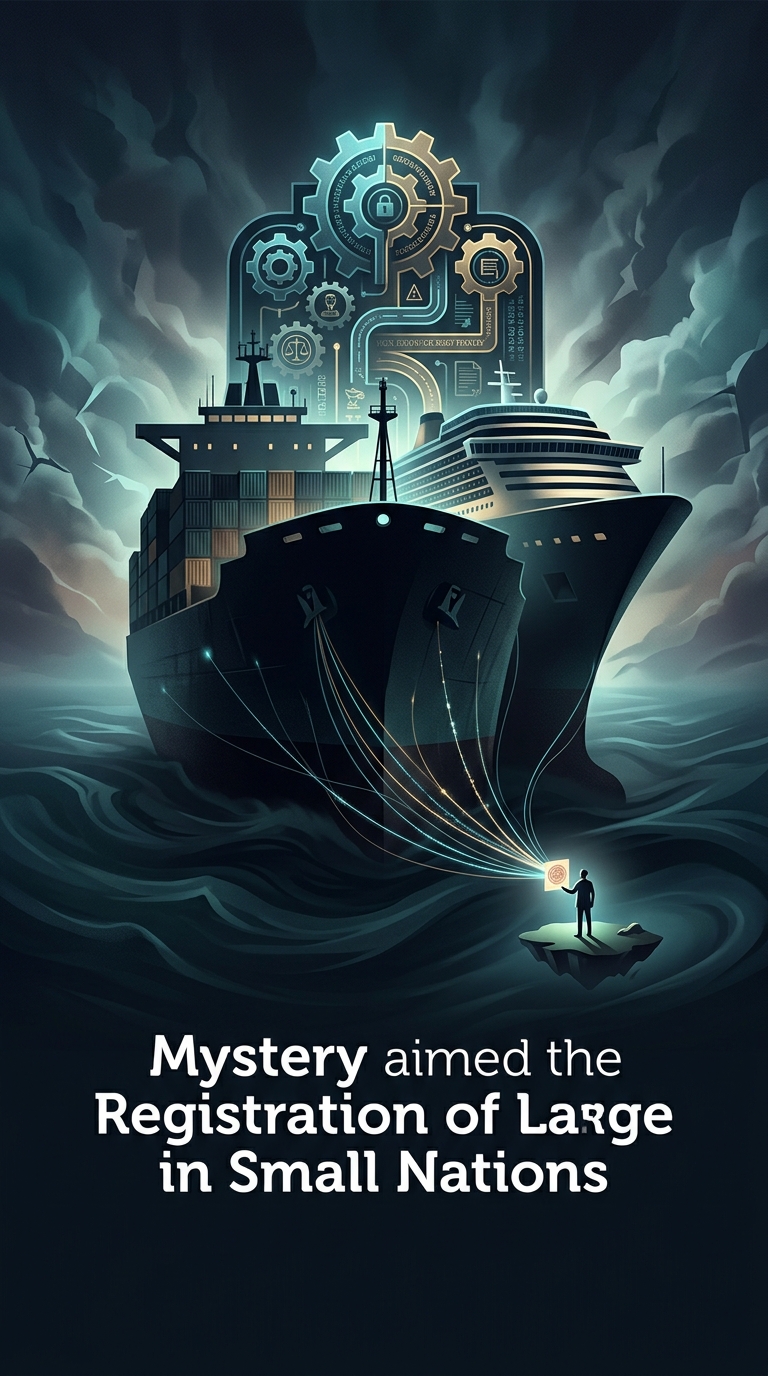
A vessel’s flag identifies the country where it is registered. That country—called the flag state—has legal responsibilities for the ship, including overseeing safety, inspections, and compliance with international maritime rules. But the flag need not match the owner’s home country, the shipbuilder’s country, or the places the vessel visits.
Countries such as Panama offer what are known as open registries: they let foreign companies register ships without requiring the owner to be a local resident. That makes it possible for a ship-owning company based in one country to register a vessel in another, often through a specialized corporate structure.
Why owners choose an open registry
Registration affects a ship’s operating costs and administration. A registry may offer lower fees or taxes, familiar procedures, and rules for hiring crews from many countries. For companies running expensive vessels across international routes, those differences can add up. Registering abroad can also keep the ship’s legal identity separate from the owner’s national identity—a useful arrangement for international businesses, though it can make ownership harder to trace.
The arrangement is sometimes called a flag of convenience. The phrase reflects the owner’s practical reason for choosing the flag; it does not mean the ship is exempt from maritime law. The flag state still has duties, and international conventions set shared standards for matters such as safety and pollution. Port authorities can also inspect visiting foreign ships and act against serious deficiencies.
The tradeoff behind the flag
The system lets shipping companies choose among registries, creating competition for their business. That can make registration efficient and flexible, but oversight depends partly on how diligently each registry carries out its responsibilities. A ship’s flag, then, is more than decoration: it determines which government is chiefly responsible for supervising the vessel, even when that government is thousands of miles from the ship’s owner or crew.