Why the Belt Crosses the Body
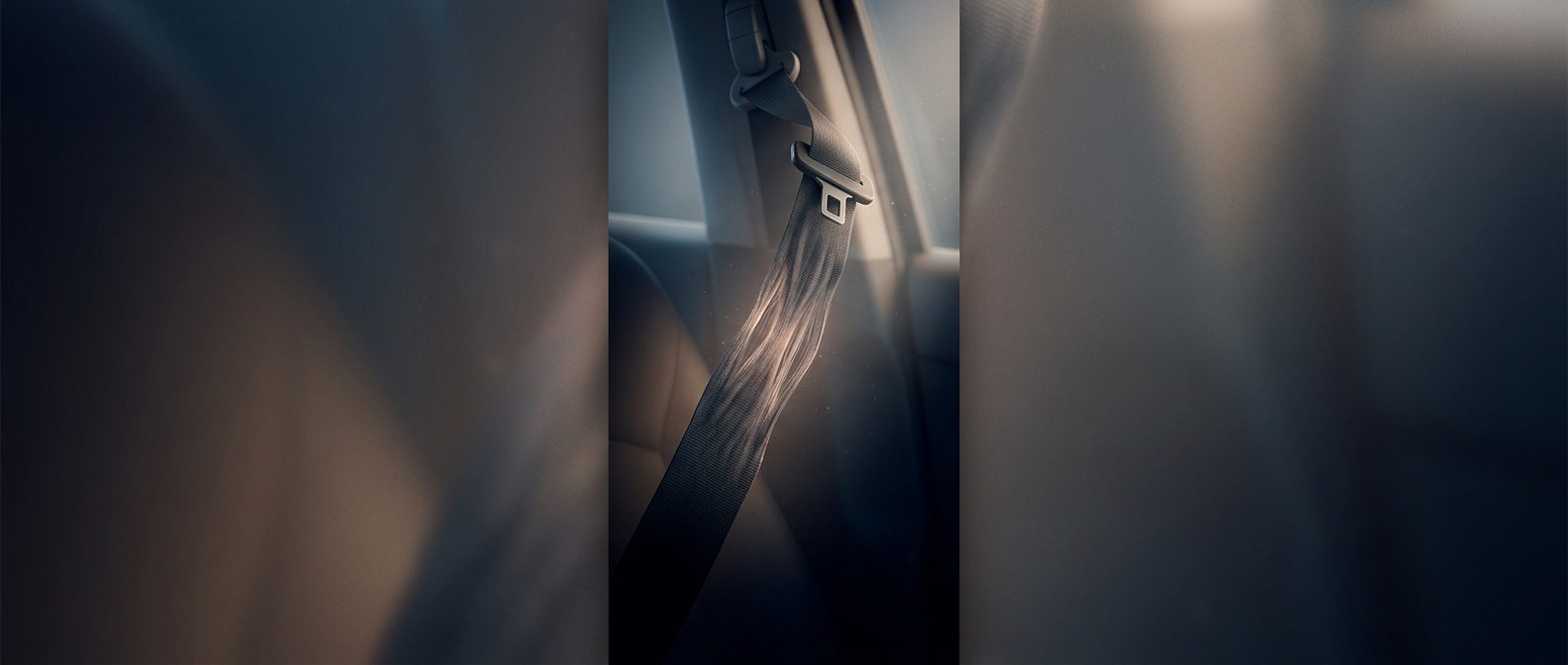
A crash can stop a car almost instantly, but the person inside keeps moving. Without a restraint, the body can strike the steering wheel, dashboard, or windshield. The three-point belt interrupts that motion by anchoring the torso and pelvis to the car’s structure.
Its two sections do different jobs. The lap belt lies low across the hips, where the pelvis can withstand substantial force. The diagonal shoulder strap restrains the chest and limits the upper body’s forward movement. Together, they spread the load across these sturdier areas rather than concentrating it on the abdomen or letting the passenger fold forward.
A Practical Design for Everyday Cars
Earlier restraints often secured only the lap or used separate straps that were cumbersome to fasten. Bohlin’s key design choice was to join the lap and shoulder sections at a buckle beside the hip. One fastening movement could then secure both parts of the body, making the restraint more practical for ordinary drivers and passengers to use.
That usability mattered: a belt can protect someone only if it is worn and positioned correctly. The three-point arrangement also had to work across different bodies and seats, not just in a single test setup. Its simple, familiar motion helped make it suitable for widespread use in passenger cars.
Why Sharing the Design Mattered
Volvo made the design available to other manufacturers, allowing it to spread beyond the company’s own vehicles. That decision helped turn a particular engineering solution into a broadly adopted safety feature. The belt’s most consequential detail is also its simplest: one buckle connects a restraint across the hips and chest, so the car can slow the passenger’s body more safely along with it.