Why freight is designed around the container
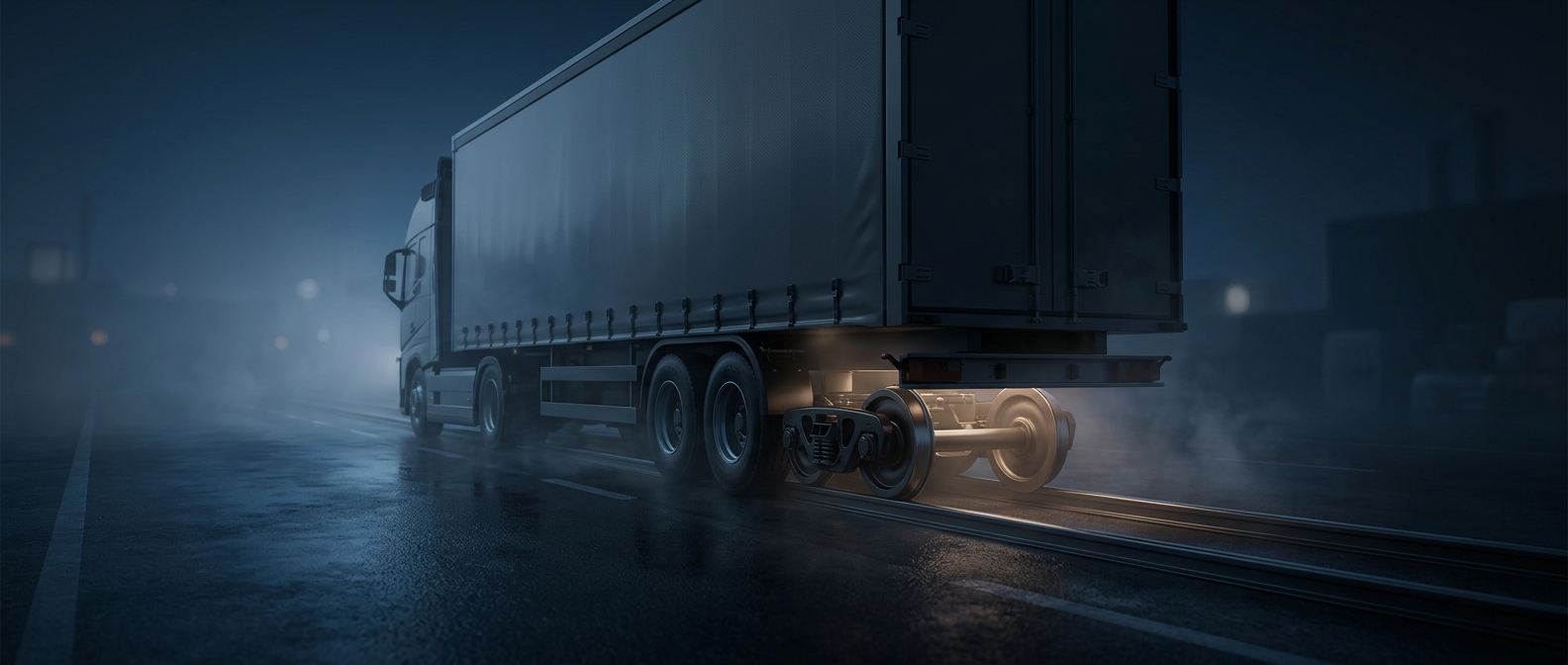
A standard container is more than a convenient package: it is a unit of compatibility. Ships, port cranes, railcars, and truck trailers can all be built to handle the same rigid box. That lets cargo move between modes as a single load, rather than requiring workers to unload and sort individual goods at every transfer.
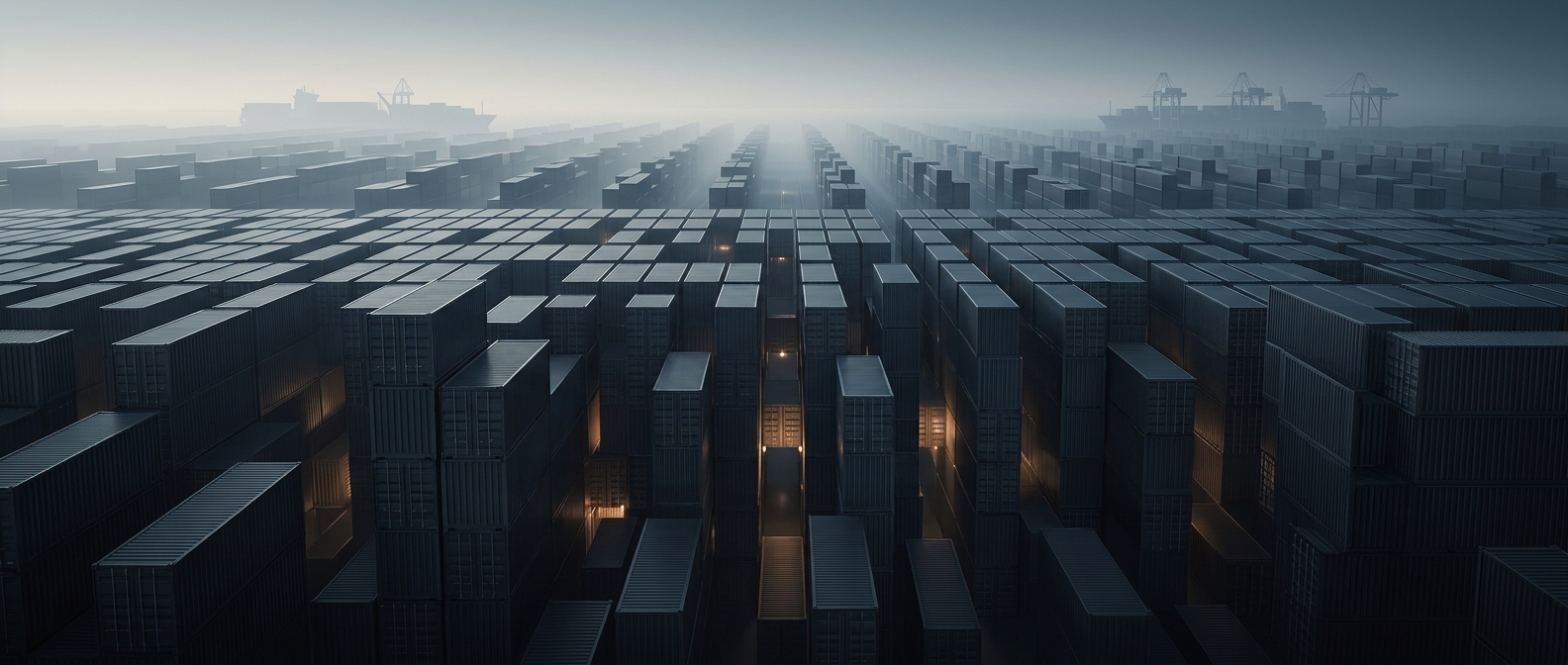
The payoff is a faster handoff. A crane can lift a container from a ship onto a waiting railcar; later, a truck can carry it to a warehouse or distribution center. The contents stay inside while the vehicle changes. Less handling means fewer opportunities for damage or theft, and ports can move cargo more predictably.
A network built to fit
Once businesses can rely on compatible boxes, they can plan routes across several kinds of transport. Rail is often useful for long inland journeys, while trucks provide flexible connections to places without direct rail access. Ports, terminals, and freight operators invest in equipment and facilities that can move the same containers, making the system more useful as more participants adopt it.
That compatibility also shapes what can travel efficiently. A shipment must fit the container’s dimensions and weight limits, and the route needs equipment and space capable of handling it. Oversized cargo, unusual shapes, or goods that need specialized conditions may require other arrangements. Even an ordinary container can be delayed if a suitable truck, rail connection, or terminal slot is unavailable.
The result is a powerful coordination system, not a box that literally controls every shipment. Standardization makes long, multi-stage journeys easier to organize—and helps explain why a container’s dimensions matter far beyond the dock where it first leaves a ship.