A Rider Is Still Operating in Traffic
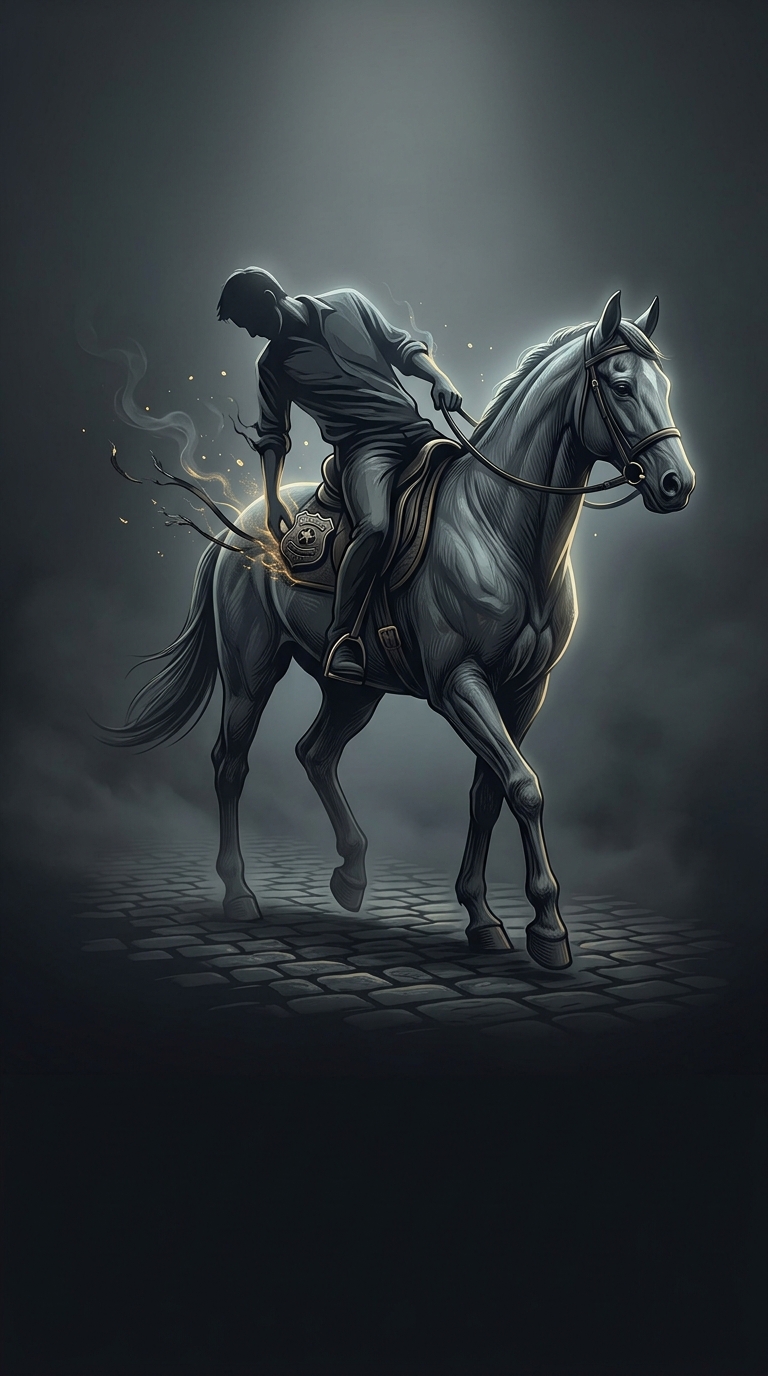
A horse may supply its own power, but riding it through a road is still a traffic task. The rider must choose a safe path, judge gaps between cars, respond to signals and hazards, and keep the animal under control. Alcohol can impair attention, balance, reaction time, and judgment—the abilities that make those decisions possible.
That is why some laws can treat an intoxicated person riding a horse as operating a vehicle while impaired. The key legal question is not whether the vehicle has an engine; it is whether the law’s definition of a vehicle and its impaired-operation rules cover the situation. Those definitions differ by jurisdiction, so the charge and its name are not the same everywhere.
Control Is the Safety Issue
A horse is not a passive substitute for a car. It can startle, veer, or react to traffic, and the rider must guide it while anticipating those responses. An impaired rider may be slower to notice danger or less able to keep the animal out of a vehicle’s path. A horse can also create a hazard for drivers who have little time or space to react.
Where a particular impaired-driving law does not apply, other rules—such as those addressing dangerous conduct or public intoxication—may still be relevant, depending on local law and circumstances. The practical point is simple: being on an animal does not remove the rider’s responsibility for managing a moving presence on a public road.