Why a Neat Board Can Feel Like a Win
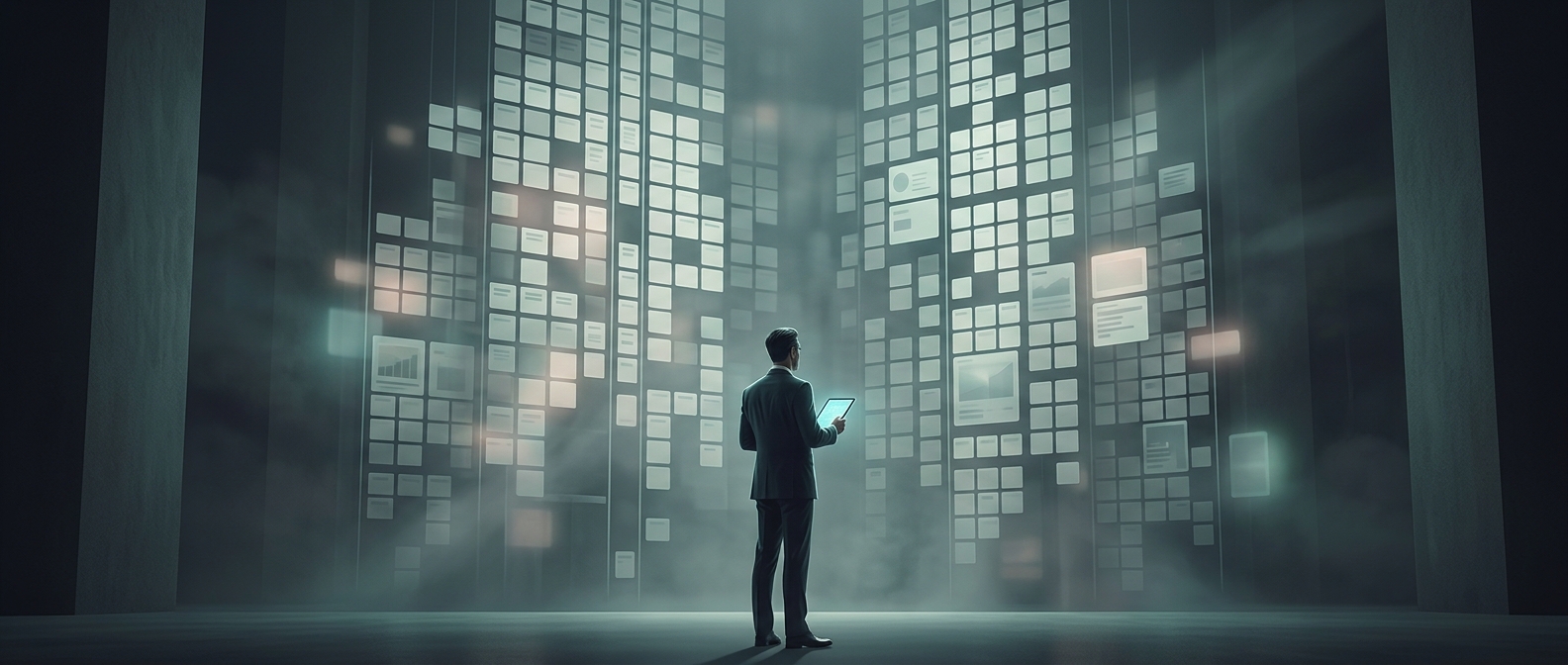
A task board turns invisible work into visible objects: a card can be named, sorted, and moved from “to do” to “in progress.” Those actions produce an immediate sign of change. The harder part—writing the report, fixing the bug, or making the call—may take much longer and offer no equally clear sign of progress until a substantial chunk is finished.
That difference can make organizing feel rewarding. Each small adjustment gives the mind a quick sense of control, while the underlying task still demands sustained attention, decisions, and effort. The board is useful precisely because it makes work easier to see; it can also make managing the representation of work feel like doing the work itself.
Make the Board Point Back to the Work
A practical safeguard is to connect every planning move to an action that changes the task, not just its card. Instead of leaving a vague item such as “prepare presentation” in progress, define a next step: draft the opening slide, check the figures, or ask a colleague for missing information. Then reserve time to do that step before reorganizing the board again.
The distinction matters because a well-maintained system is a tool, not evidence that the project is advancing. A card moved after a concrete deliverable is finished records progress; a card moved because the board looks better records a change to the plan.