How a per-brick tax changed the shape of walls
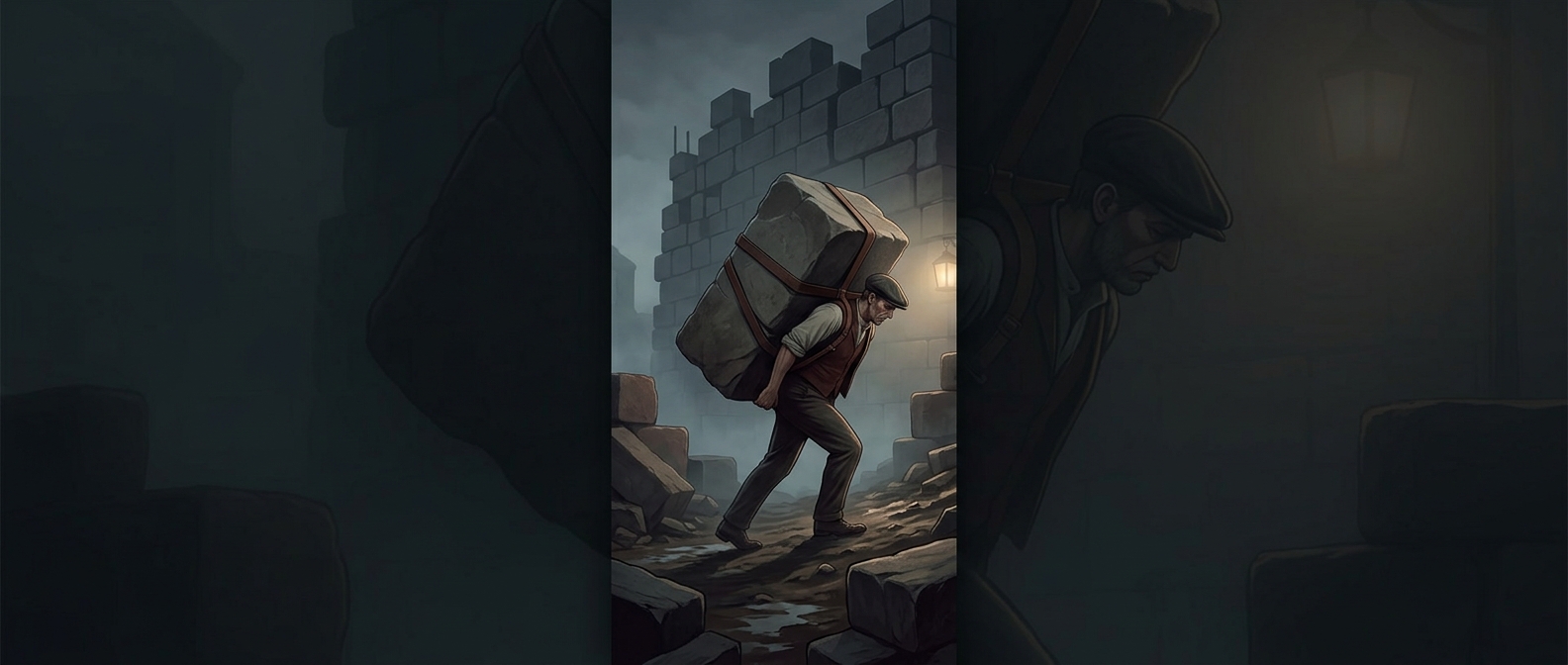
When a tax is charged for each item, the number of items matters as much as the amount of material used. A builder could therefore reduce the tax on a given stretch of wall by using fewer, larger bricks rather than many smaller ones. The wall still needed enough masonry to do its job; the saving came from changing how that material was divided into taxable units.
A tax rule became a building constraint
The incentive was simple, but making bricks larger was not cost-free. They had to remain practical to produce, move, and lay. Within those limits, however, enlarging each brick could lower the count—and, with it, the bill. The tax thus influenced decisions normally shaped by construction needs and local building habits.
Once builders adopted the larger units, the choice became visible in the finished masonry. A policy aimed at collecting revenue had altered the proportions of a basic building material, leaving a physical trace in the styles of buildings made under that incentive. The wall itself could preserve the logic of the tax: fewer, bigger pieces where each brick had carried a charge.