A die turns powder into a repeatable product
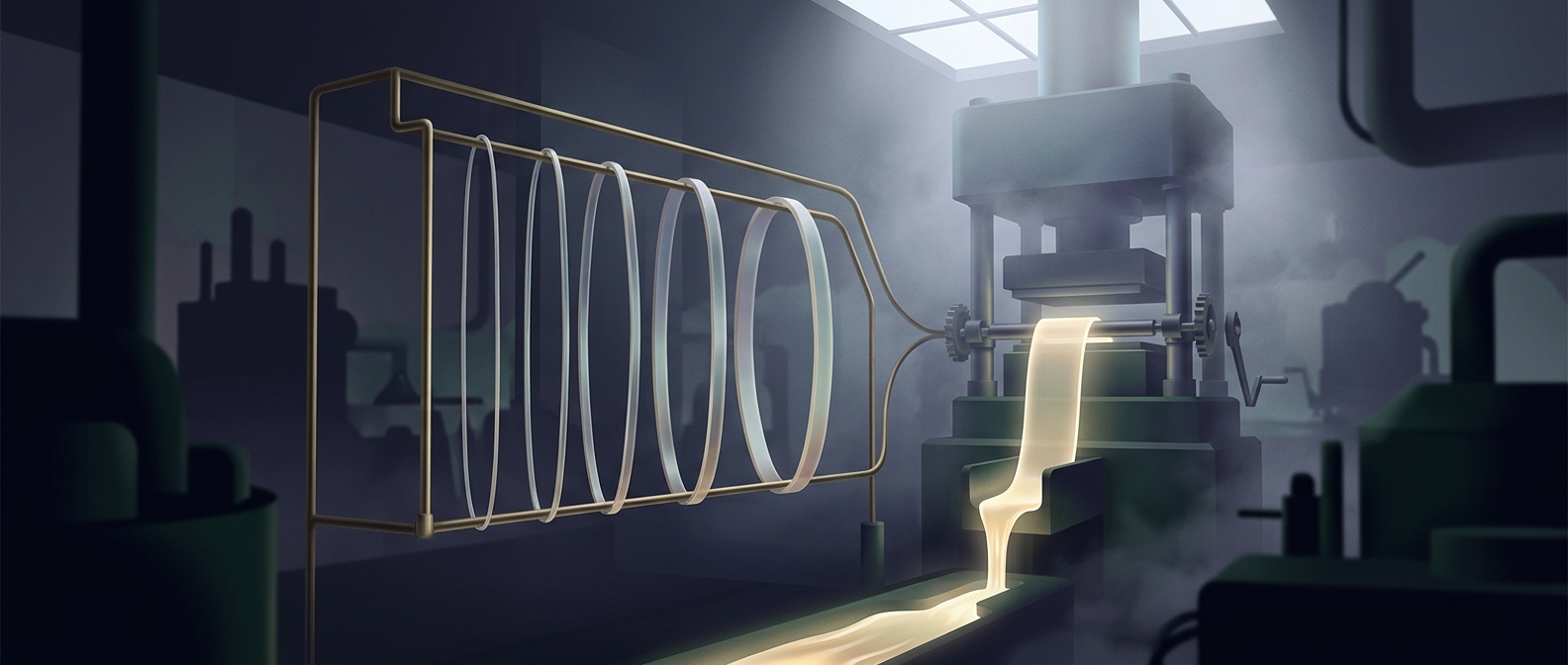
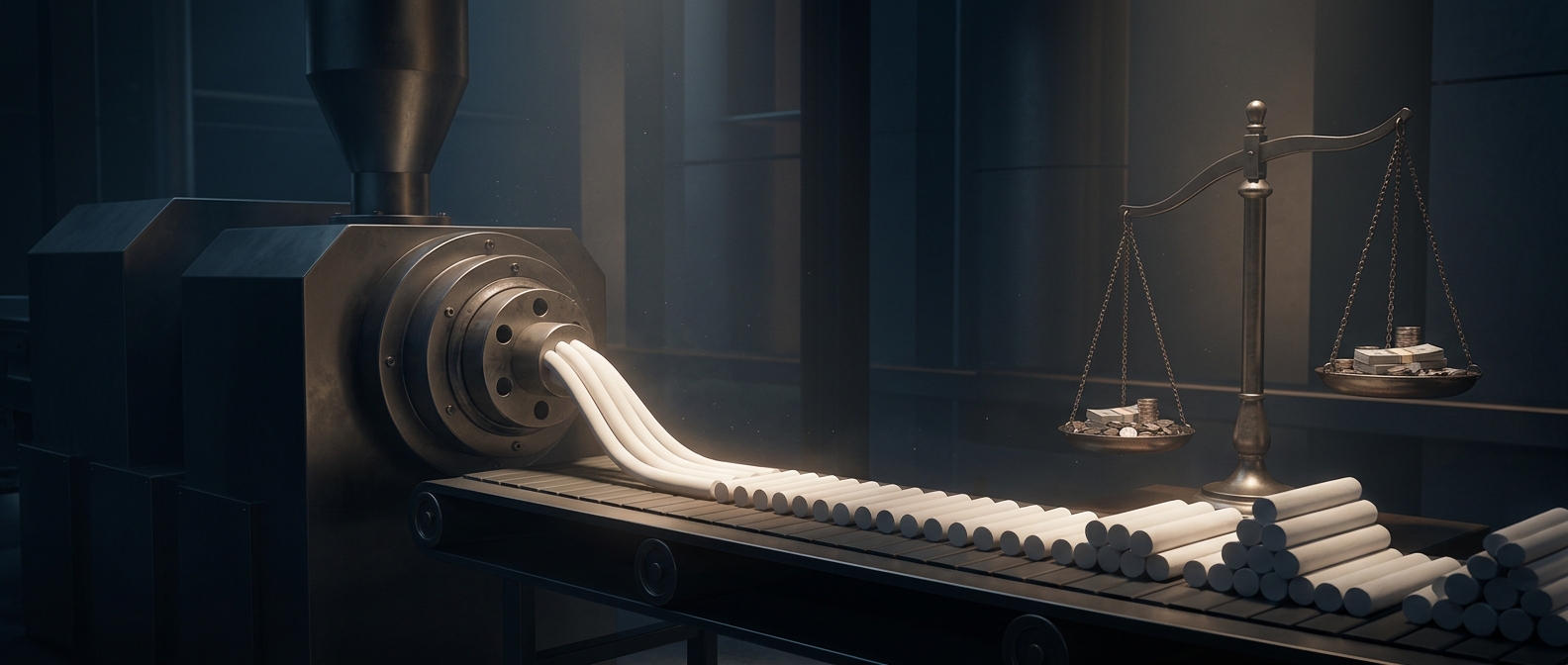
Classroom chalk begins as processed calcium carbonate, which is mixed into a workable material and pushed through a shaped opening called a die. The die fixes the chalk’s diameter; the emerging strand can then be cut into uniform lengths. That machine-made cylinder is more than a familiar shape: it is a production standard that lets a factory make many sticks without shaping each one by hand.
Uniformity changes the cost per stick
Once the die and production line are set up, the same dimensions can be reproduced in batches. Consistent sticks are easier to dry, sort, count, package, and fit into boxes. Those steps matter to pricing because labor, machine time, material losses, and packaging all contribute to the cost of a classroom supply. A line that makes predictable pieces can reduce handling and waste compared with a process that produces irregular shapes requiring extra sorting or trimming.
The tradeoff is that the factory must pay for equipment and keep it operating efficiently. Changing the chalk’s dimensions means changing or adjusting the die and may interrupt a run. For a basic, high-volume product, manufacturers therefore have an incentive to stick with standard sizes rather than offer many custom shapes.
Shape is one part of the price
The cylinder does not set the retail price by itself: raw materials, production scale, packaging, shipping, and seller margins also count. But extrusion helps make chalk inexpensive in a practical way. A classroom can be supplied with sticks that are uniform enough to pack and distribute consistently, while the manufacturer spreads the cost of producing them across a large run.