A surplus problem became a sci-fi starting point
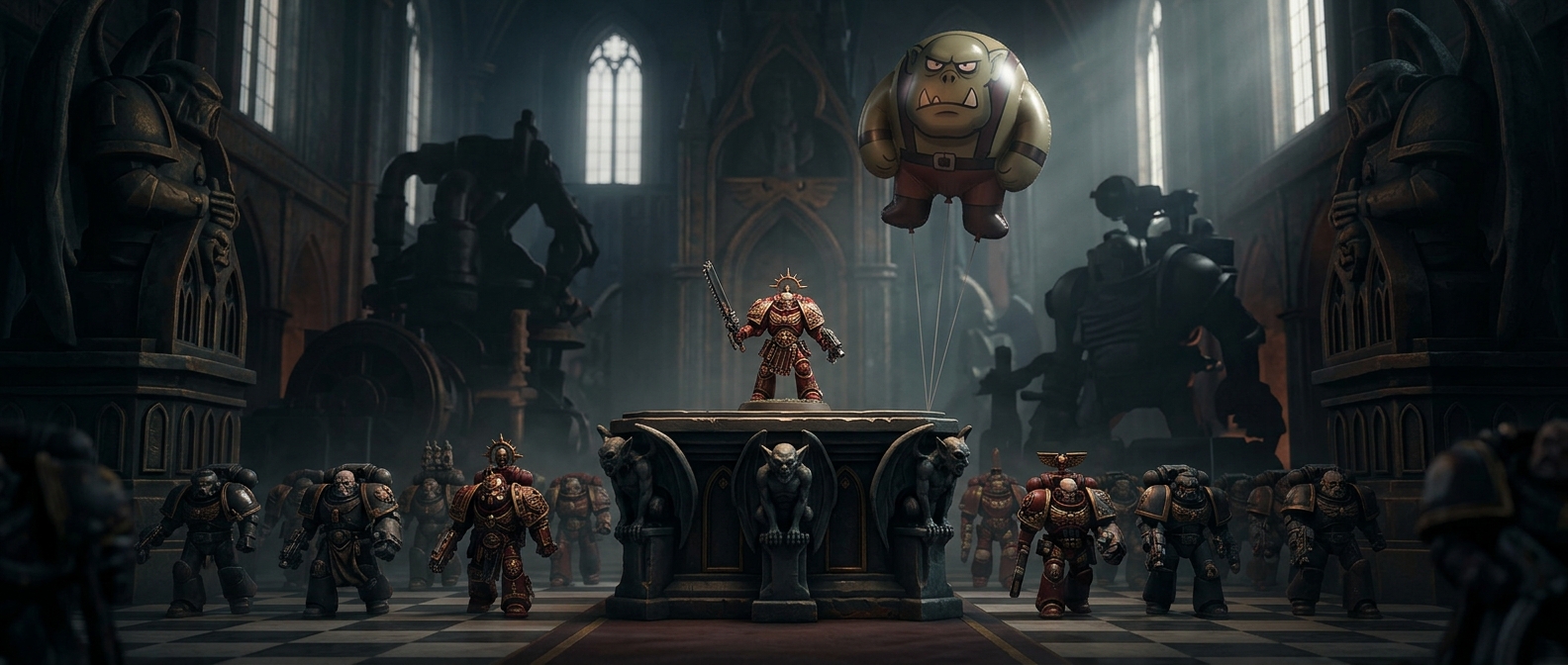
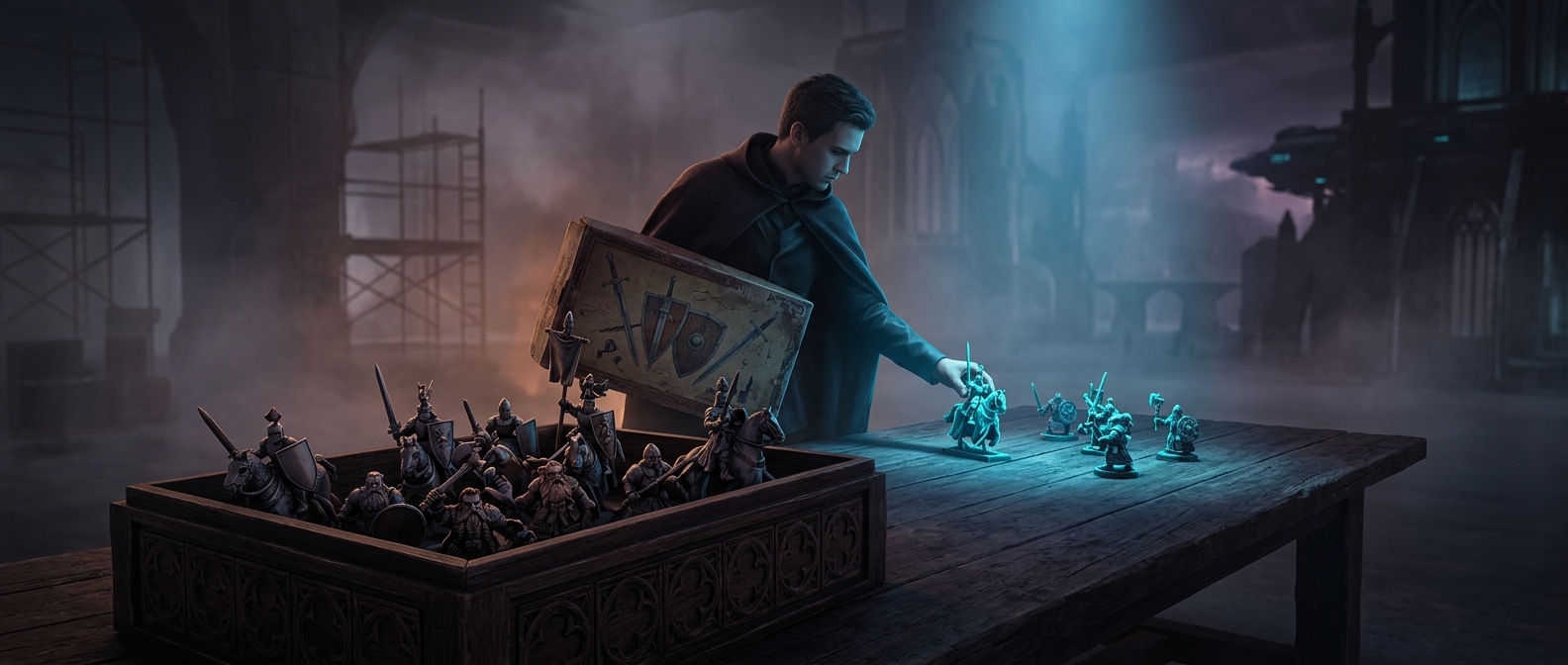
Miniatures are both game pieces and products to sell, so leftover fantasy figures posed a practical problem: how could the company make them useful without asking players to imagine an entirely new range? Recasting the orcs as spacefaring fighters—by adding guns and a science-fiction setting—gave existing stock a fresh role and made it easier to offer customers a playable force.
That shortcut also helped solve a tabletop game’s early hurdle. A new setting needs recognizable figures on the table before its world can feel real. Repurposed orcs provided a physical starting cast, while the space-age premise opened room for factions, vehicles, and conflicts that fantasy miniatures alone could not suggest.
From reused figures to a distinctive faction
The idea was more than a costume change. In Warhammer 40,000, the orcs—spelled Orks in the setting—could be developed as a species whose crude, improvised technology suited their unruly character. That made rough-looking weapons and machines feel like part of the world rather than merely a way to disguise old models.
The larger lesson is that a constraint can shape a game’s identity. Existing miniatures gave the designers something concrete to build around; the science-fiction setting then turned a sales expedient into a recognizable corner of a much larger universe. The first spacefaring Orks could begin as fantasy figures with guns, but players could eventually recognize them as a faction in their own right.