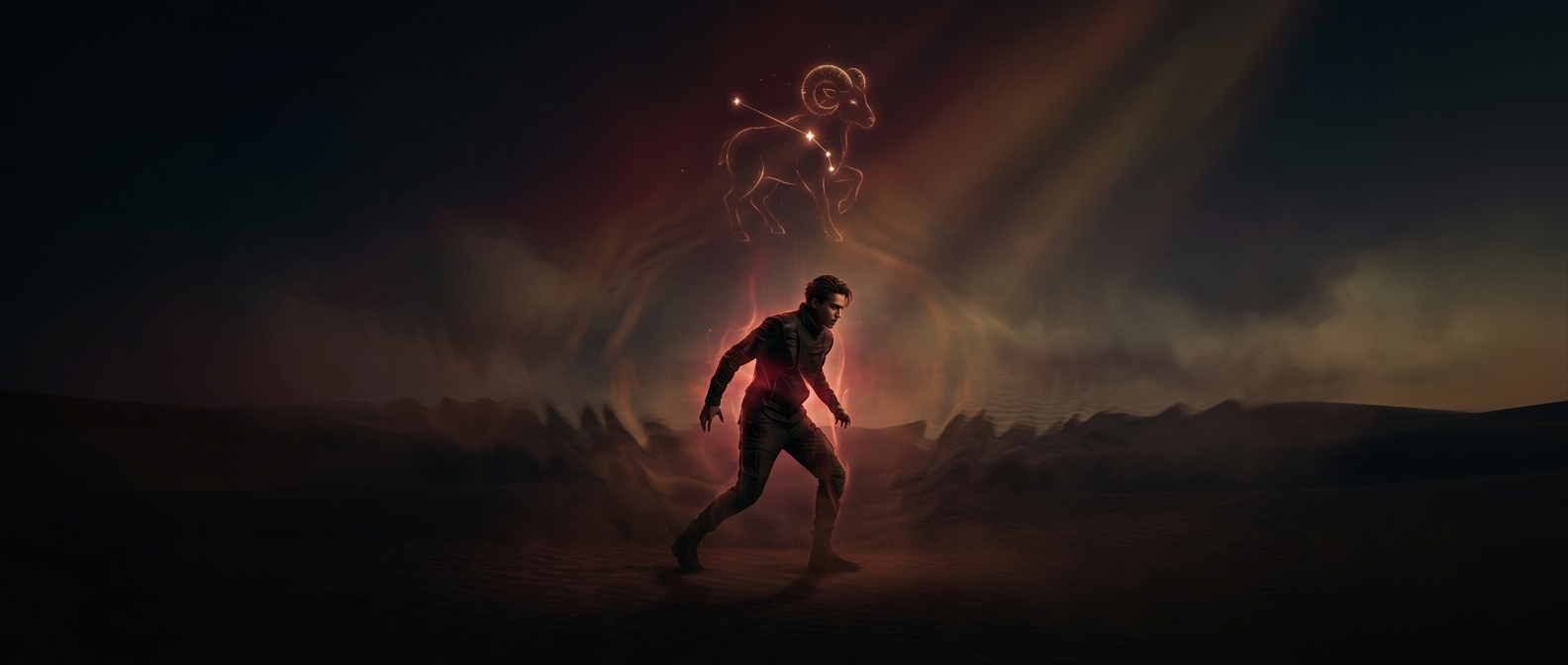
A Birthstone With a Geological Backstory
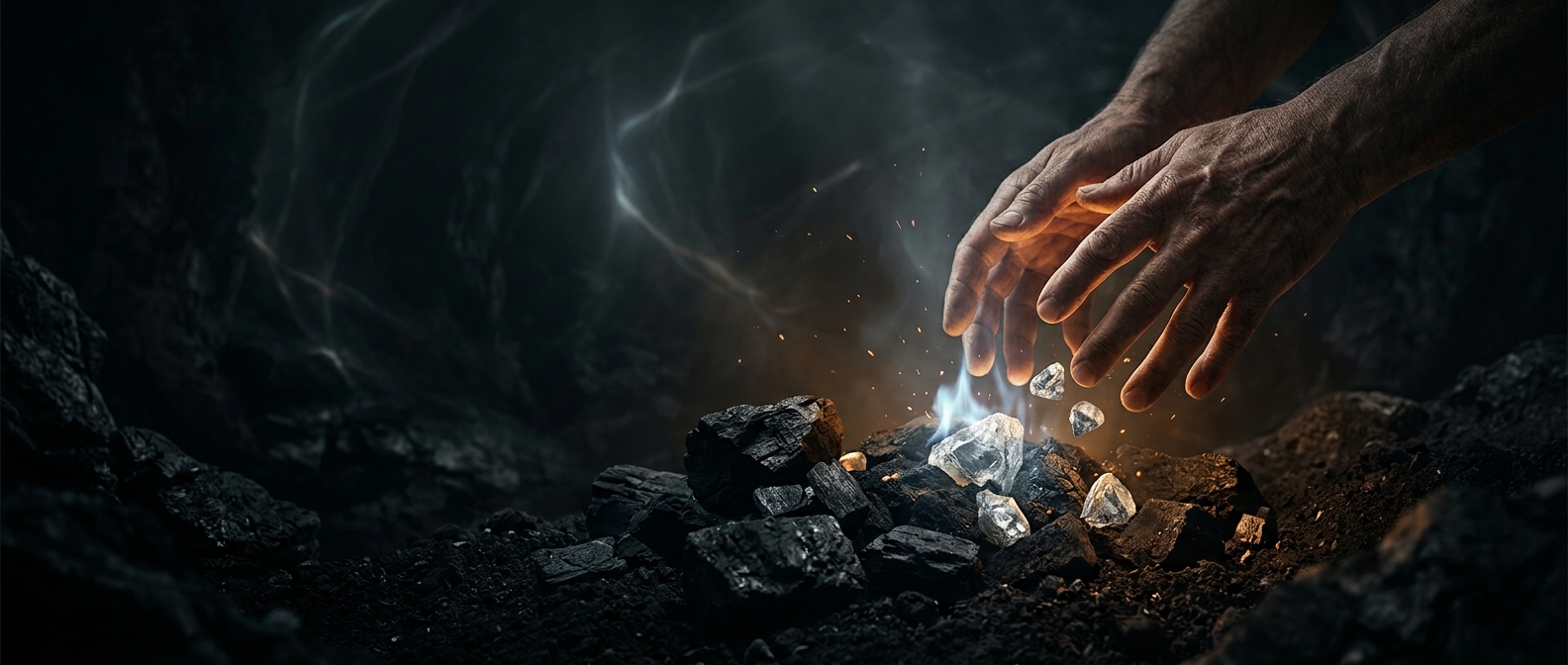
The diamond’s traditional link to Aries is symbolic, but the familiar image of coal squeezed into a gemstone is not how diamonds form. It works as a joke about pressure—and as a useful prompt to look at the very different conditions that create each material.
Two Forms of Carbon, Two Histories
Both coal and diamond contain carbon, but their origins differ. Coal forms from ancient plant matter that accumulated in wetlands and was gradually altered as it became buried. Diamonds form much deeper inside Earth, where carbon-bearing material can crystallize under intense heat and pressure. They are brought closer to the surface by rare volcanic eruptions.
Pressure matters, but it is not a simple matter of squeezing a lump of coal until it turns into a diamond. The carbon must be in the right chemical setting, at the right depth and temperature, for long enough to form diamond crystals. Most coal deposits are far too shallow and chemically unsuitable.
Why the Comparison Sticks
The transformation makes a memorable image: something ordinary becoming precious under pressure. That meaning can fit a birthstone tradition without being a geological claim. For Aries, the diamond’s association is a matter of symbolism; its real formation is a deep-Earth process, not a coal seam’s slow metamorphosis.
So the punchline has a kernel of truth—pressure is part of the story—but the crucial difference is where the carbon begins and the conditions it encounters.