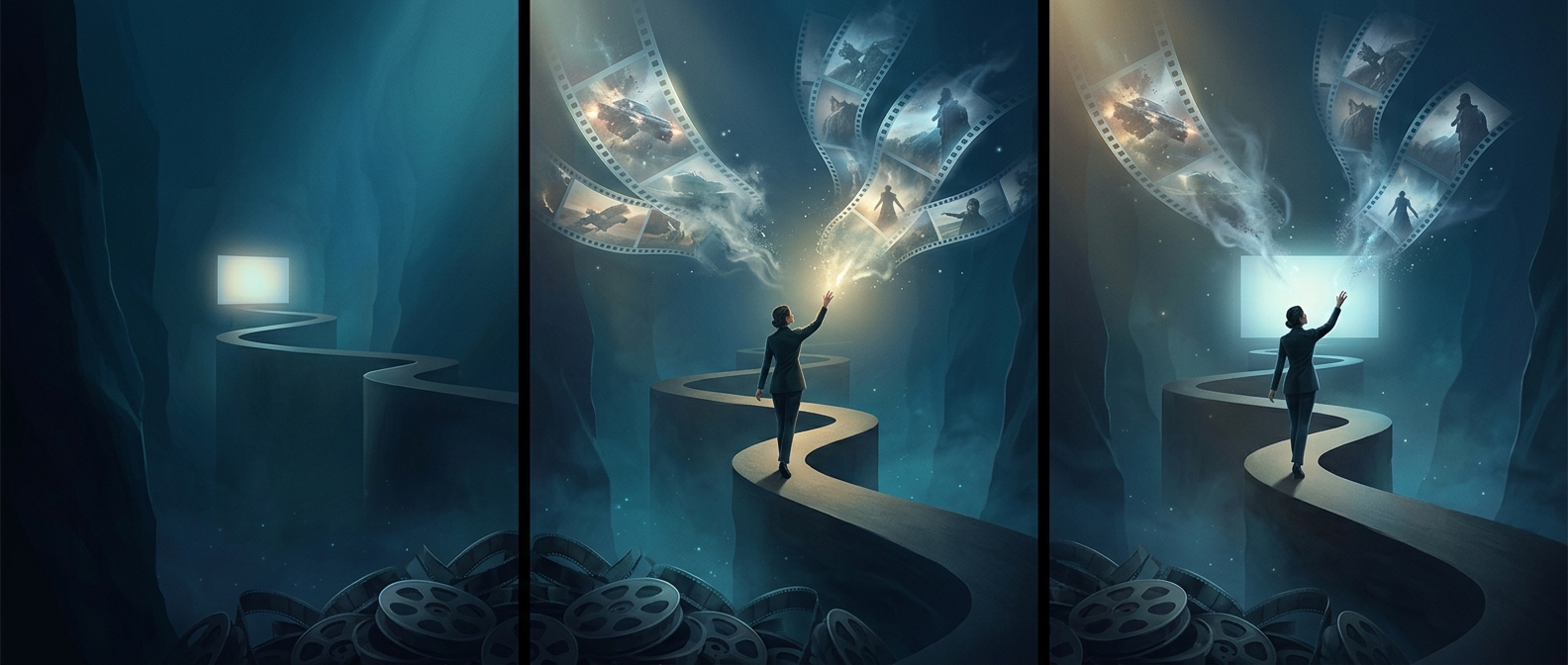
How a celebrity’s idea becomes a finished novel
A celebrity may arrive with a premise, a handful of characters, or a rough sense of where the story should go. Turning that material into a novel is a different job: someone has to build scenes, sustain a plot across hundreds of pages, and make the characters’ choices feel connected. That is where a professional writer can become the book’s principal day-to-day storyteller.
The process often begins with conversations and notes. The writer draws out what the celebrity wants the book to feel like, then shapes those preferences into an outline and draft. As the manuscript develops, the celebrity may react to characters, settings, or story turns, prompting revisions. The writer’s work is not simply typing up an idea; it includes the structural decisions that make the idea readable as a complete narrative.
Making another person’s voice work on the page
A collaborator must balance two goals: produce a coherent novel and keep it aligned with the public figure’s tastes and identity. That can mean adjusting tone, incorporating personal interests, or reworking material that does not feel right to the credited author. It does not mean the finished book is necessarily a transcript of the celebrity’s own words. A novel’s voice is deliberately constructed, and the writer helps maintain it from chapter to chapter.
The cover’s prominent names can obscure how the labor was divided. Credit and public acknowledgment vary from project to project, but a writer may contribute substantially while remaining less visible than the celebrity whose name helps readers recognize the book. The practical consequence is striking: the person audiences associate with the story may have supplied its starting point, while an unseen collaborator supplied much of its architecture and prose.