Why the remote can escape a room’s cleaning routine
A hotel room is cleaned under time pressure, and attention naturally goes to visible mess and familiar surfaces: the bathroom sink, toilet, and bedside table. A remote is small, often tucked beside the bed, and may look clean even when many guests have handled it. Its buttons and narrow seams also make it less straightforward to wipe thoroughly than a broad, flat surface.
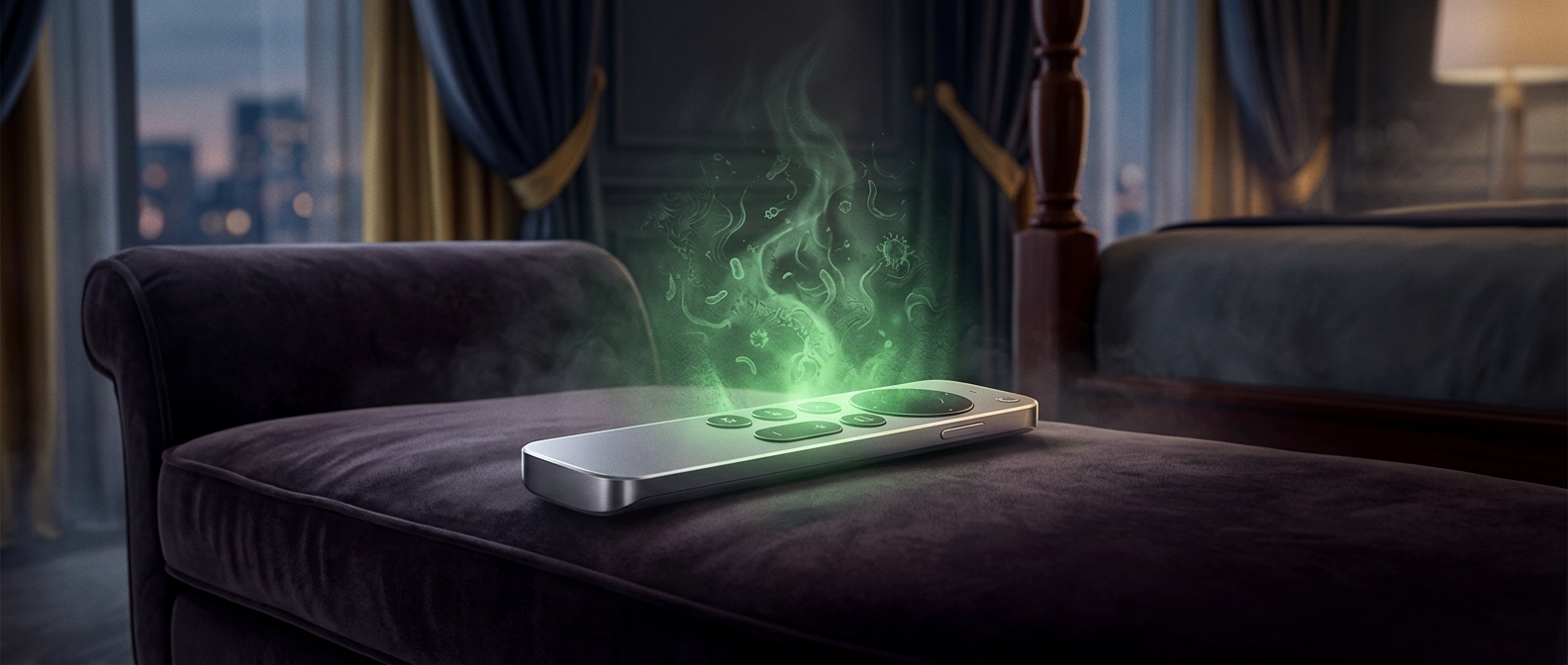
That combination matters because contamination is usually invisible. A guest can leave traces on the remote after touching their face, coughing into a hand, or returning from outside. The next person may pick it up soon after checking in, before anyone notices a problem.
From surface to hand—and possibly beyond
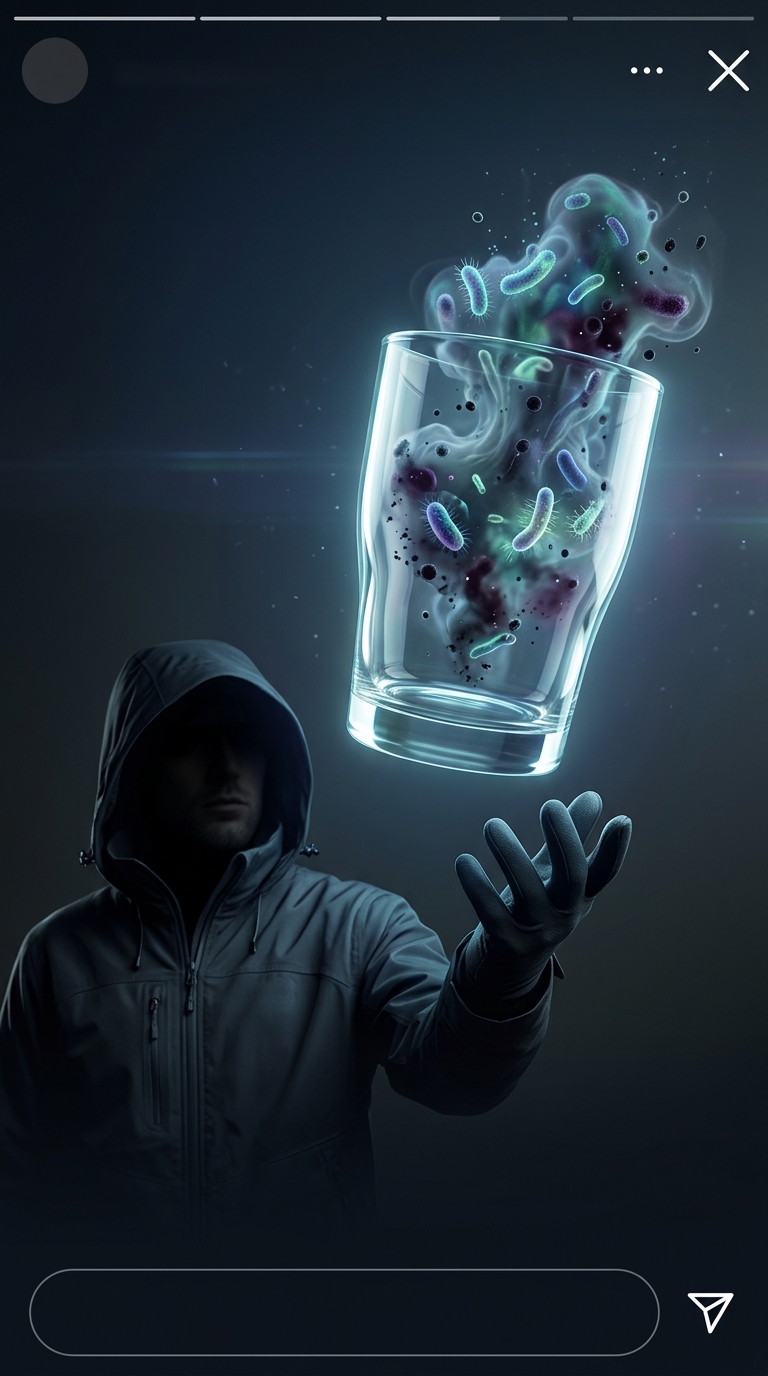
Finding germs on an object does not mean that touching it will make someone sick. For many everyday infections, the important step is transfer: microbes move from the remote to a hand, then reach the eyes, nose, or mouth. The chance of illness depends on the germ, how much is present, and what happens next.
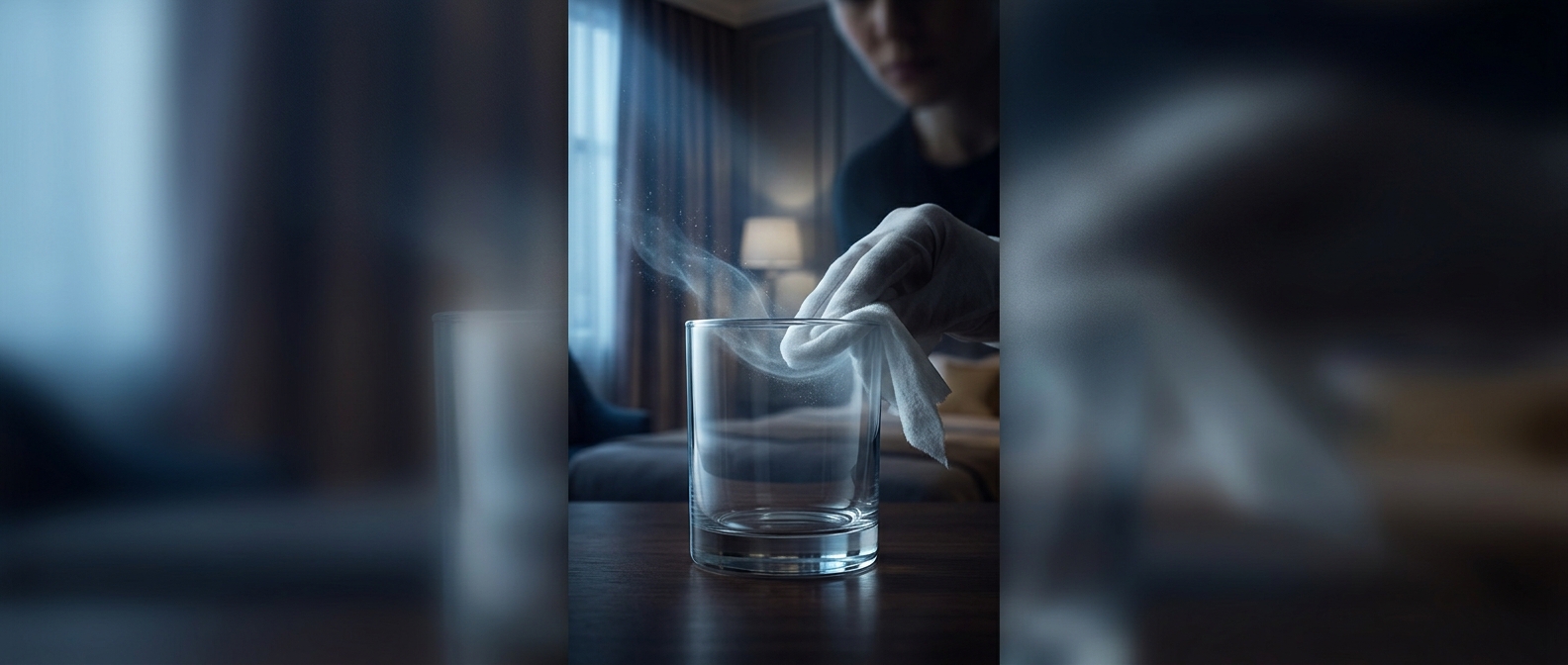
That makes the remote a useful reminder that a surface can be easy to overlook precisely because it looks ordinary. Washing hands after unpacking or before eating helps interrupt the route from a frequently handled object to the face. A quick wipe with an appropriate disinfectant can help too, provided the product is used as directed; wiping once and immediately drying a surface may not give it the contact time its label calls for.
The practical lesson is not that every hotel remote is dangerous. It is that the small object beside the bed can pass through more hands than its appearance suggests—and deserves a place in the mental checklist of high-touch surfaces.