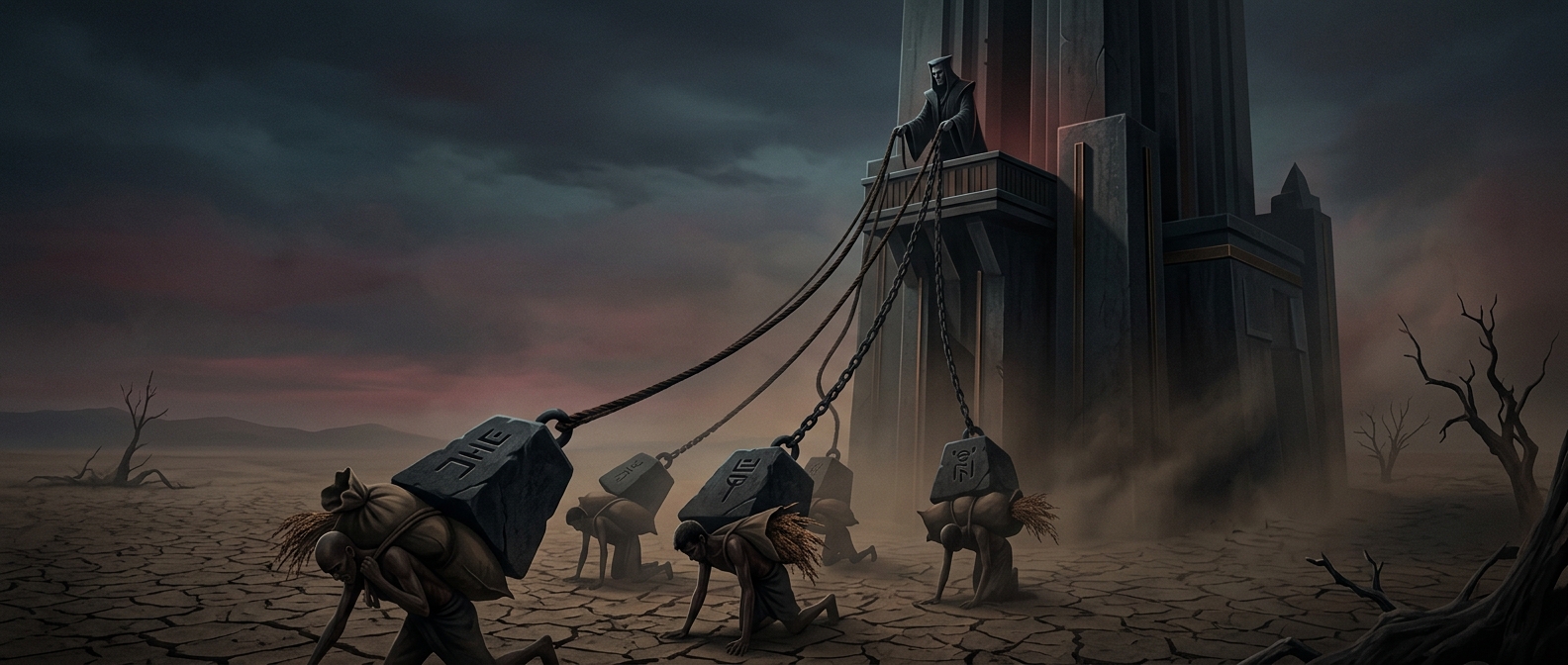
The tax demand outlasted the harvest
When crops failed across Bengal and Bihar in 1770, the East India Company still treated land revenue as an obligation to collect. The company had acquired the right to administer and collect revenue in Bengal in 1765, making it both a governing power and a commercial enterprise with income at stake. Its tax system relied on payments from the land, often gathered through local revenue holders and ultimately borne by cultivators.
A 10% increase during famine made that system especially punishing. Families whose harvest had shrunk or vanished had less grain to eat and less produce or money with which to meet the demand. Tax collection did not create the famine, but it could deepen the crisis by taking resources from people already struggling to survive.
Why collection mattered as much as the rate
Land revenue was a major source of the Company’s income. Maintaining collections helped protect that stream, while reducing demands or distributing relief would have meant accepting a cost. The decision exposed a basic conflict in the Company’s new role: the authority responsible for governing the region was also an enterprise seeking revenue from it.
The consequences were not limited to a line in an account book. When households had to surrender scarce resources, they had less capacity to buy food, recover after the failed harvest, or keep farming. The famine killed an estimated ten million people, though taxation was one part of a larger catastrophe, not its sole cause.
A governing choice with lasting consequences
The episode shows how a tax system can magnify a natural disaster when demands continue despite collapsing production. In Bengal, famine did not suspend the Company’s claim on the land; the higher demand made clear that revenue collection remained a priority even as mass hunger spread.