Your Attention Is Switching, Not Splitting
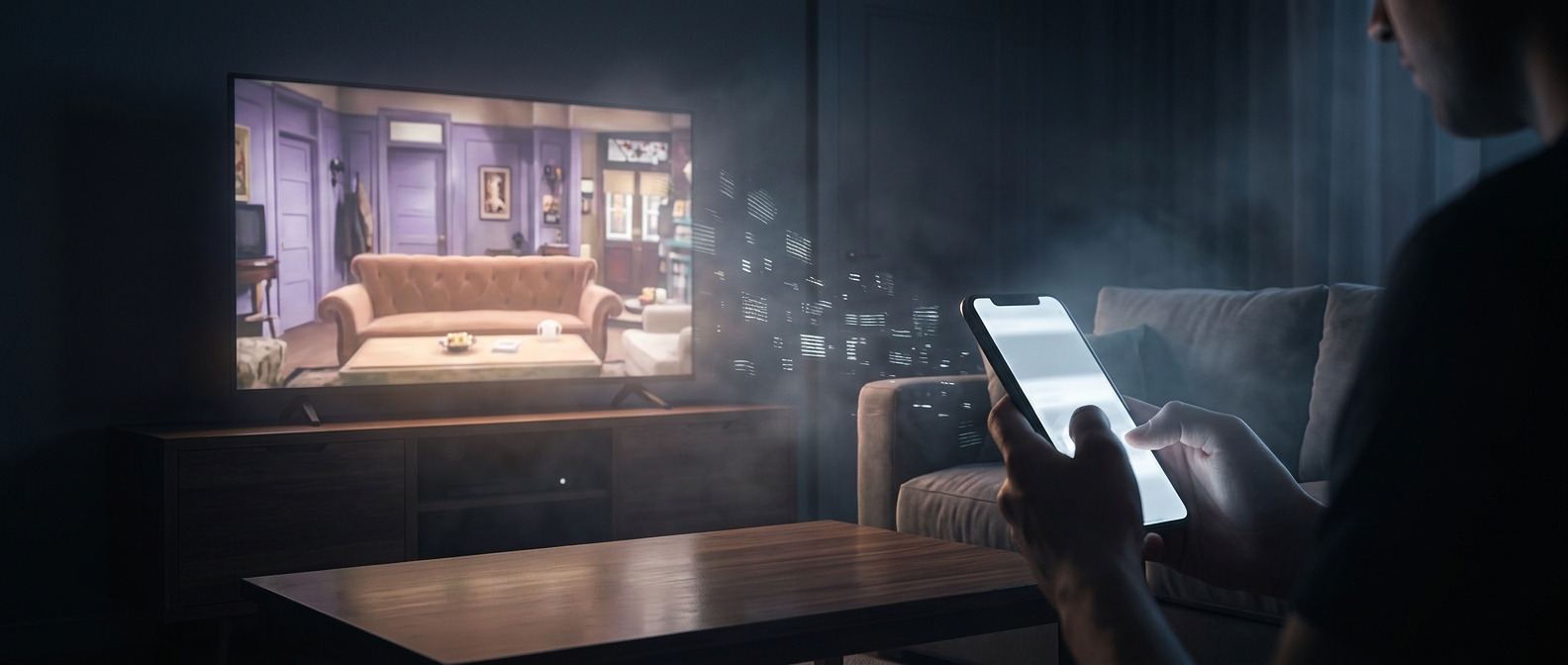
A phone and a television can both be active, but attention usually cannot give both demanding tasks its full focus at once. When you read a message, compare posts, or type a reply, your mind shifts toward the phone. The show keeps playing, but its dialogue and visual clues may receive only partial attention.
That shift has a cost: you have to reorient yourself when you look back. You may recognize the characters and setting yet miss the line that explains why someone changed course. A plot twist often depends on exactly that kind of connective detail, not just on the dramatic moment itself.
Stories Are Built From Links
A complex series asks viewers to keep track of relationships between scenes: who knows what, which earlier choice matters, and how one event leads to another. If a crucial clue arrives while you are reading on your phone, the next scene may seem confusing even though you caught the twist itself.
Background listening works better for material that can survive gaps—familiar episodes, music, or a show whose scenes do not rely heavily on one another. A tightly plotted story is less forgiving because missing a brief exchange can break the chain of explanation.
The Catch-Up Is Part of the Experience
Looking up at a startling reveal can make the missed information especially noticeable: you see the consequence before you have followed the steps that produced it. Rewinding a few minutes, turning on subtitles, or putting the phone aside during a key scene helps restore those links. Otherwise, the show may remain audible, but its plot is no longer fully in view.