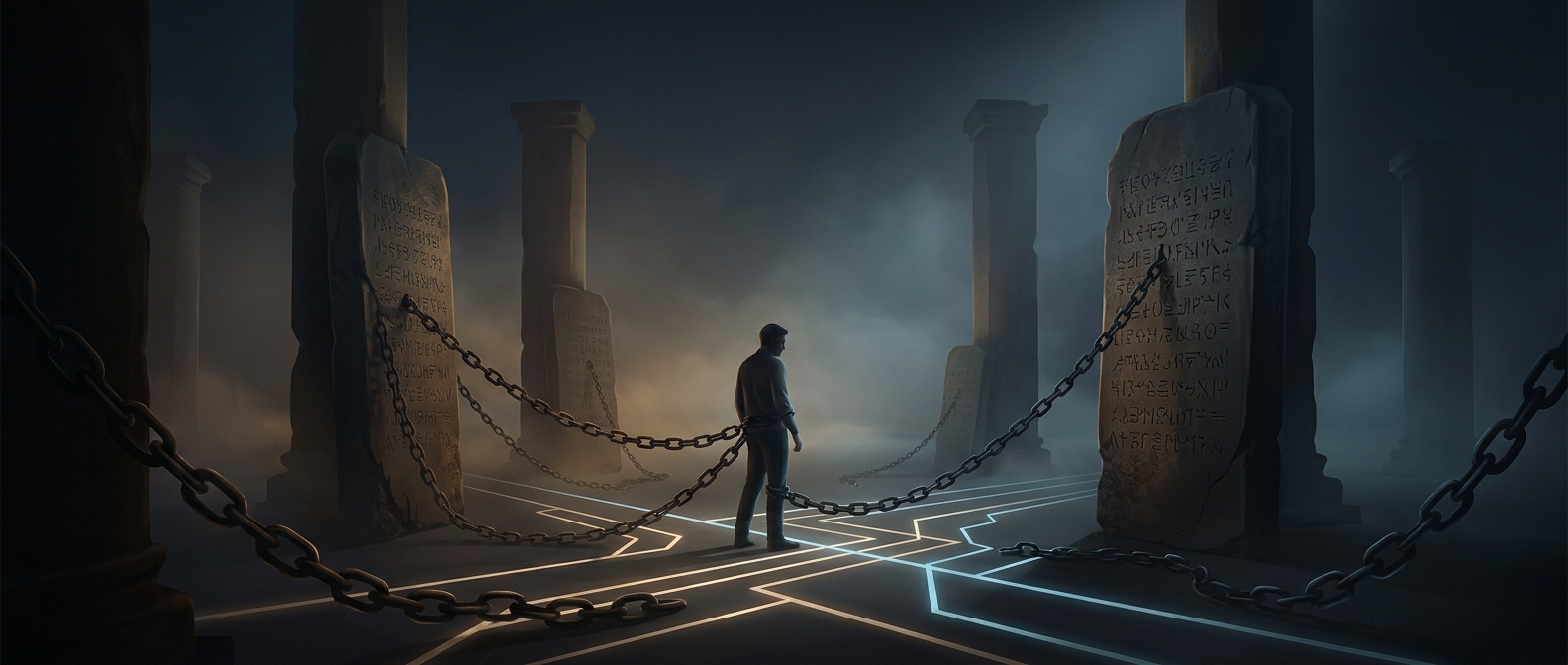
Why the old password wins the race
When you change a password, the old one does not vanish from memory. It remains a well-practiced sequence: each character is linked to the next, and repetition has made the whole pattern quick to produce. The replacement, by contrast, is still unfamiliar. When you reach for the keyboard, both patterns may be available, but the older one is easier to retrieve—and your hands can begin typing it before you consciously check.
This is a form of proactive interference: earlier learning gets in the way of recalling something learned later. It can happen with a new address, a changed route to work, or a colleague’s new name, especially when the old and new information serve the same purpose.
Why knowing the change may not be enough
Memory is not a filing cabinet in which the newest version automatically replaces the old one. Retrieval depends partly on cues: the login screen, the keyboard, and the familiar moment of signing in can all prompt the old sequence. Knowing that the password changed is useful, but that knowledge may not arrive quickly enough to prevent an automatic, well-practiced response.
The competition is strongest when the two versions are similar or when you act on habit. A small difference between passwords can make the old pattern especially tempting: the familiar sequence starts, and attention has to catch the moment when it diverges from the new one.
Giving the replacement a chance
The practical fix is to make the new response easier to retrieve. Pause before typing, deliberately recall the replacement, and use it repeatedly in the same context. Each successful use strengthens the new association between the login cue and the new password. Over time, the replacement becomes more fluent, so the old pattern is less likely to take over.
That first mistaken attempt is not proof that you never learned the change. It shows that memory has to compete at the moment of use—and practice can shift the advantage.