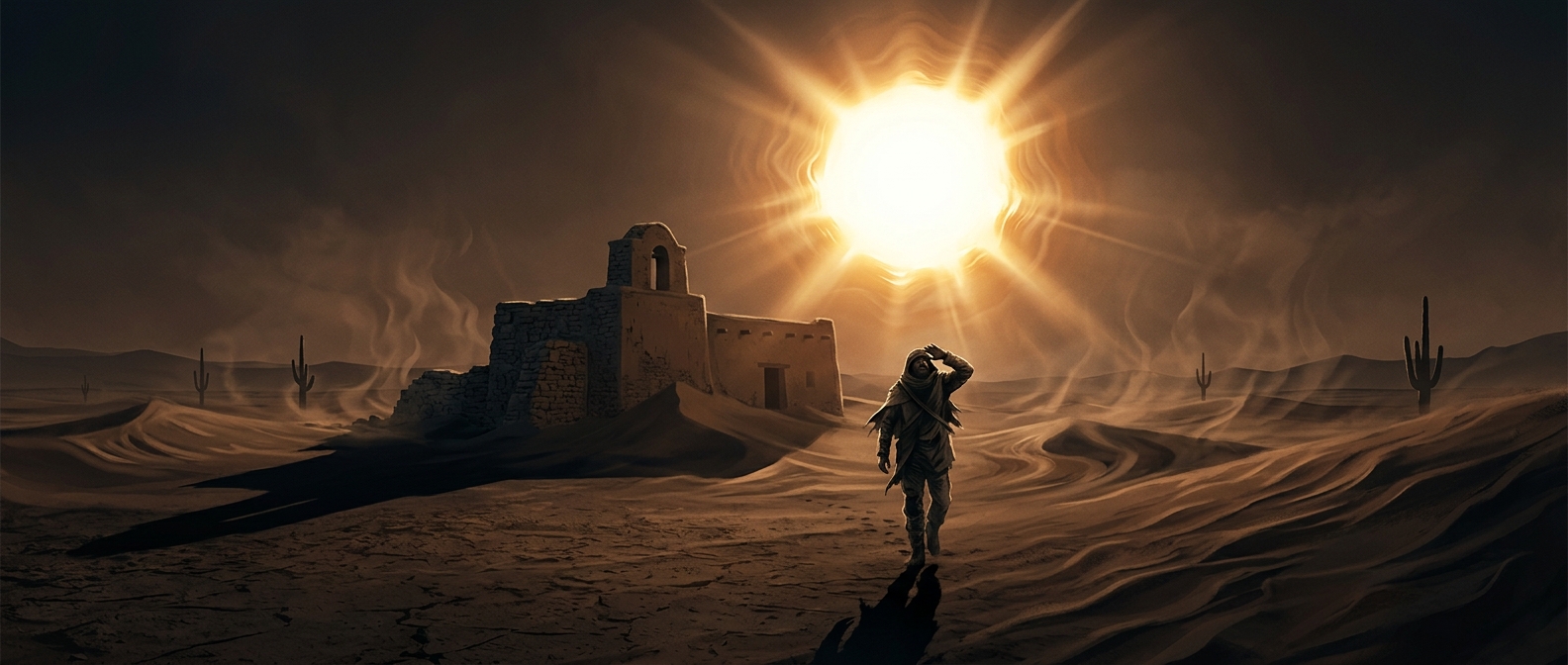
Why Yuma’s skies stay bright
Yuma sits in Arizona’s low desert, where sinking air often discourages clouds from forming. As air descends, it warms and dries, making it harder for water vapor to condense into the droplets that build clouds. The region also receives little rain for much of the year, so stretches of clear weather are common.
That pattern is not a promise of uninterrupted blue sky. Moisture can arrive with seasonal weather systems, and summer monsoon storms can bring clouds and rain. The distinction is between a place’s accumulated hours of sunshine and the weather on any one day.
What the sunshine means on the ground
Bright, dry conditions shape how people experience the landscape: shade and water matter on outdoor excursions, while the intense sun can make even a cool-season afternoon feel warm. Yuma’s agricultural fields offer another contrast to the arid surroundings. They depend on irrigation, including water conveyed from the Colorado River, rather than on frequent local rainfall.
So the remarkable feature is not simply that Yuma looks sunny. It is that a reliable supply of direct sun coexists with a desert environment where growing crops requires bringing water to the fields.