Why the Cello Is Usually Played Seated
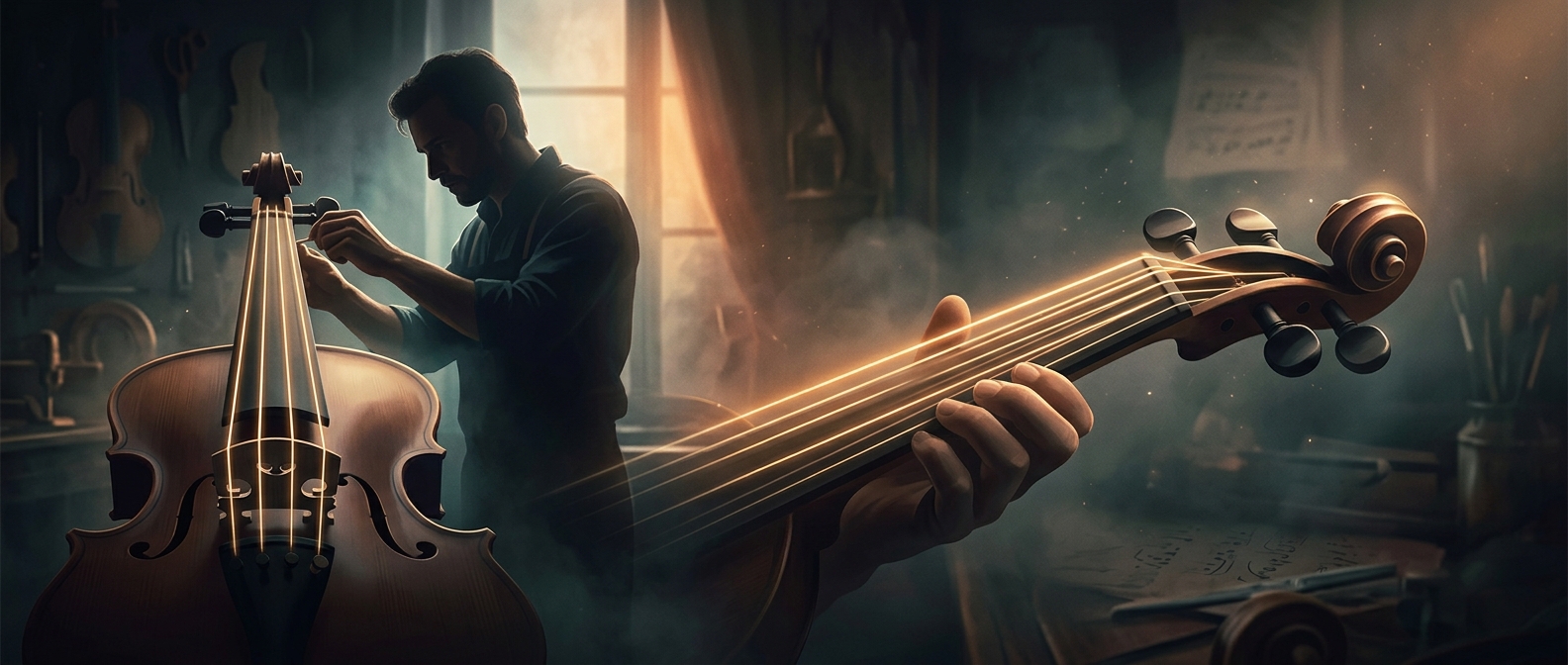
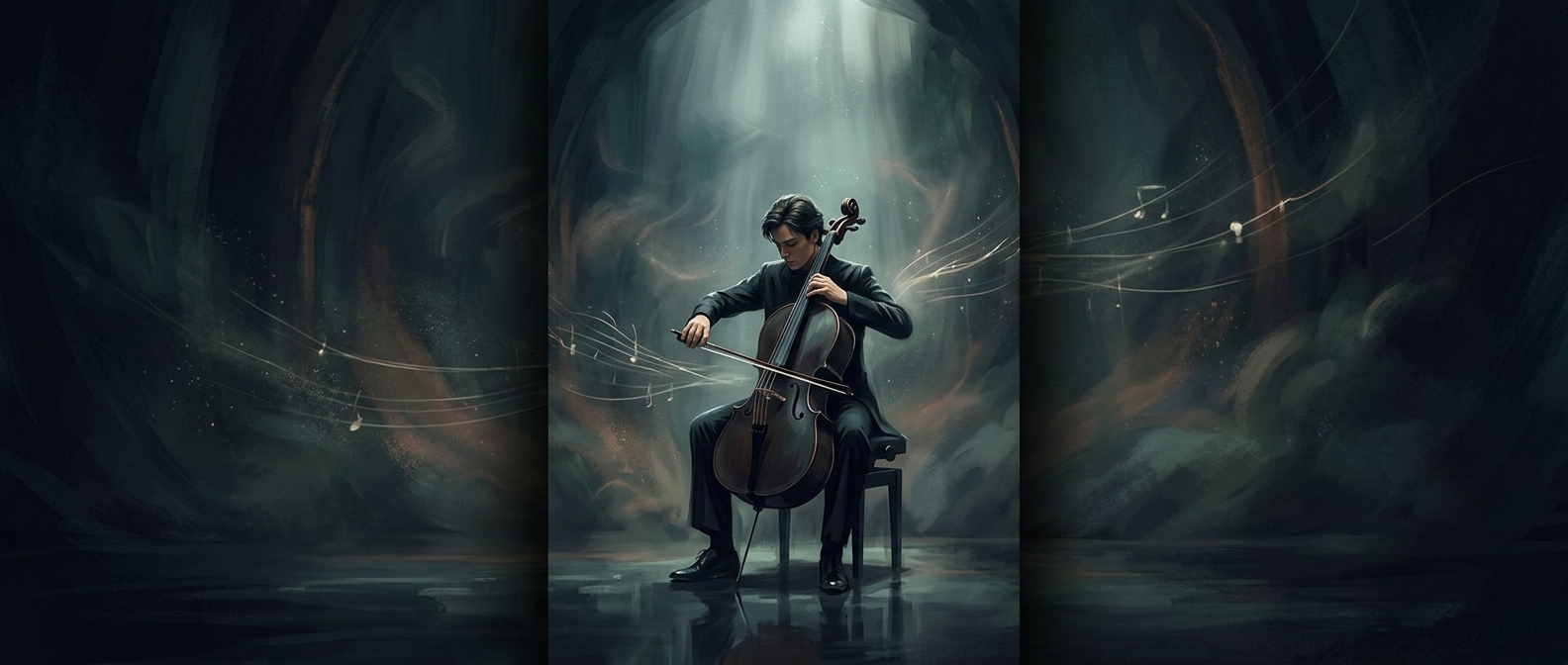
A cello is large enough that its player does not hold it up with the arms. Instead, a metal rod called the endpin rests on the floor, while the instrument’s curved sides sit between the player’s knees. This three-point support—floor, legs, and torso—keeps the cello steady without clamping it tightly.
That stability matters because the bow must travel smoothly across the strings. Even small shifts in the cello’s position can change the bow’s angle and make a note sound uneven. Sitting also lets the player keep the shoulders relaxed and move the arms freely through long passages.
How Posture Shapes the Sound
The player’s knees help guide the cello, but they should not squeeze it rigidly. The instrument needs to remain stable while still allowing small adjustments: a cellist may lean slightly, shift the left hand along the fingerboard, or angle the instrument to reach different strings. A chair set at the right height helps make those movements comfortable and repeatable.
Standing is possible, but it changes the support system. The player must keep the cello balanced against the body while managing the endpin and bow, which can make a familiar playing position less secure. For ordinary orchestral and recital playing, sitting is therefore the practical norm—not because movement is forbidden, but because a stable base gives the hands finer control.
The result is a performance that can look almost still from the audience: the player’s body provides a quiet anchor while the bow and fingers do the precise work.