Why the Body Cools Before Dawn
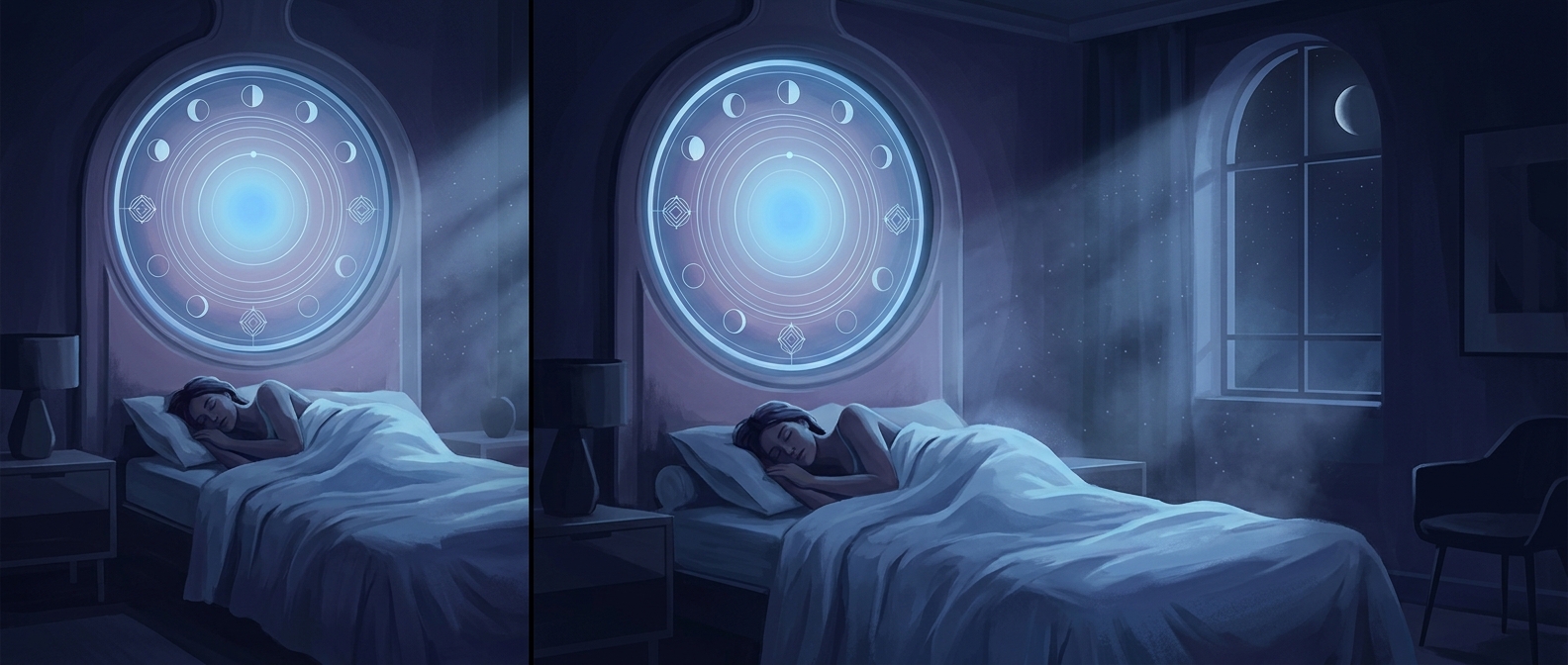
Body temperature is not fixed at one number all day. It follows a daily rhythm coordinated by the brain’s internal clock, which helps time sleep, wakefulness, and other body functions. As bedtime approaches, the body tends to shed heat; during the night, its core temperature—the temperature inside the body—continues to fall.
The low point often comes in the hours before a person’s usual wake time. The exact hour varies with sleep schedule and individual rhythms, so four in the morning is a useful shorthand, not a universal appointment.
The Clock Changes Heat Balance
The brain’s clock influences when the body conserves or releases heat. In the evening, blood vessels near the skin can widen, allowing more heat to escape from the body’s core. That cooling helps prepare the body for sleep. Later, as the body approaches its usual waking period, the temperature rhythm turns upward again.
This pattern is one reason a room that felt comfortable at bedtime can seem chilly before dawn. The air may not have changed; the body is producing and distributing heat according to a different phase of its daily cycle.
Why Getting Up Can Feel Especially Cold
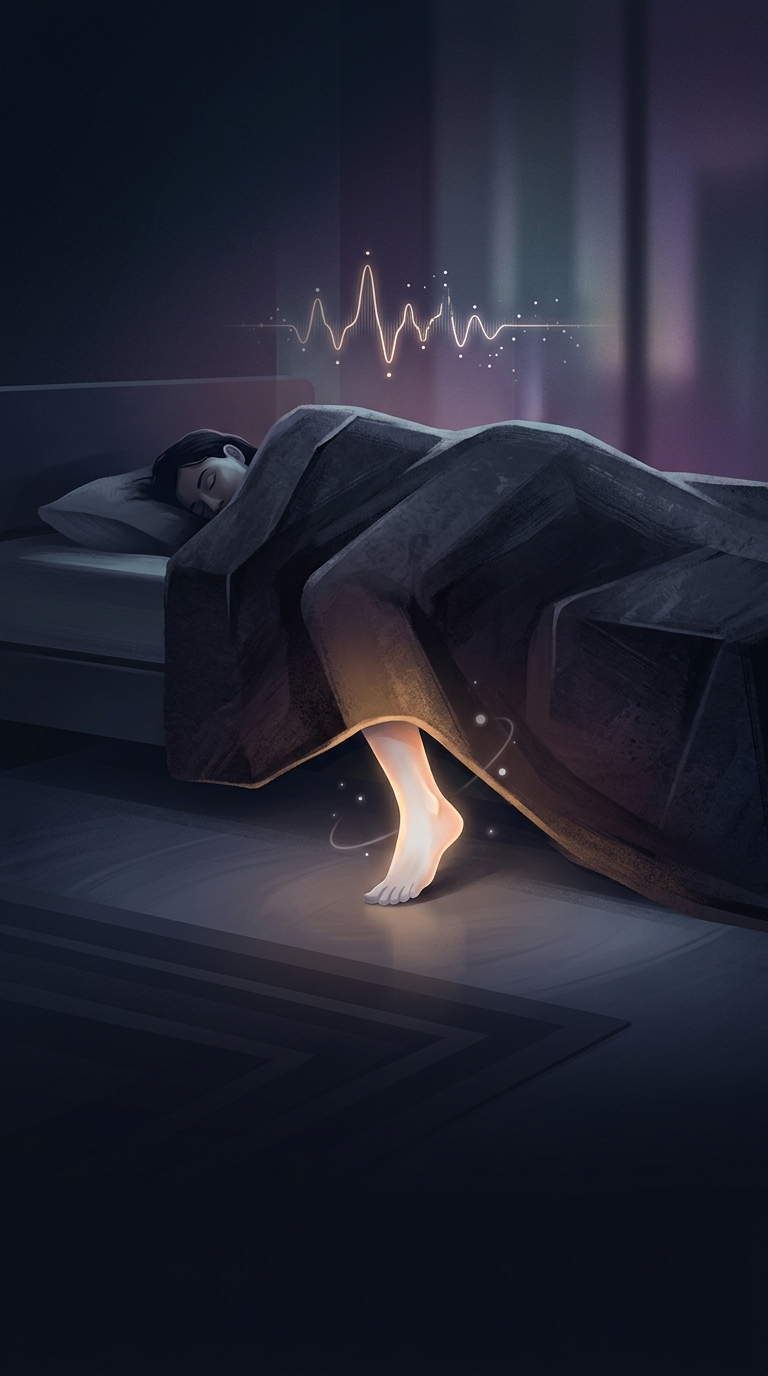
During sleep, a person is usually still and covered by bedding. Getting out of bed exposes more skin to cooler air and starts movement before the body’s temperature has risen much from its overnight low. The contrast can make the cold feel pronounced, even though the temperature shift is part of normal daily regulation.
A pre-dawn chill is therefore not simply a reaction to the room. It can reflect the timing of the internal clock meeting an abrupt change in surroundings: the body is near its coolest point, and the blankets are suddenly gone.