What “skyclad” was meant to do
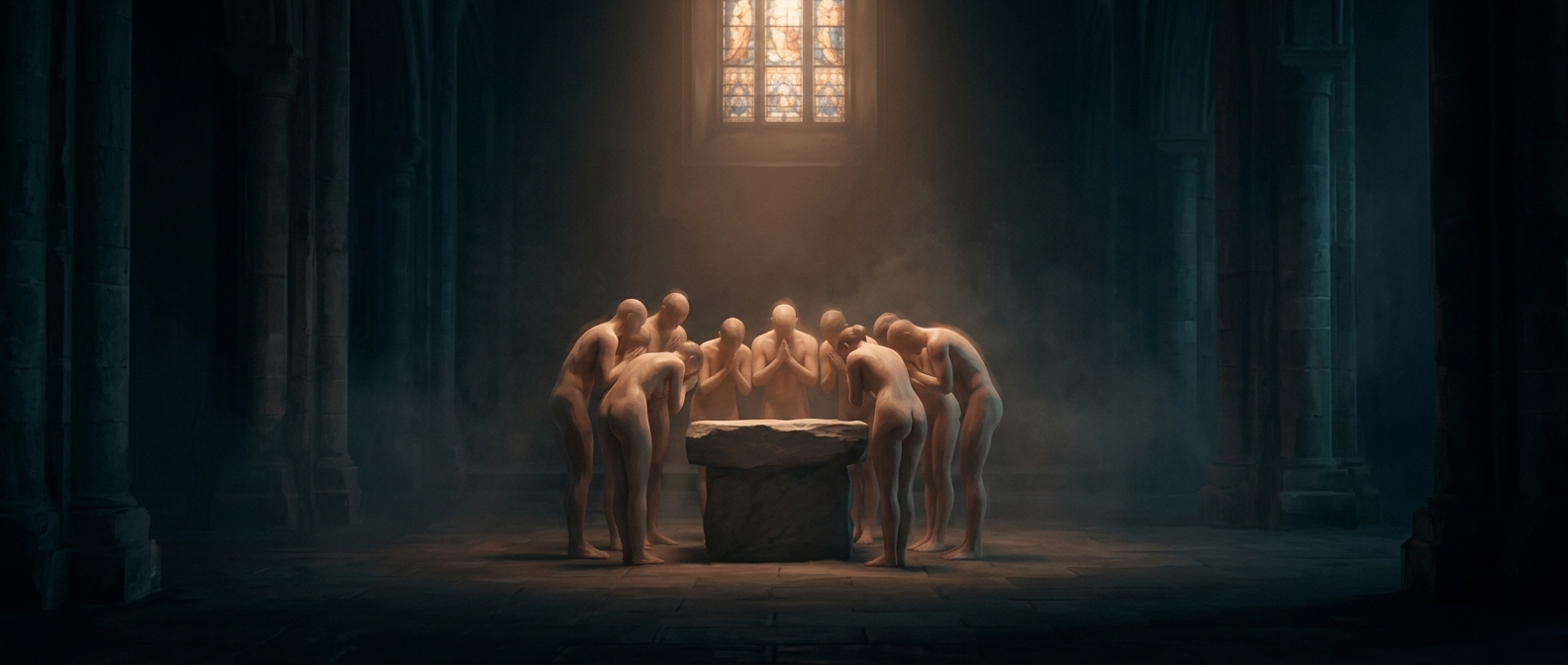
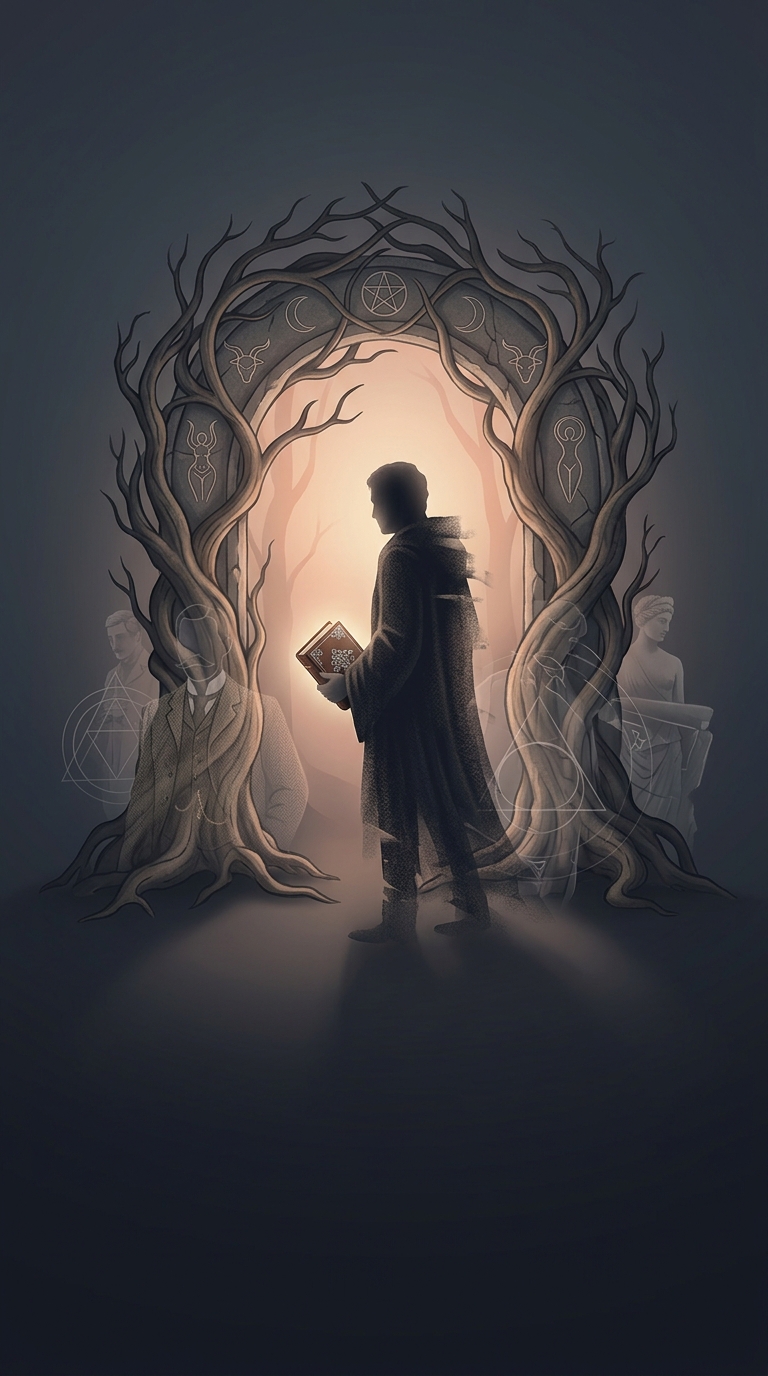
In the form of witchcraft Gerald Gardner helped popularize, ritual nudity was more than a striking costume choice. “Skyclad” meant entering a ceremony without clothes, with the body understood as part of the ritual rather than something to conceal. Within the group’s magical framework, clothing could interrupt the movement of spiritual or magical power; removing it was intended to leave that movement unobstructed.
The practice also changed the social atmosphere of a ritual. Ordinary clothes signal occupation, rank, wealth, and public identity. Setting them aside could mark a deliberate passage out of everyday life and into a shared ceremony. That did not make participants interchangeable, but it gave the act a meaning beyond simple exposure.
A demanding practice, not a universal rule
Gardner’s insistence made the custom a defining feature of the witchcraft tradition associated with him. But a religious practice can carry different meanings for different participants: some may regard nudity as spiritually important, while others may find the same ritual meaningful in robes or other clothing. Wiccan traditions and individual groups do not all follow one uniform rule.
The cold British setting in the caption points to the practical tension built into the idea. A ritual could ask participants to accept physical discomfort in order to follow a spiritual discipline. In that sense, “skyclad” was not merely a claim about how power worked; it was also a visible test of how fully the group would set aside ordinary habits for the ceremony.