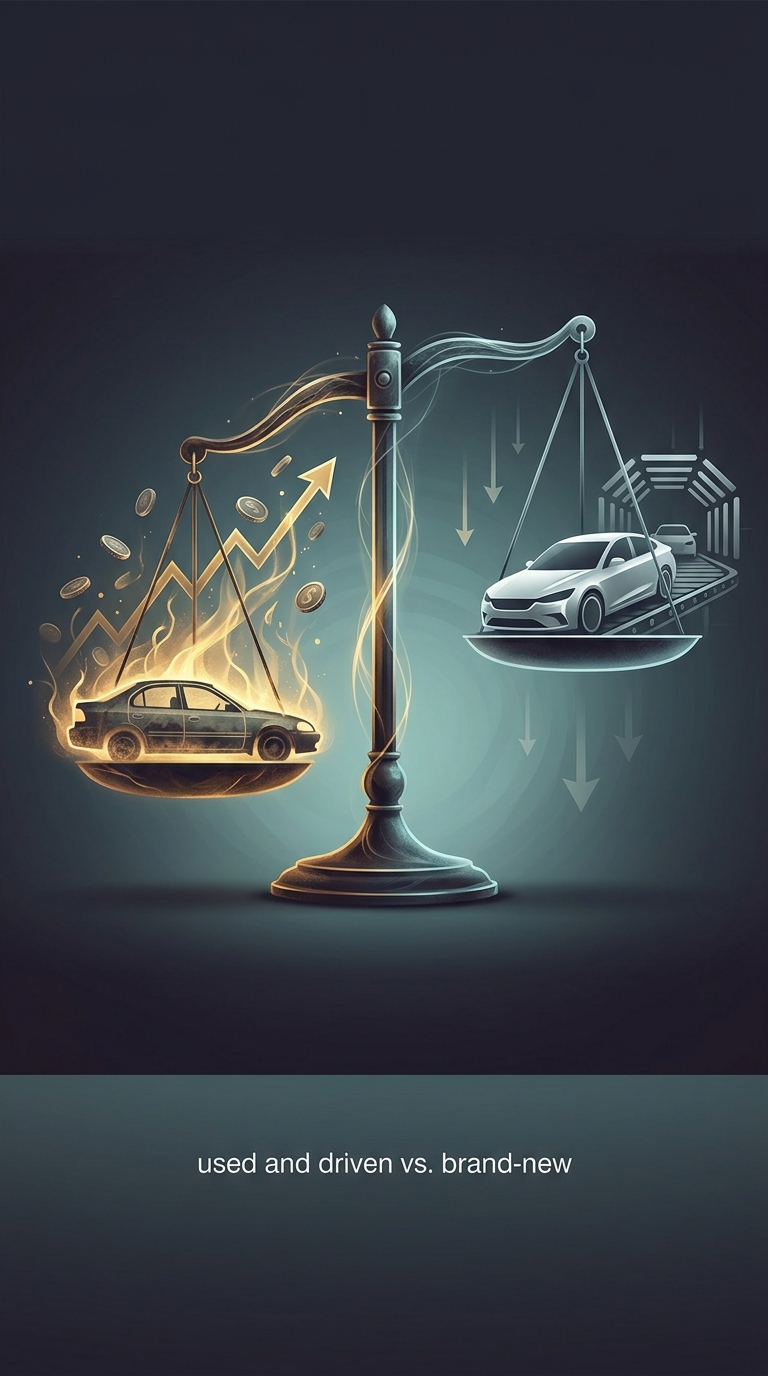
Why a used car could cost more than a new one
A car’s age does not set its price by itself. When new-car production slowed, the number of vehicles reaching showrooms fell, while people who still needed a car continued shopping. Buyers who could not find a new model often turned to a lightly used version of the same one, pushing up demand for the limited supply on used-car lots.
That created an unusual price inversion: a nearly new car could be listed for more than the new version’s sticker price. The comparison was not always perfectly like for like—trim, options, condition, and mileage matter—but the underlying pressure was real. A used car available now could command a premium over a new car that was difficult to find or required a wait.
Scarcity changed what buyers were willing to pay
The semiconductor shortage disrupted production because modern vehicles rely on chips for many functions, from engine management to driver-assistance systems. When automakers built fewer cars, buyers had fewer new vehicles to choose from. Some shifted to used cars; others were willing to pay extra for immediate availability rather than wait for a factory-built vehicle.
Used-car sellers responded to that competition. Dealers and other sellers price against what buyers are currently willing to pay—and against the cost of replacing the car they have just sold. If replacement vehicles are scarce and expensive, a seller has less reason to offer a bargain. Meanwhile, new-car sticker prices do not automatically rise in step with demand, so the used market could move above them.
The cost of getting a car right away
This was not a dependable way to make money by buying any used car. The premium depended on the vehicle and local supply, and buyers still had to weigh mileage, wear, financing, and future resale value. But the episode showed how a supply shock can reverse a familiar assumption: when new cars are hard to get, a used car’s immediate availability can be worth more than its lower age.