What a dictionary entry really signals
A dictionary does not grant a word permission to exist. Editors add words when they find enough evidence that people use them consistently and understand roughly the same thing by them. “Doomscrolling” moving into major dictionaries therefore marks a shift from a clever online phrase to a recognizable label for a recurring experience—not an official diagnosis or an endorsement of the behavior.
The word is a compact blend: “doom” gives the feed its bleak emotional tone, while “scrolling” names the small, repeated action that keeps it moving. Its usefulness lies in joining those pieces. It describes not just reading bad news, but staying with it long after the next update seems likely to help.
Why the label fits the feed
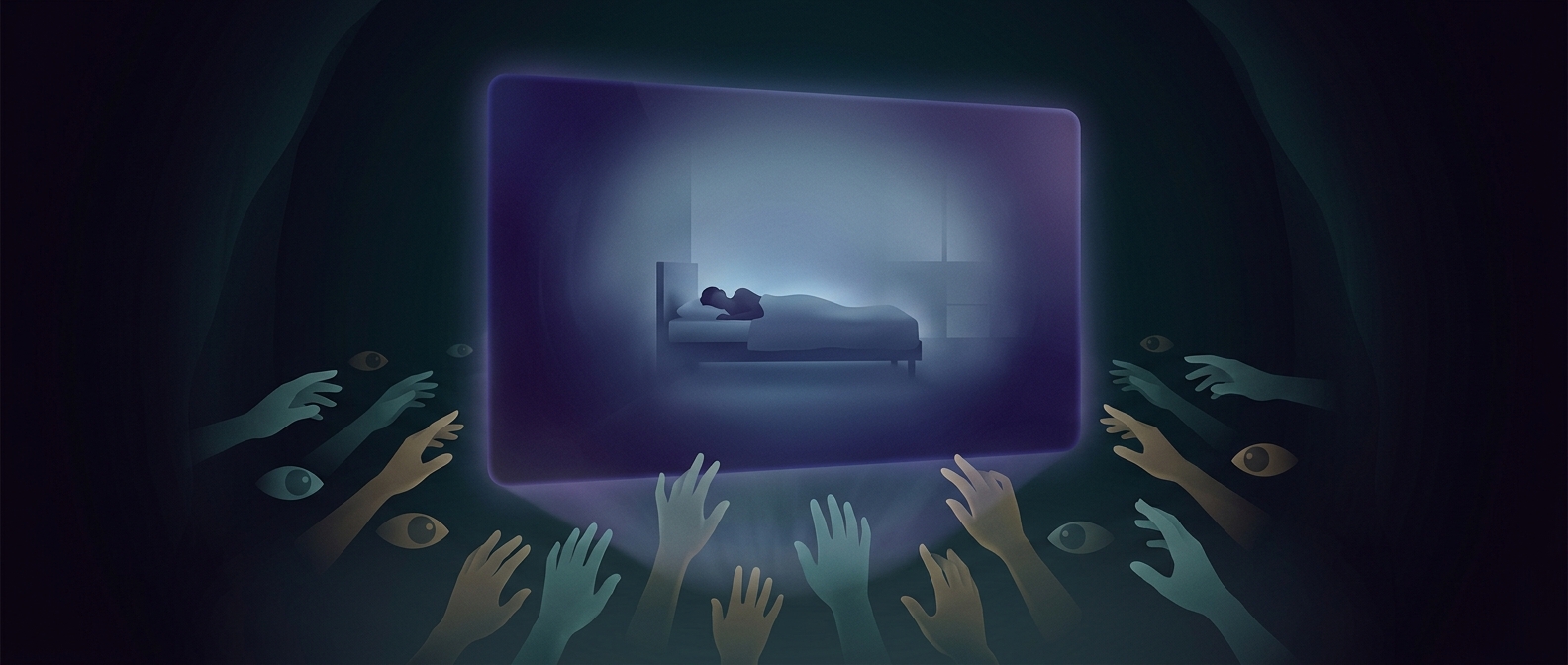
Negative stories can feel urgent because they hint at danger or change. When updates arrive in a stream, each new post offers the possibility of useful information, even if most of what appears is repetitive or upsetting. Scrolling makes the search effortless to continue: there is no natural last page, and the next item is always close at hand.
That combination can turn attention into a loop. A person checks for clarity, encounters more alarming material, and keeps going in hopes of finding a clearer answer. The label captures the mismatch between the intention—staying informed—and the result: prolonged exposure that may leave someone more distressed without making the situation easier to understand.
Naming the habit changes the conversation
Once a behavior has a shared name, people can distinguish it from ordinary news reading and talk about when a useful check has become a draining spiral. The word also puts part of the experience in the design of the medium: a continuous feed makes stopping a choice the user must actively make, rather than a boundary built into the page.
That is the small but telling consequence of dictionary recognition: a private, hard-to-describe habit becomes a public pattern people can notice—and decide when to interrupt.