The appeal is the waiting
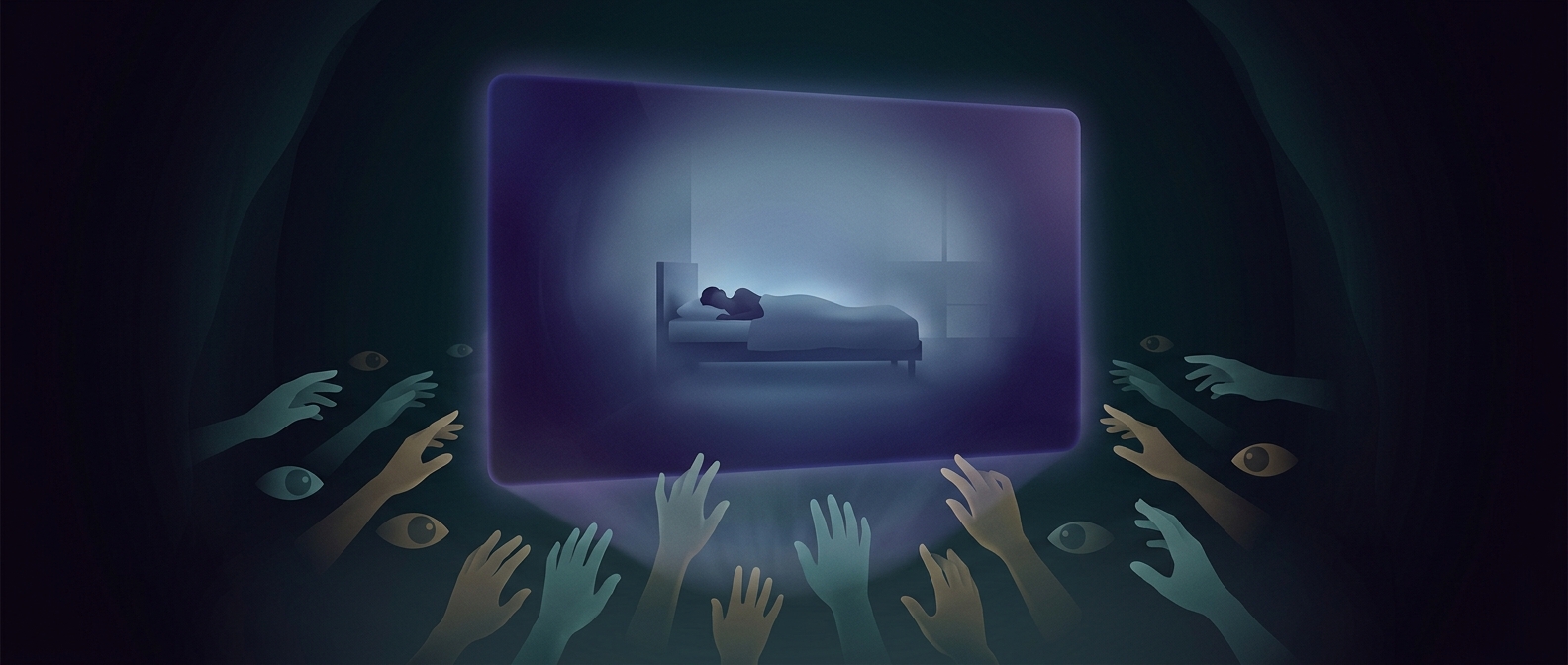
A sleep stream turns an ordinarily private, uneventful stretch of time into a live event. Most of the minutes may contain little action, but viewers know the scene can change: the streamer might stir, react to a sound, or wake. That gap between calm and possible interruption gives the broadcast a simple kind of suspense. It also invites people to keep checking in rather than follow a plot with a fixed beginning and end.
The format can feel intimate without requiring a conversation. Viewers share a quiet room with someone who is not performing directly to them, and the stream’s ordinary details—breathing, blankets, a dim bedroom—make it feel unlike a polished show. For some, that background presence is part of the draw; for others, the prospect of a sudden reaction supplies the entertainment.
Turning attention into a control system
Donations that trigger sounds make the audience part of the show’s machinery. A payment is not just support: it can produce an immediate, visible consequence. Viewers watch to see whether the noise wakes the streamer and how they respond, while the streamer trades some control over their rest for a more interactive broadcast and the chance to earn money.
That bargain creates a built-in tension. The streamer needs the room to remain quiet enough for sleep to look real, but interruptions give viewers a reason to participate. The audience’s influence is limited to the options the streamer has set up, yet even that small power changes the meaning of watching: people are no longer only observing a sleeping person; they are waiting to see what their collective activity will make happen. A quiet bedroom becomes a live performance whose main event may be the moment the performance is disturbed.