The Comedy of an Order Gone Wrong
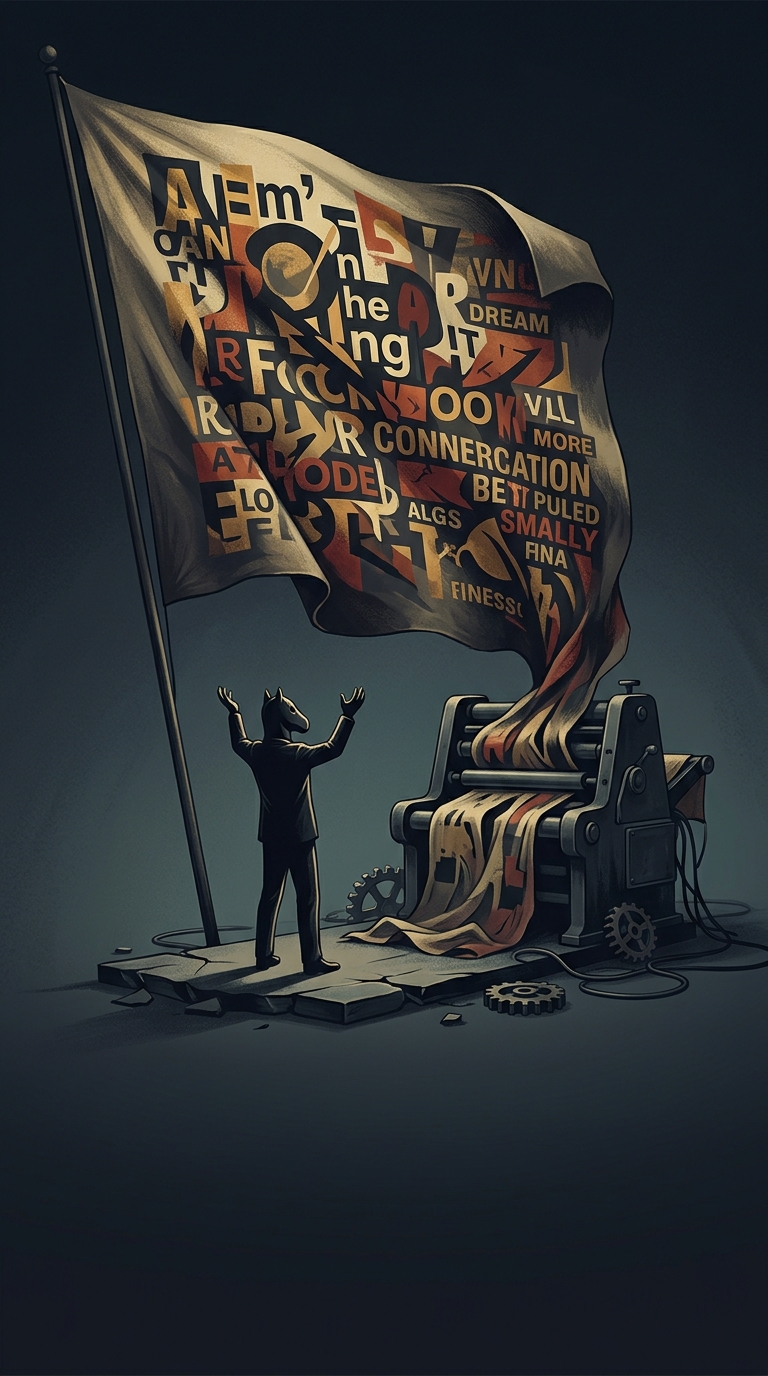
The banner-company gag works because it turns a simple transaction into a dependable little failure machine. A character gives an instruction; the company produces something that gets it wrong. The humor lies in the gap between what was meant and what appears—not in a complicated setup or a new punchline every time.
That repetition gives the joke its shape. Viewers learn the pattern, so the company’s next mistake becomes funny before they even know what it is. The banner is also a tangible prop: a private intention becomes a large, visible error that other characters can see. A small mistake in communication is made absurdly public.
Why the Gag Fits a Darker Story
BoJack Horseman often places broad, cartoonish comedy alongside painful material. The banner business offers a sharp change of scale: its mistakes are trivial compared with addiction or inherited family damage, but both kinds of trouble involve people failing to get the outcome they want. The parallel is tonal rather than literal. A botched order is not a stand-in for trauma; it is a comic interruption that keeps the show from treating every difficult subject in the same solemn register.
The contrast also lets the series move quickly between registers. A running gag can make a scene feel playful, while the story’s heavier concerns remain present elsewhere. The joke’s usefulness comes from its predictability: the audience knows the company will misunderstand, but not exactly how the next mistake will look.