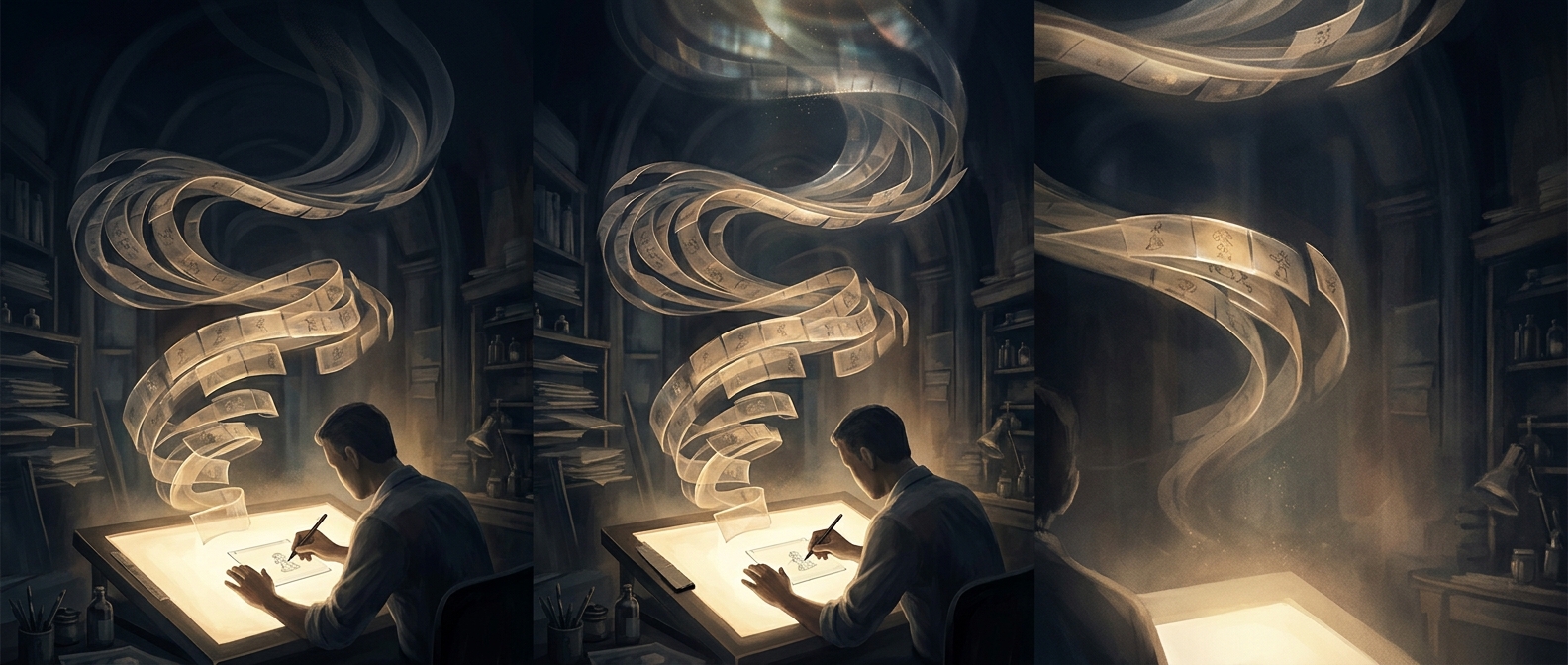
Why early animation relied on vivid pigments
Before digital coloring, an animation cel was a clear sheet of film on which artists painted characters and other moving details. Stacked over painted backgrounds and photographed frame by frame, the cels had to produce strong, consistent colors on camera. Some traditional pigments containing lead offered useful qualities: they could be bright, opaque, and durable. Lead compounds were among the materials available to paint makers, though not every color—or every studio’s paint—contained lead.
The exposure happened in the paint room
The risk was less about a finished cartoon frame than about making it. Painters and other studio workers repeatedly handled paints, brushes, containers, and wet cels. Lead could enter the body if contaminated hands or tools transferred it to food or mouths; dried paint or pigment dust could also be inhaled. Lead is especially concerning because it can accumulate in the body, and repeated exposure can harm the nervous system and other organs.
That makes the work’s cheerful appearance an imperfect guide to its conditions. A clean, bright image on screen could be the result of painstaking manual labor with materials whose hazards were not always understood or controlled as they are today. The very qualities that made certain pigments useful for animation—strong color and reliable coverage—did not make them safe to handle.