A mouth that can do a lot with very little
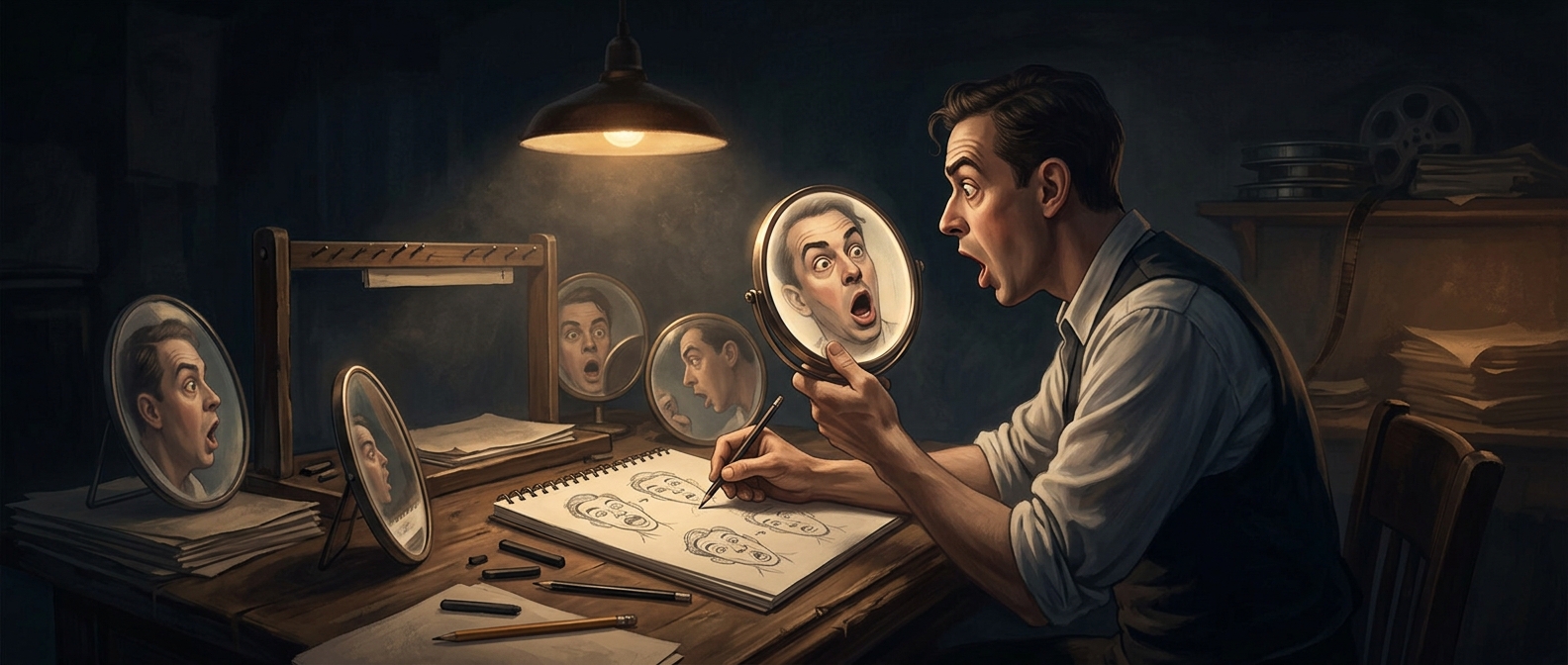
A “bean mouth” is a compact, rounded shape that can widen, squash, or open into a dark oval. It is not a realistic drawing of lips; it is a flexible symbol for speech and expression. A few changes to its shape can suggest a grin, a shout, a mutter, or surprise while keeping the face easy to read.
That economy matters in animation. A character may need to speak through a long scene, and the mouth has to change repeatedly without distracting from the eyes, gesture, or action. Simple shapes are also easier to redraw or manipulate consistently than finely detailed lips, especially when characters move quickly or appear small on screen.
Simplicity fits the production pipeline
Many contemporary shows use digital rigs: reusable character models whose parts can be moved and reshaped. A basic mouth can be built from a small set of poses, then adjusted for different sounds and emotions. That does not make every production identical, but it makes a clean, economical design practical for teams working through many shots.
The same design can also travel well across formats. Rounded mouths remain legible in a quick cut, on a phone-sized screen, or in a small promotional image. Bold outlines and simplified faces are easy to recognize at a glance, which suits comedy built around rapid reactions.
A shared visual language, not one copied template
The resemblance comes from overlapping goals: make expressions clear, keep characters manageable to animate, and give a show a recognizable look. Artists still vary the proportions, timing, linework, and surrounding facial features. The bean shape is less a single recipe than a useful visual shorthand—one that lets a tiny change in a mouth carry a whole beat of dialogue.