Fewer Digits, Clearer Drawings
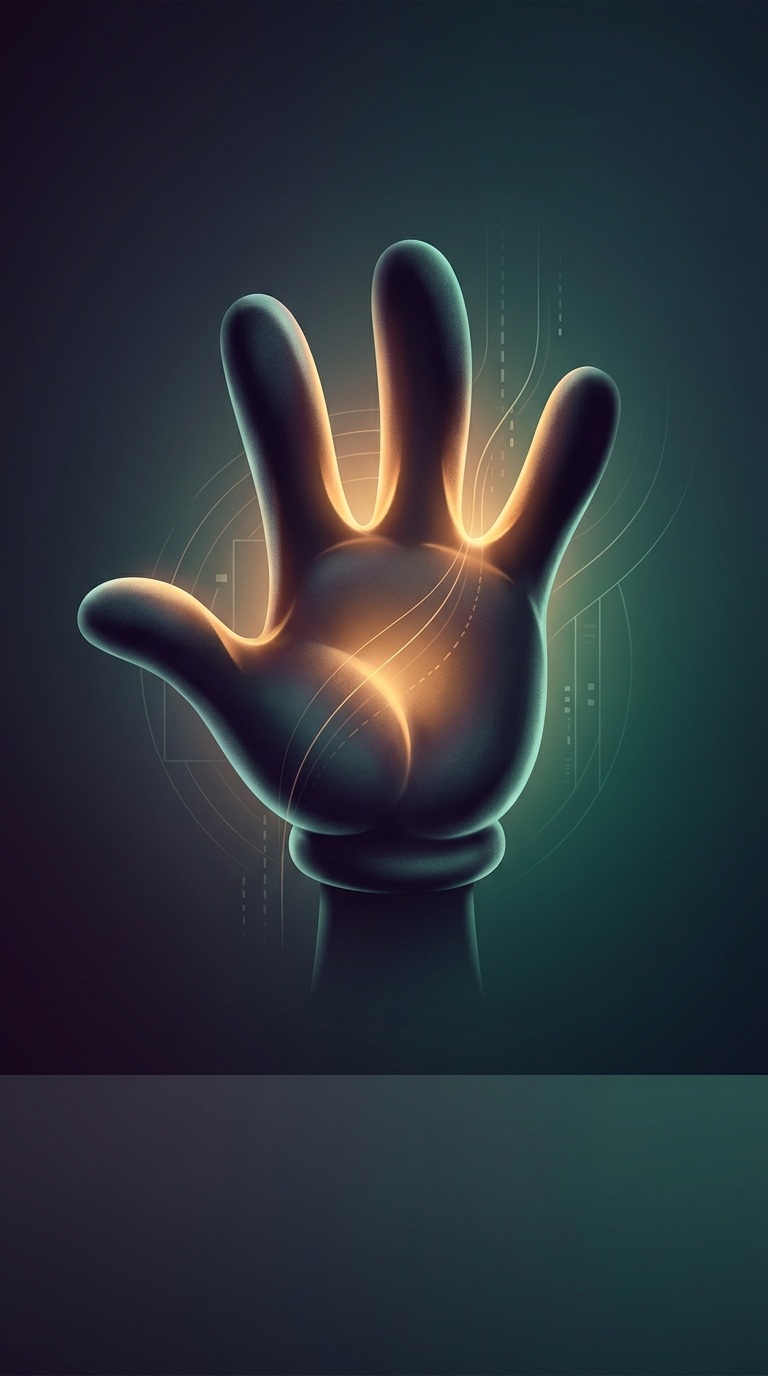
Many classic cartoon characters have four digits on each hand: three fingers and a thumb. That small simplification makes hands easier to draw and easier to read. In a tiny frame, a cluster of five fingers can blur together; with fewer shapes, a gesture—pointing, waving, or gripping—stays clear.
It also matters that animation is built from many successive drawings. A hand has to be redrawn in changing poses, and a simpler design means fewer details to keep consistent from one image to the next. The choice can save effort, but its bigger payoff is visual: the character’s expression and movement remain legible.
A Convention That Became Part of the Look
The four-digit hand became a familiar cartoon shorthand, used by characters such as Mickey Mouse and Homer Simpson. For Mickey, white gloves help his hands stand out against his dark body and make them feel expressive; the simplified fingers fit that clean, graphic design. In The Simpsons, the same convention suits the show’s bold, uncomplicated shapes.
It isn’t a rule that every animated character must follow. Some designs use five fingers when that better serves their style or appearance. But for a simple, iconic character, three fingers and a thumb can do the job without crowding the drawing. The result is a hand that reads instantly—even when it appears for only a moment.