A borrowed visual trick became anime’s signature
There is no single historical reason, but one important starting point is Osamu Tezuka, the manga artist whose work helped shape postwar Japanese comics and animation. Tezuka openly drew inspiration from American cartoons, including the expressive characters of Walt Disney films. Their large eyes made emotion easy to read, even in a simple drawing. He adapted that approach to manga, where a character’s face had to communicate quickly from one still panel to the next.
Large eyes were not simply copied from Disney, nor did Tezuka invent them from nothing. Japanese popular illustration already had its own theatrical and graphic influences. But his enormously popular characters helped make the style familiar, and later artists developed it in their own directions.
Why the eyes stayed large
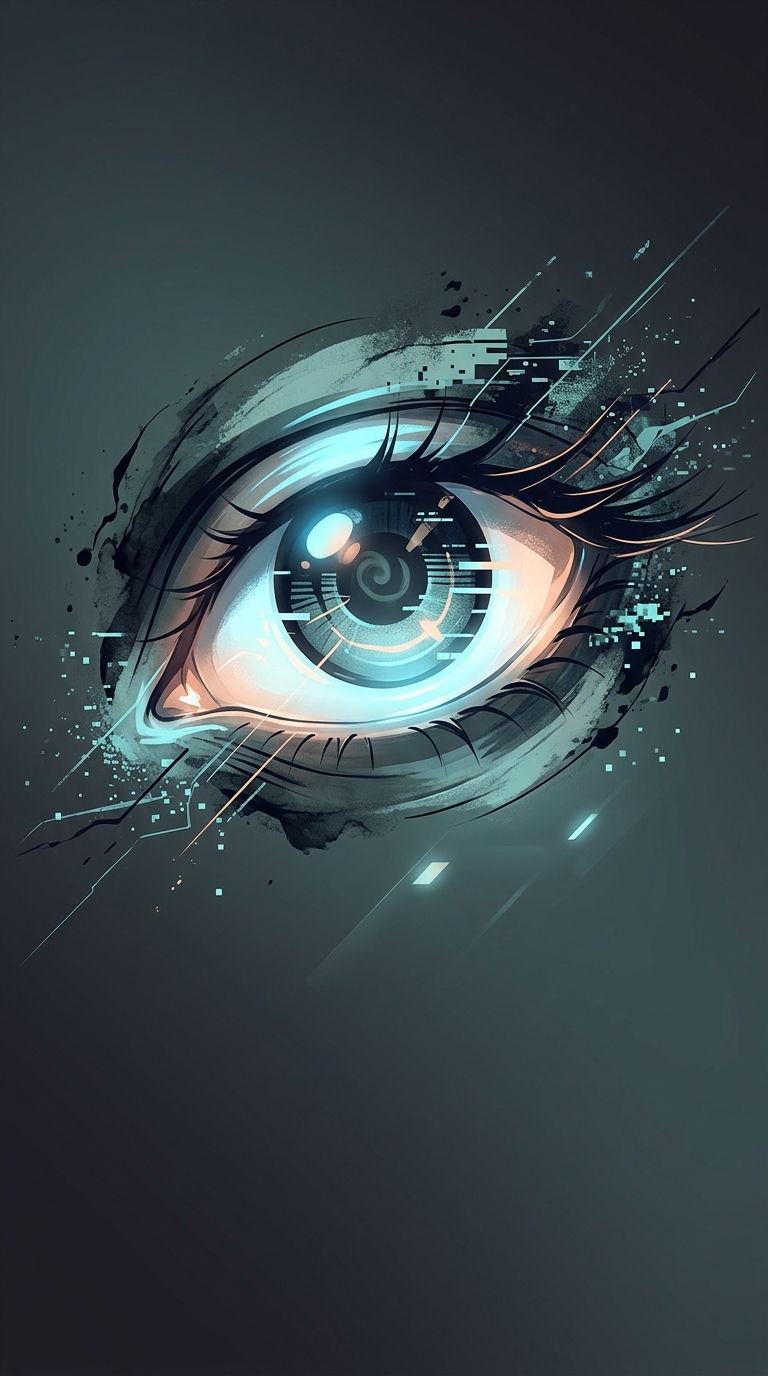
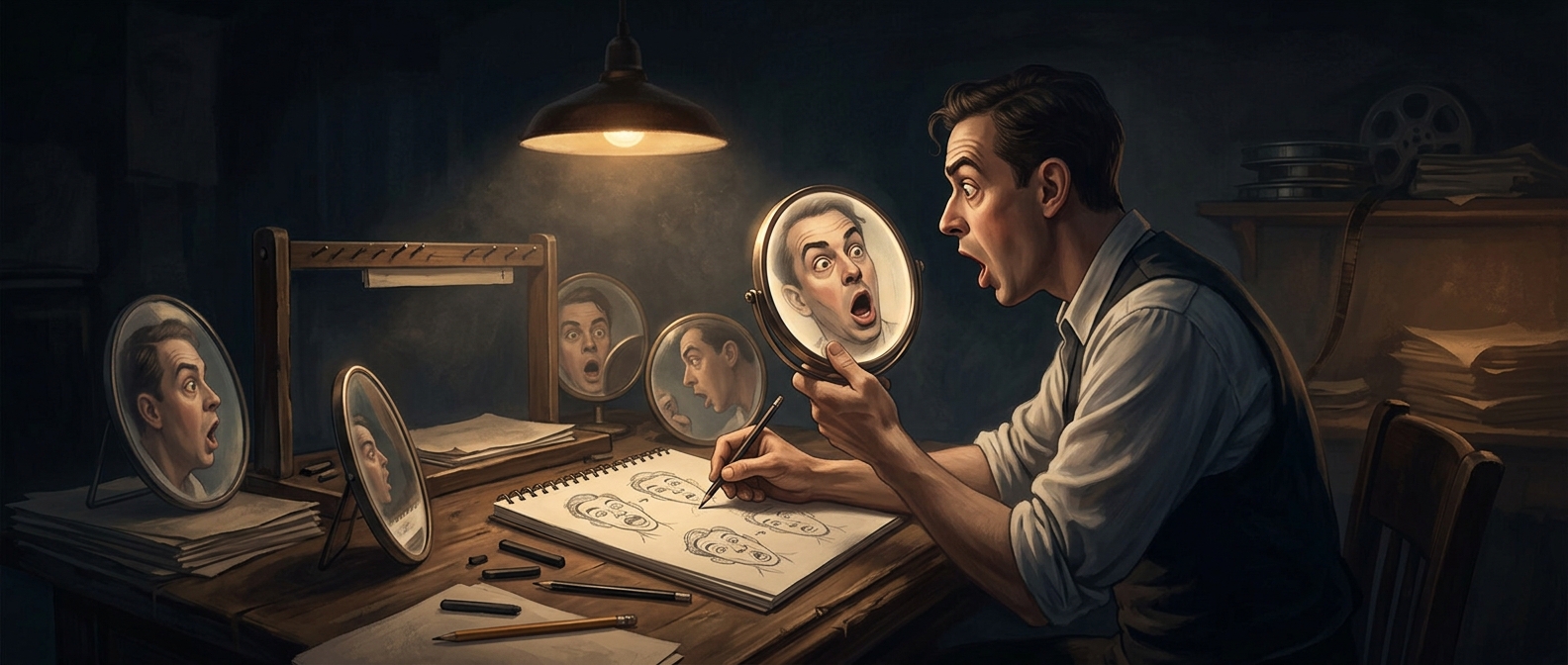
Eyes are especially useful in a medium built around stylized faces. A small change in their shape, direction, or highlights can suggest fear, excitement, embarrassment, or determination without changing the rest of the character. In animation, that clarity helps an expression register quickly on screen; in comics, it works across a sequence of still images.
Different genres made the feature mean different things. In girls’ comics, or shōjo manga, artists used elaborate eyes and reflections to convey a character’s inner feelings. Other genres might use large eyes for comedy, cuteness, or an instantly recognizable design. The style also varied: many anime characters have comparatively small or sharply drawn eyes.
The lasting result is less a rule than a flexible visual language. Oversized eyes let a few drawn lines carry a lot of emotional information—a practical storytelling device that became one of anime’s most recognizable conventions.