The cartoon eyes that crossed the Pacific
The large, expressive eyes now associated with anime did not emerge from a single Japanese drawing tradition. A major influence came from Western cartoons, especially the character designs of Walt Disney studios. Japanese artists encountered these films and comics in the early 20th century; animator and manga creator Osamu Tezuka later became one of the most influential artists to adapt their visual language.
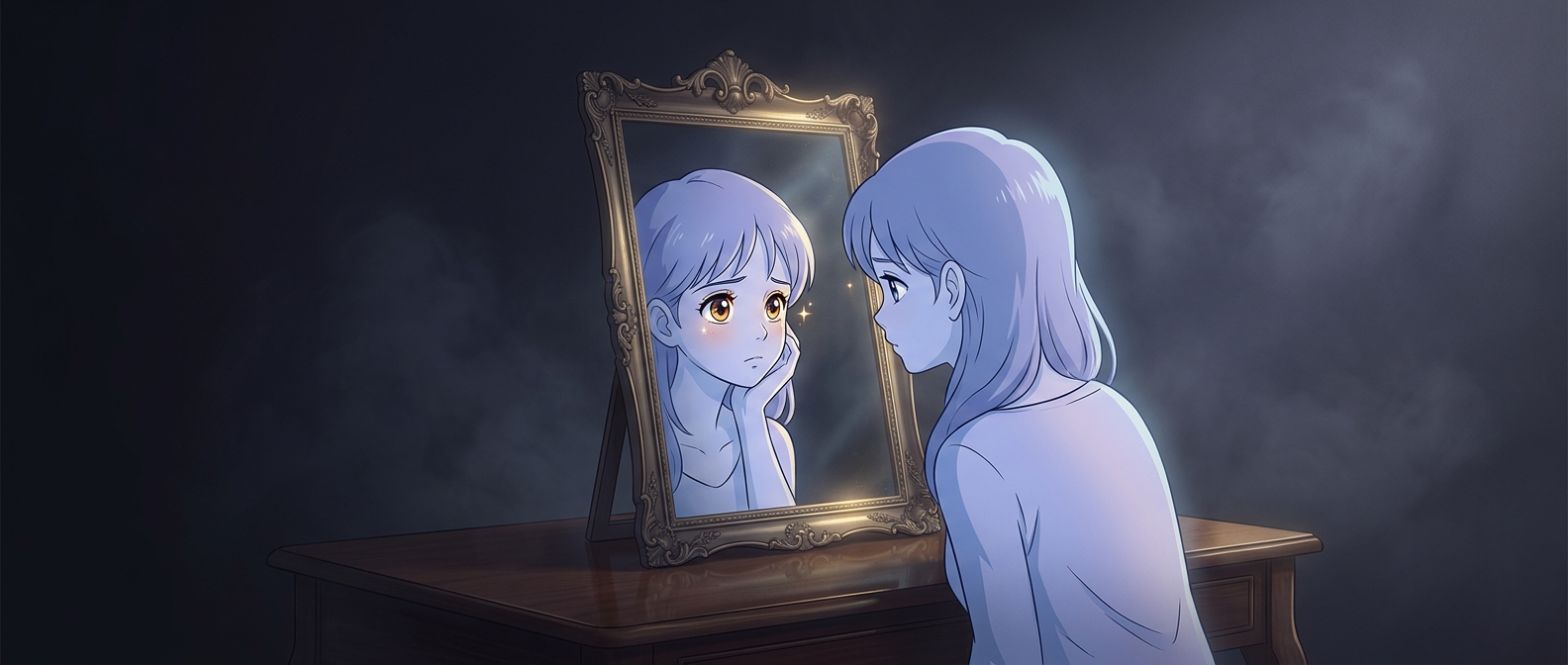
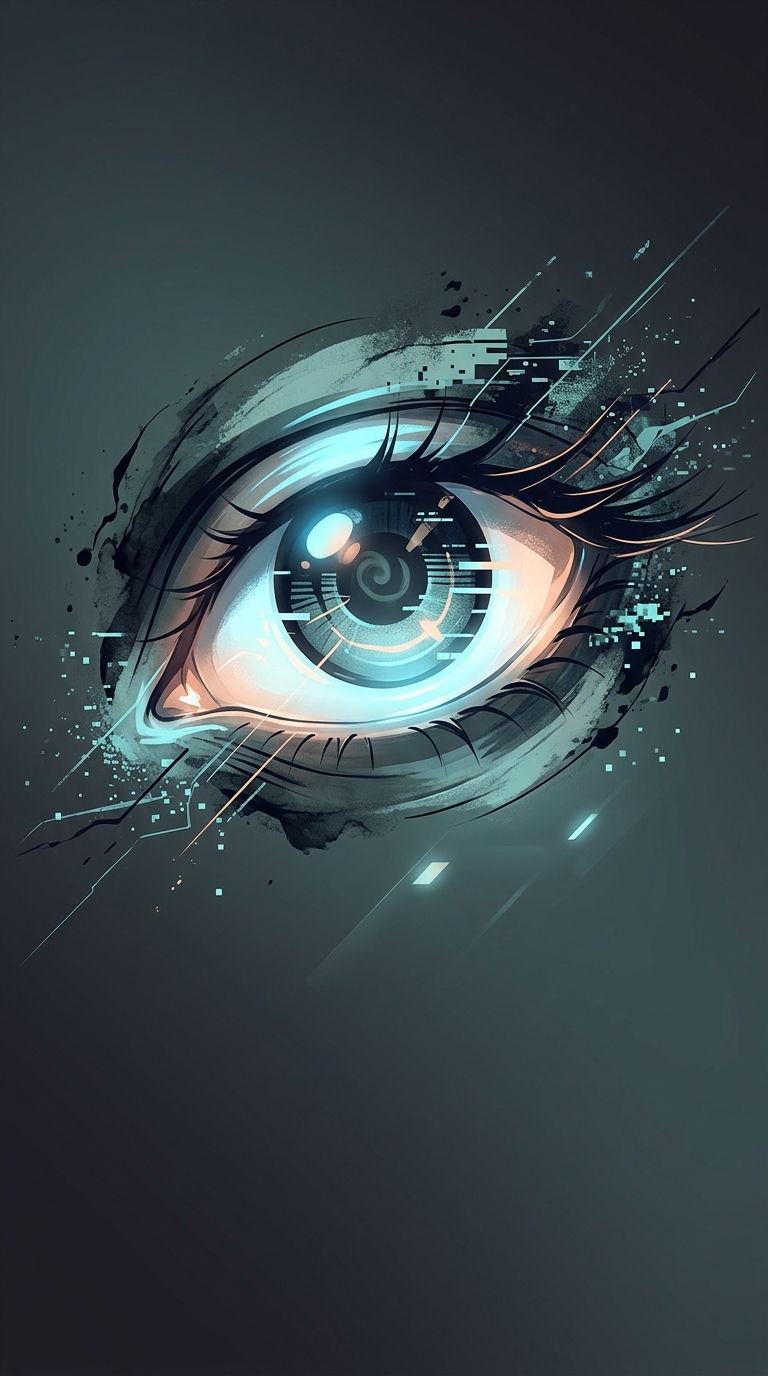
Tezuka’s characters often had oversized eyes, small noses, and simplified faces. The proportions made expressions easy to read: a widened eye could signal surprise, while a lowered gaze could carry sadness or hesitation. That clarity mattered in comics, where a still image had to communicate emotion instantly, and in animation, where artists needed recognizable faces across many drawings.
An influence, not a universal rule
The style spread because Tezuka’s work helped shape postwar manga and animation. Later artists borrowed and changed its conventions, turning expressive eyes into a flexible design tool rather than a fixed formula. They could make characters look innocent, dramatic, glamorous, or comically startled simply by changing the size, highlights, and shape of the eyes.
Anime never adopted one standard face: many works use small eyes, realistic proportions, or styles drawn from other sources. But the enduring big-eyed look carries a history of adaptation. A visual device associated worldwide with Japanese animation was partly forged by Japanese artists reworking the expressive shorthand of Western cartoons.