Why oversized eyes worked on screen
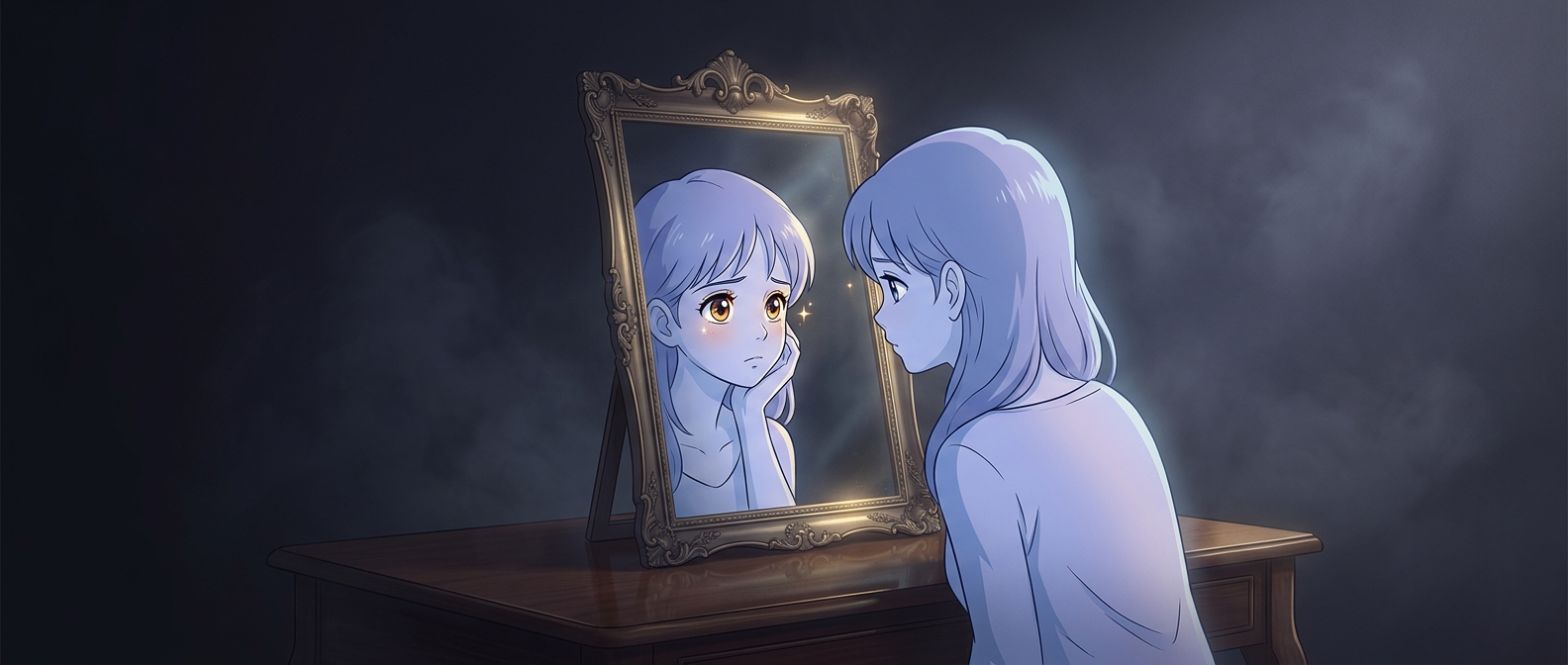
Western cartoons offered Japanese animators a striking visual tool: eyes large enough to make a character’s feelings legible at a glance. A small shift in the pupil or eyelid could suggest fear, delight, or resolve, even when the rest of the face stayed simple. That clarity mattered in animation, where expressions have to register quickly as drawings change from frame to frame.
The influence was part of a broader exchange, not a one-way transfer of a finished style. Japanese artists adapted visual ideas from imported cartoons to their own characters and storytelling. Osamu Tezuka, a highly influential manga artist whose work helped shape postwar animation, is often associated with this shift toward expressive, rounded eyes.
A borrowed device became a local convention
Once audiences recognized the eyes as a cue for emotion, artists could use them to establish personality as well as mood. Bright, open eyes might make a character seem curious or vulnerable; narrowed or shadowed eyes could signal suspicion or strain. The feature became flexible shorthand, not a rule that every character had to follow.
That distinction matters: anime does not have one fixed eye style, and large eyes alone do not define it. The lasting change was that a visual device encountered in Western cartoons was reworked until it could communicate emotion in Japanese comics and animation on its own terms. A glance could carry a scene’s emotional turn before a character said a word.