A film collage before the story starts
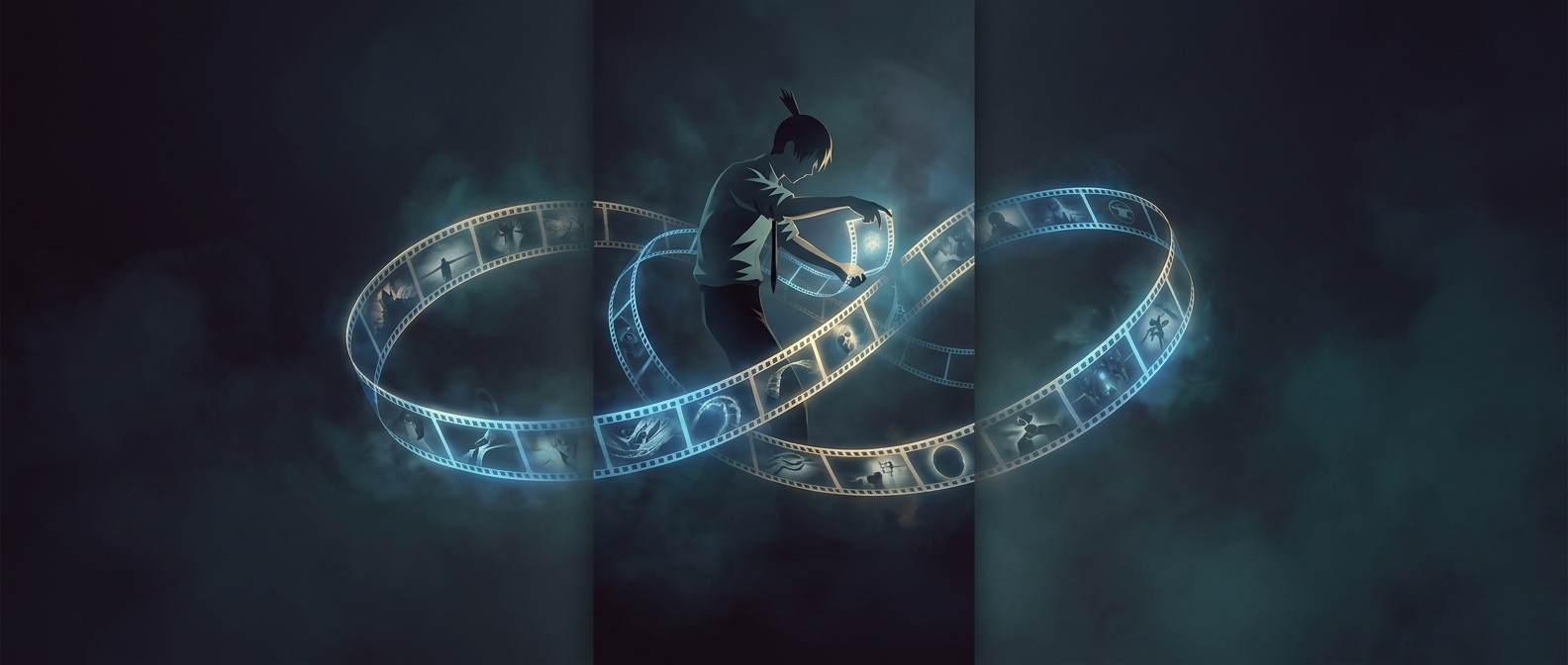
The opening of Chainsaw Man works like a rapid-fire moviegoing memory test. It recreates recognizable shots from 15 films, including Pulp Fiction, The Big Lebowski, and The Texas Chain Saw Massacre. The images are visual quotations: they borrow the shape of familiar scenes so viewers can recognize the reference without needing the films’ plots retold.
That recognition gives the sequence two jobs at once. It supplies a stream of cinematic images, and it invites viewers to keep matching each image to a movie. The references reward people who know the films, but they still read as bold, strange snapshots if a viewer misses a particular one.
Why these films set the tone
The selections pull from sharply different kinds of movie: Pulp Fiction is associated with stylized crime, The Big Lebowski with offbeat comedy, and The Texas Chain Saw Massacre with horror. Placing such references in one opening makes tonal instability part of the introduction. The show signals that violence, humor, and bizarre spectacle may occupy the same world rather than arriving in neatly separated moods.
That is a useful fit for a series whose premise can be grotesque and absurd as well as violent. Instead of explaining that mix in dialogue, the opening lets viewers feel it through images they already associate with other stories. The movie tributes are more than background decoration: they establish a viewing rule—expect sudden shifts, and do not assume the next moment will match the last.