The rhythm comes from how long a drawing stays on screen
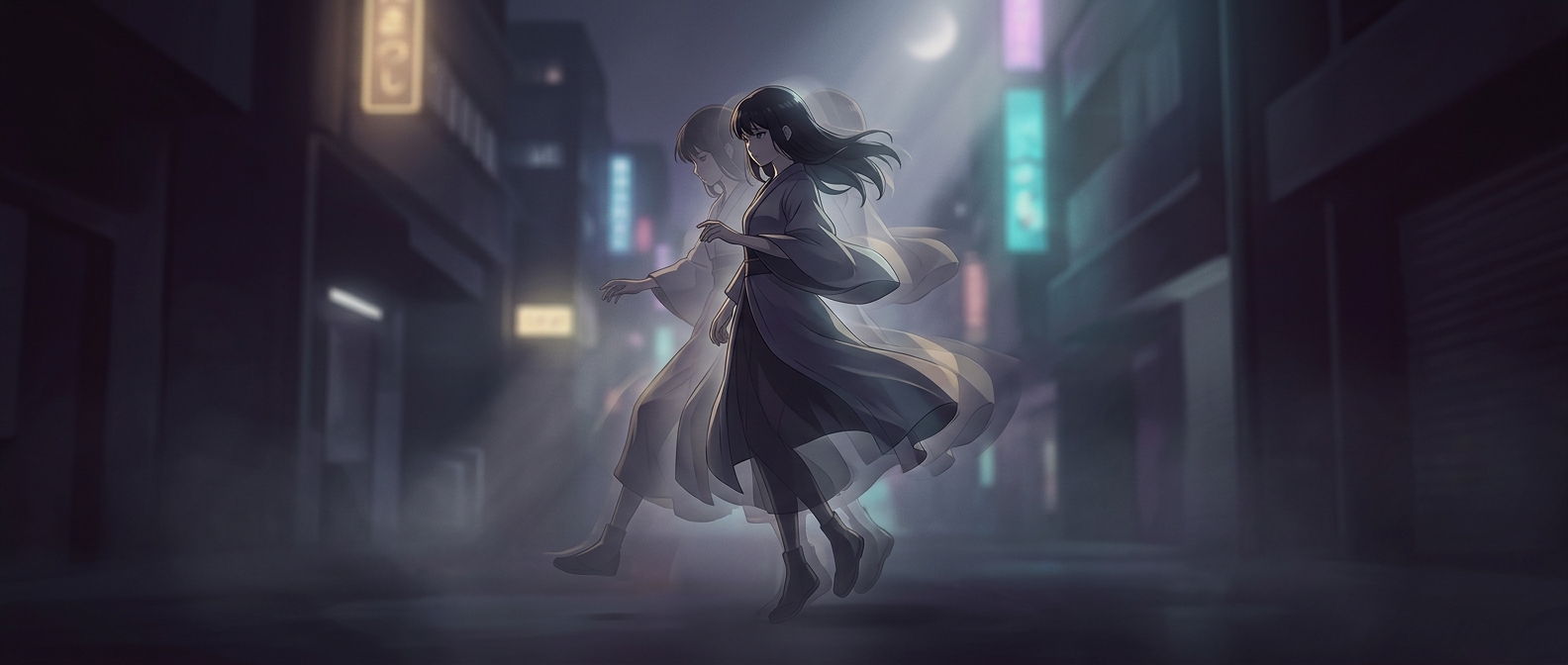
Animation is projected as a stream of frames, but each frame does not have to show a new drawing. In a common technique called animating on threes, one drawing is photographed or displayed for three consecutive frames. At 24 frames per second, that means the image changes about eight times per second, even though the screen still updates 24 times.
The result is not simply “bad” or unfinished animation. Holding an image gives a movement a particular cadence: a character may seem to pause, then snap into action, rather than glide continuously from pose to pose.
Stillness saves work—and directs attention
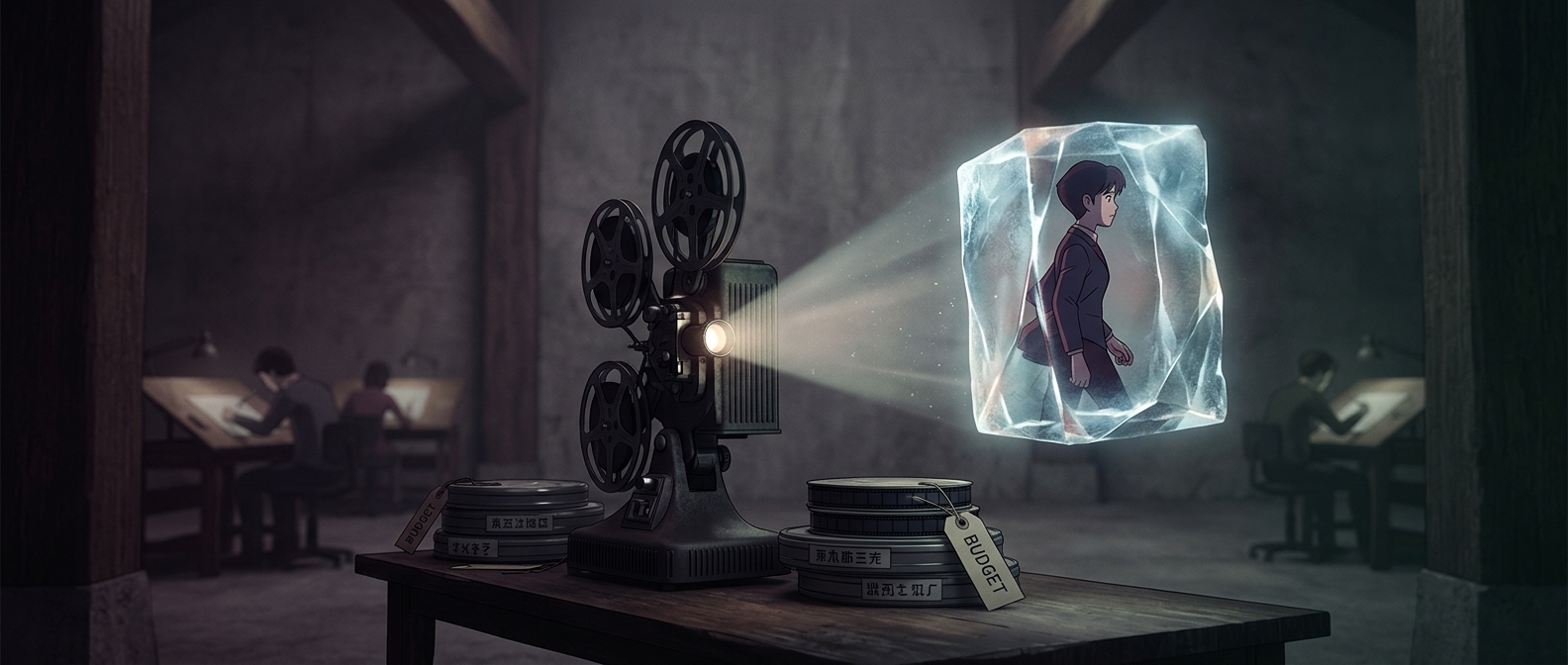
Every new drawing takes time to create, ink, color, and check. Reusing a drawing lets a production spend fewer images on a moment that can read clearly without constant motion. That matters in scenes built around dialogue, where a held pose can keep attention on a character’s expression or the words being spoken.
The economy also gives artists a reason to choose where motion matters most. A scene can hold the background and most of a character while moving only the mouth, eyes, or hand. When a sudden gesture or impact arrives, more frequent drawing changes can make it feel sharper by contrast.
“Choppy” can be part of the expression
The technique is flexible, not a fixed rule for every shot. Animators can vary how long poses last and how many drawings a movement uses. Slower changes can make a gesture feel heavy or hesitant; quicker changes can make it feel energetic. So the characteristic rhythm often comes from a tradeoff turned into a visual choice: conserve drawings where motion is not essential, and spend them where a change should land.