How a Still Drawing Can Feel Like Motion
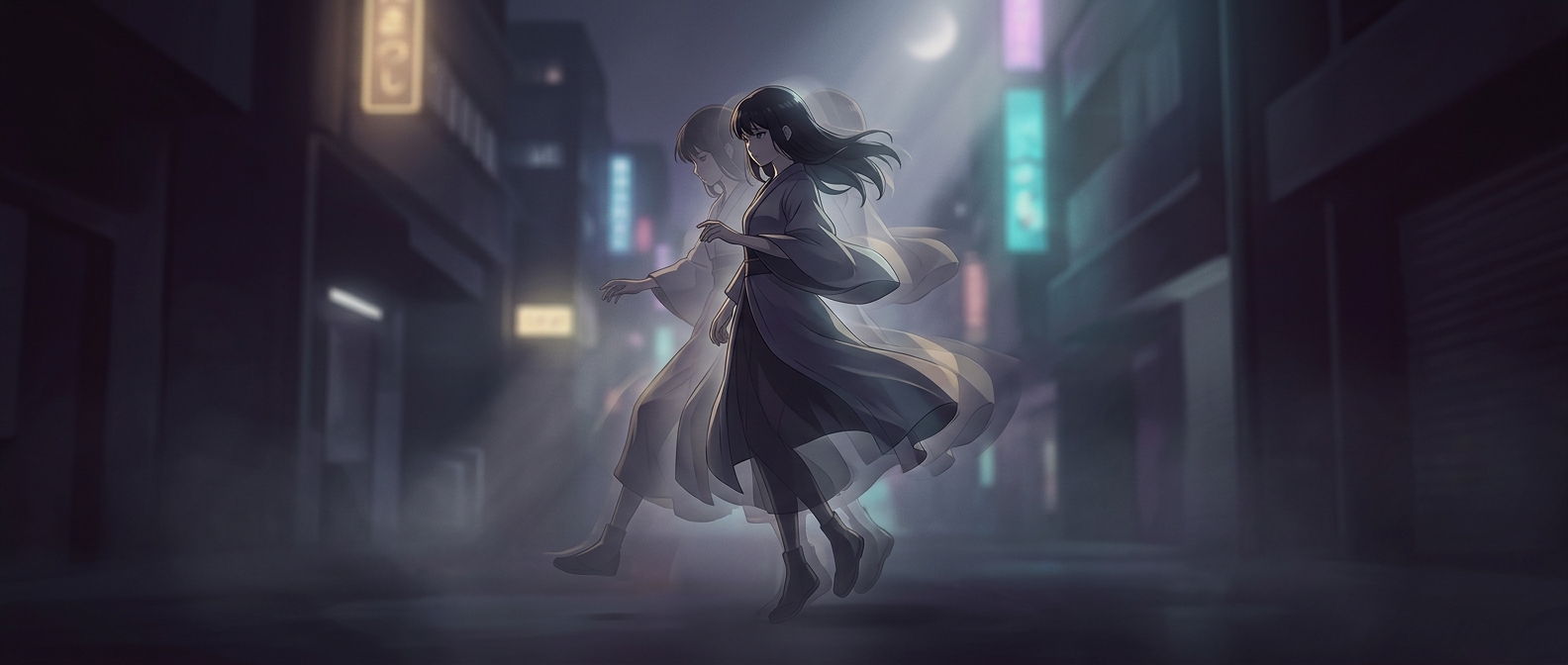
A character does not have to move for a shot to feel as though it is traveling. If the artwork stays fixed while the camera view shifts across it, details slide through the frame: a road passes beneath a vehicle, a landscape drifts behind a character, or a room seems to glide by. The movement comes from the changing view, not from newly drawn poses.
In digital animation, this can be done by moving the virtual camera over a large background image. In a traditional setup, artwork or a camera could be shifted between exposures. Either way, the visual result is a pan—a sweep across the scene—rather than animation of every limb or object.
What the Shortcut Saves—and What It Cannot Do
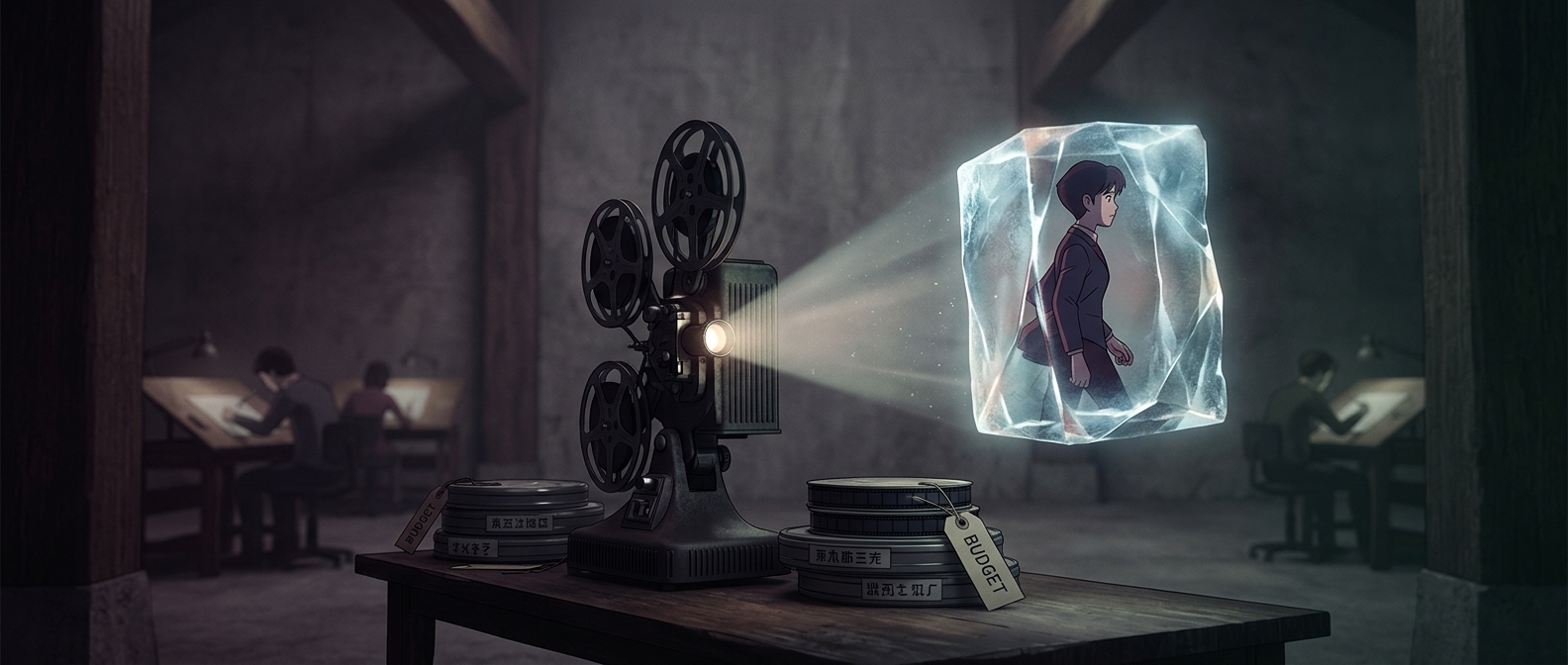
Drawing motion frame by frame means creating successive images that change slightly, then showing them in sequence. A held drawing avoids that work for the parts that remain still. The savings are greatest when the scene needs to communicate travel, waiting, or a pause, and the audience’s attention can follow the moving scenery instead of searching for small body movements.
But a pan cannot make a frozen figure convincingly walk, turn, or react. If the character’s pose stays identical, the audience may read the shot as a deliberate hold—or notice the stillness. Animators can preserve the illusion by choosing a pose that fits the moment, adding movement only where it matters, or cutting to a new drawing when the action changes.
Economy Becomes a Visual Choice
Limited motion is not automatically a flaw. A held image can make a moment feel suspended, emphasize a character’s expression, or give the scenery room to register. The practical tradeoff is between spending effort on continuous movement and directing attention through framing, timing, and selective changes. A camera glide over one drawing can carry the scene; a single newly animated gesture can then stand out precisely because everything else held still.