A Silhouette That Stays Readable
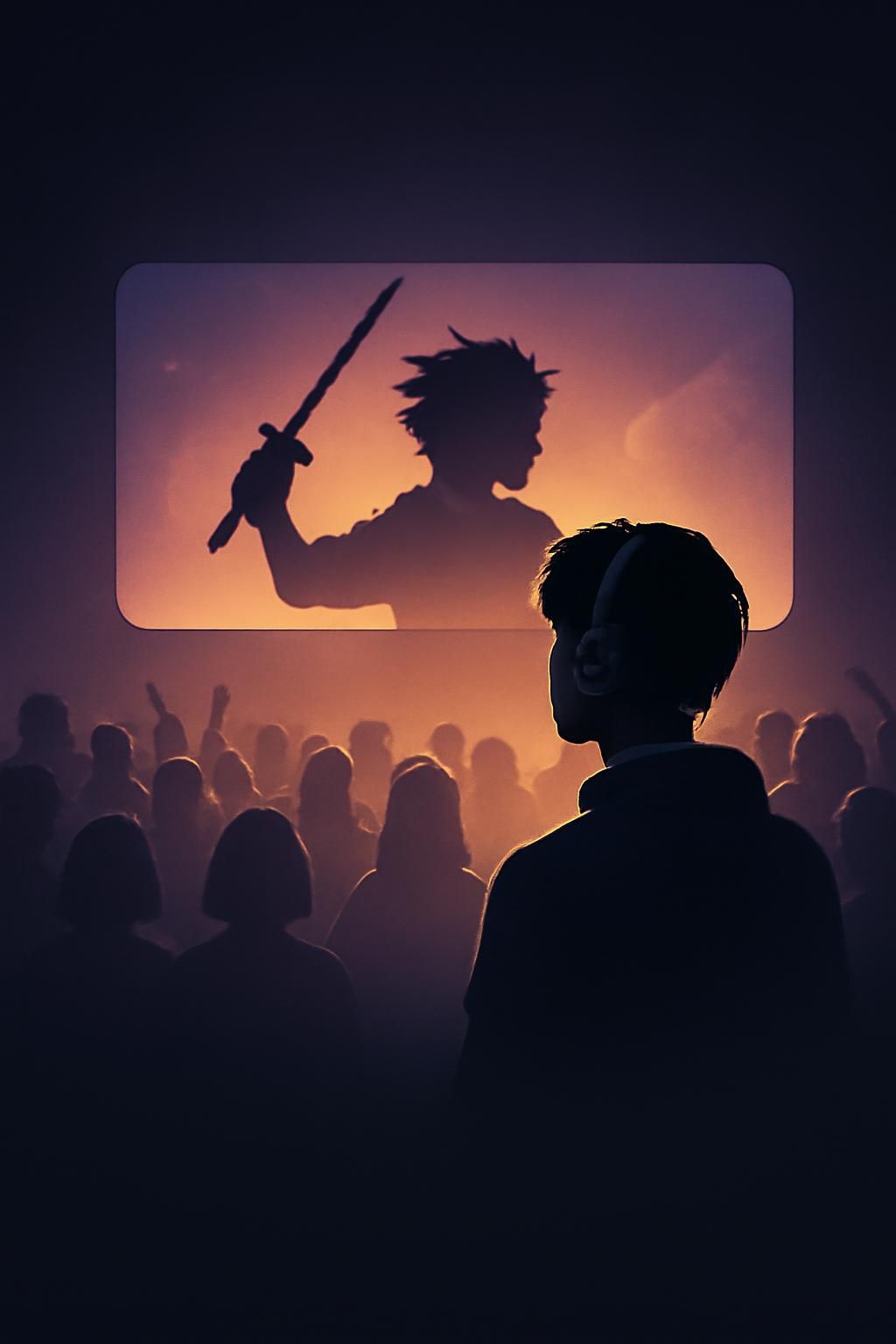
A cartoon hairstyle is often designed less like a mass of hair and more like a logo attached to a character. Tall spikes, a swept-back crest, or a perfectly fixed curl can make someone recognizable even in a tiny frame or a quick glance. If those shapes drooped, bounced, and sagged like real hair, the character’s outline would change from pose to pose—and become harder to identify.
The Tradeoff Behind the Spikes
Real hair is made of many flexible strands. Its shape depends on length, stiffness, moisture, styling, and movement; gravity pulls it down, while the neck and scalp support its weight. Cartoon hair skips that complexity. Artists can treat it as a few bold shapes that remain in place, keeping the face and expression clear while the character moves.
That choice is a form of visual shorthand: a simplified feature that communicates quickly. A sharp, upright silhouette can suggest energy or eccentricity, while a neat, smooth style can suggest control. These meanings are not universal, but a stable outline lets an audience read a character without waiting for every strand to settle.
When the Hair Moves, the Rule Changes
Some cartoons do make hair flap or bounce, especially during a fall, a gust of wind, or a sudden turn. The movement is usually selective: a lock swings because the action calls attention to it, then returns to its familiar shape. The hairstyle bends to serve the joke, the mood, or the pose—not to simulate every physical force.
That freedom is practical as well as expressive. A character can sprint, leap, or stand on their head without the hairstyle obscuring the face or requiring a new, realistic arrangement in every drawing. The impossible spikes are doing useful work: they keep the character legible while making the design memorable.