Animation built from paper, one frame at a time
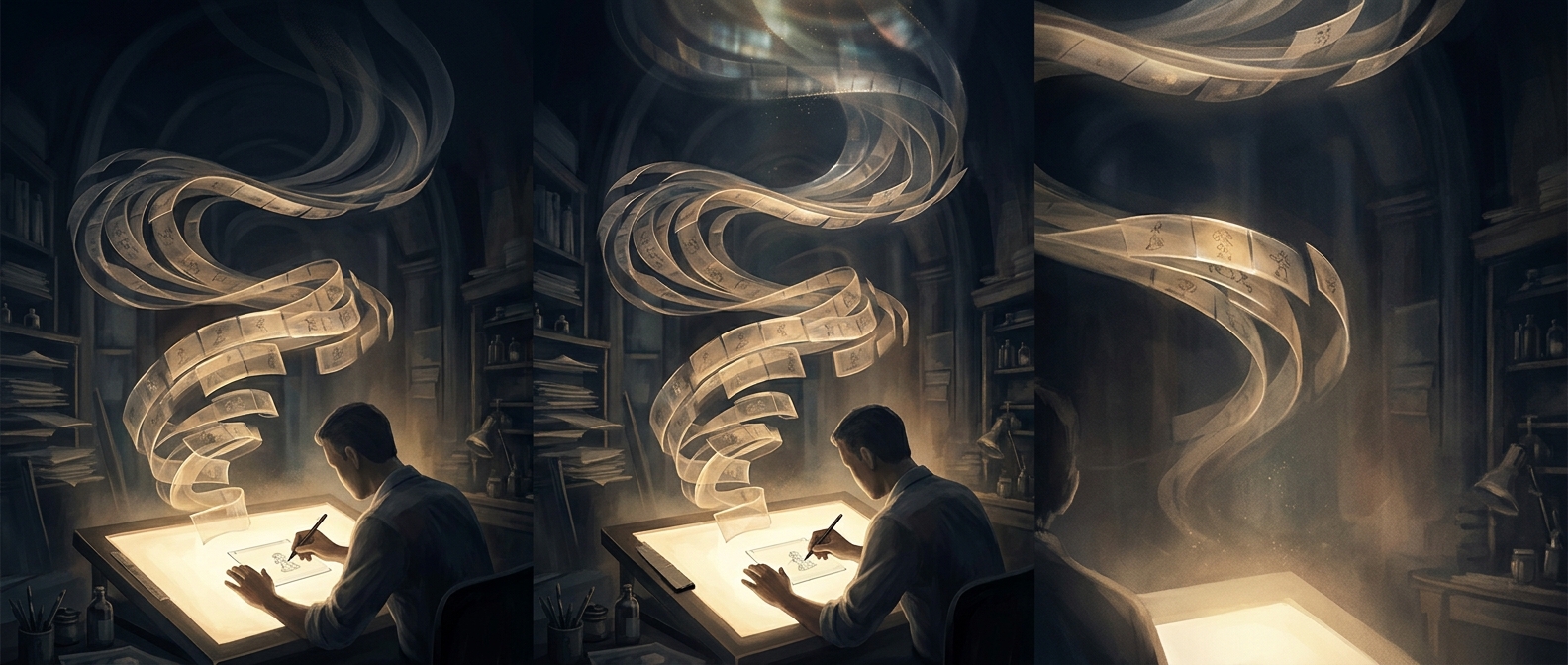
Quirino Cristiani’s El Apóstol was made with cutout animation: flat figures were arranged on a surface, photographed, then shifted slightly before the next photograph. Projected in sequence, those tiny changes made the figures appear to move. Unlike drawn animation, which requires a new image for each frame, cutouts let an animator reposition parts of a figure—but every gesture and change of pose still had to be planned and photographed by hand.
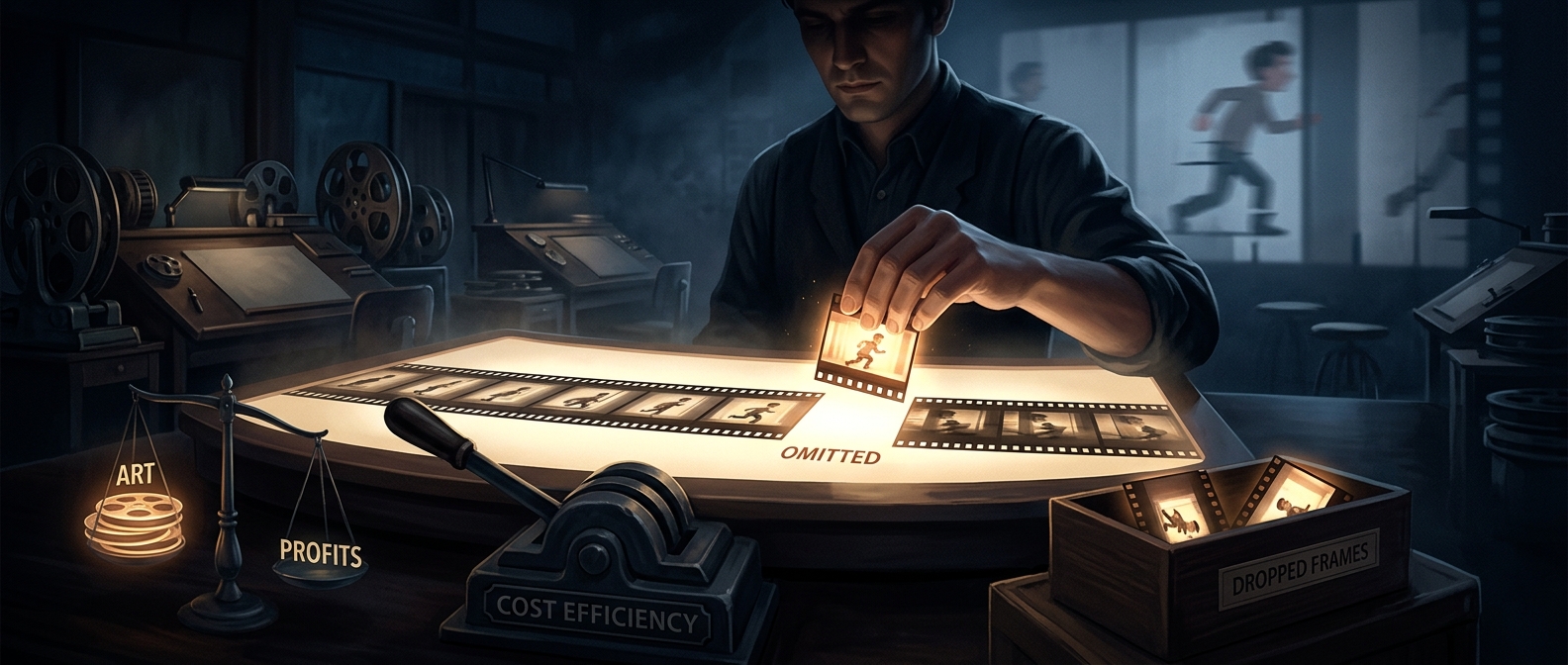
A feature-length story magnified that labor. Characters needed different poses to walk, gesture, and react, while new settings and scene changes had to be assembled and filmed. The thousands of cutout figures were not just a visual gimmick; they were part of the practical machinery that let a small animation operation sustain a story at feature length.
Satire gave the technique a target
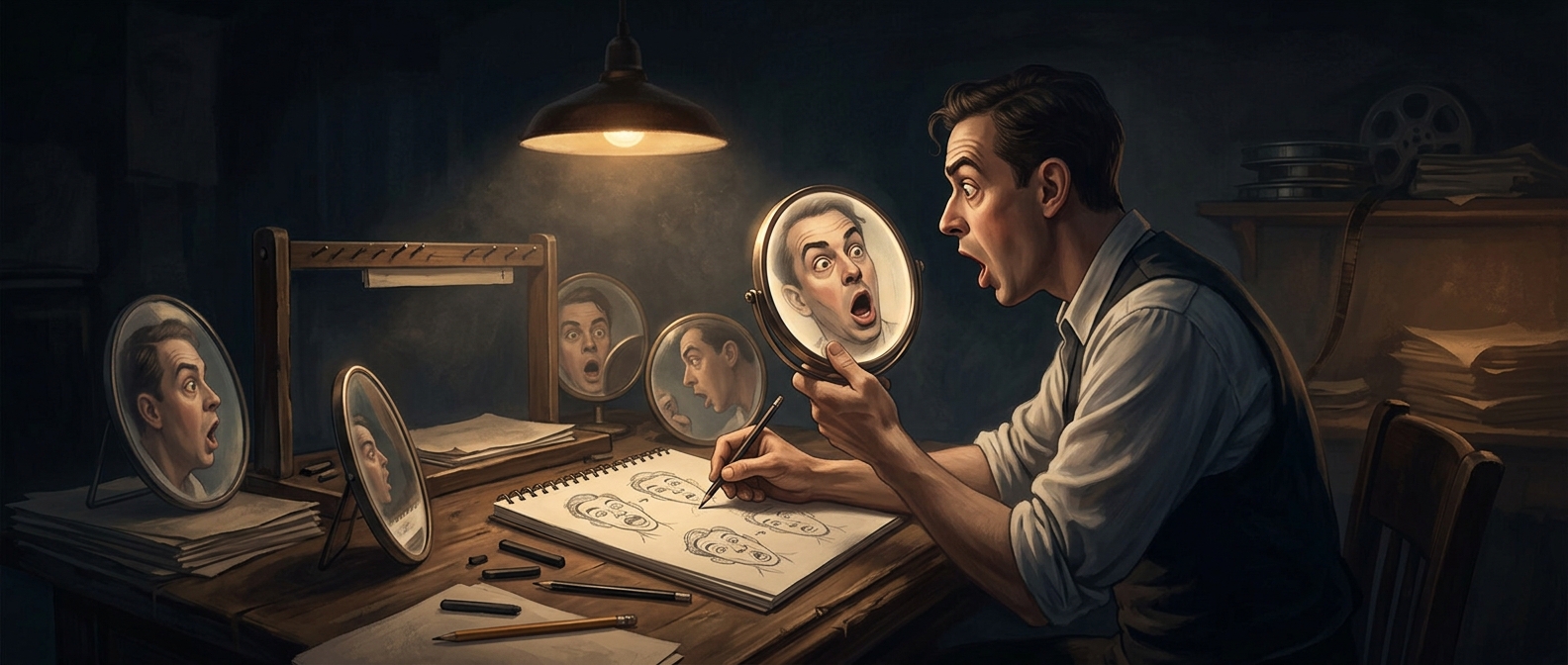
The film’s political humor depended on recognizable behavior as much as caricature. Exaggerated figures and actions could turn public power into something absurd, making animation a tool for commentary rather than merely a novelty. Its dark tone also shows how flexible the form already was: animated characters could carry a political story, not only entertain children.
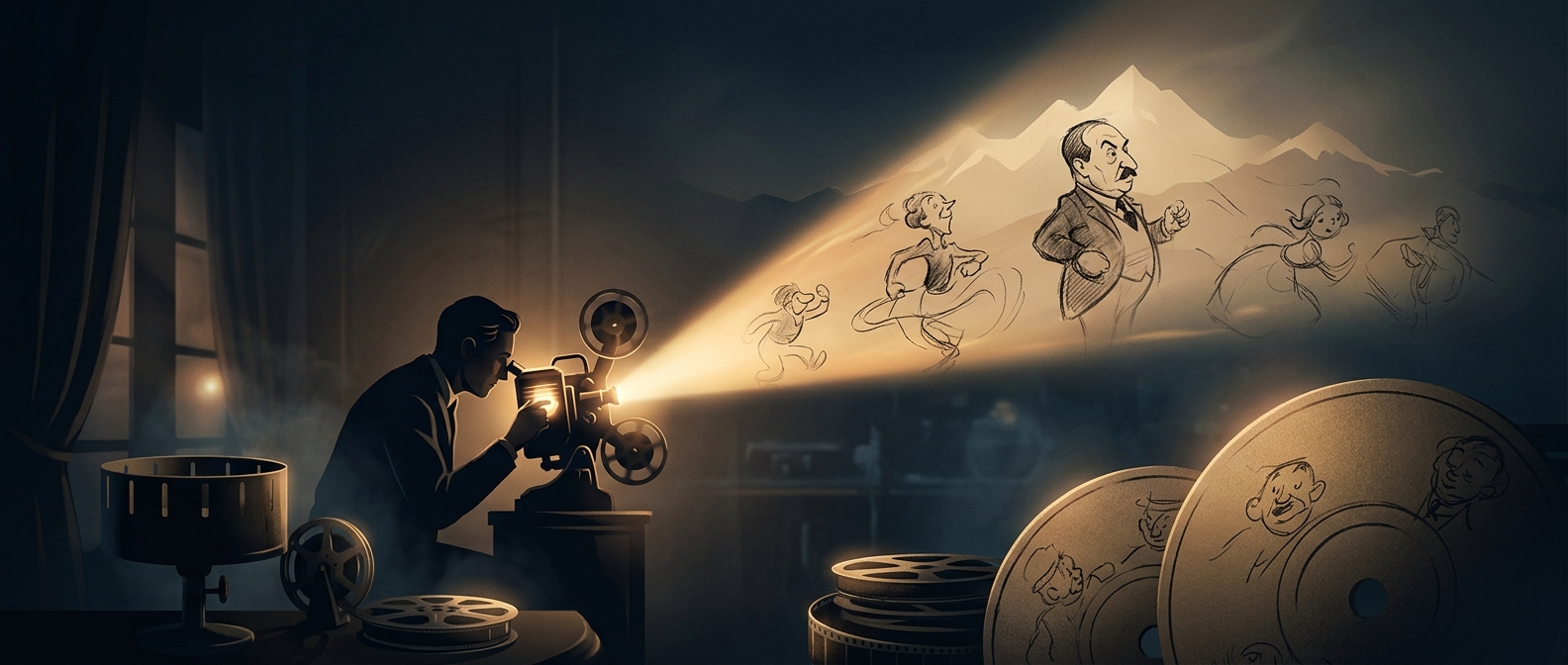
That combination—labor-intensive handmade movement and topical satire—makes the film a revealing early experiment. It demonstrated that animation could support a feature-sized narrative before the medium’s later association with American studio productions had taken hold.