Anime gives food a different kind of close-up
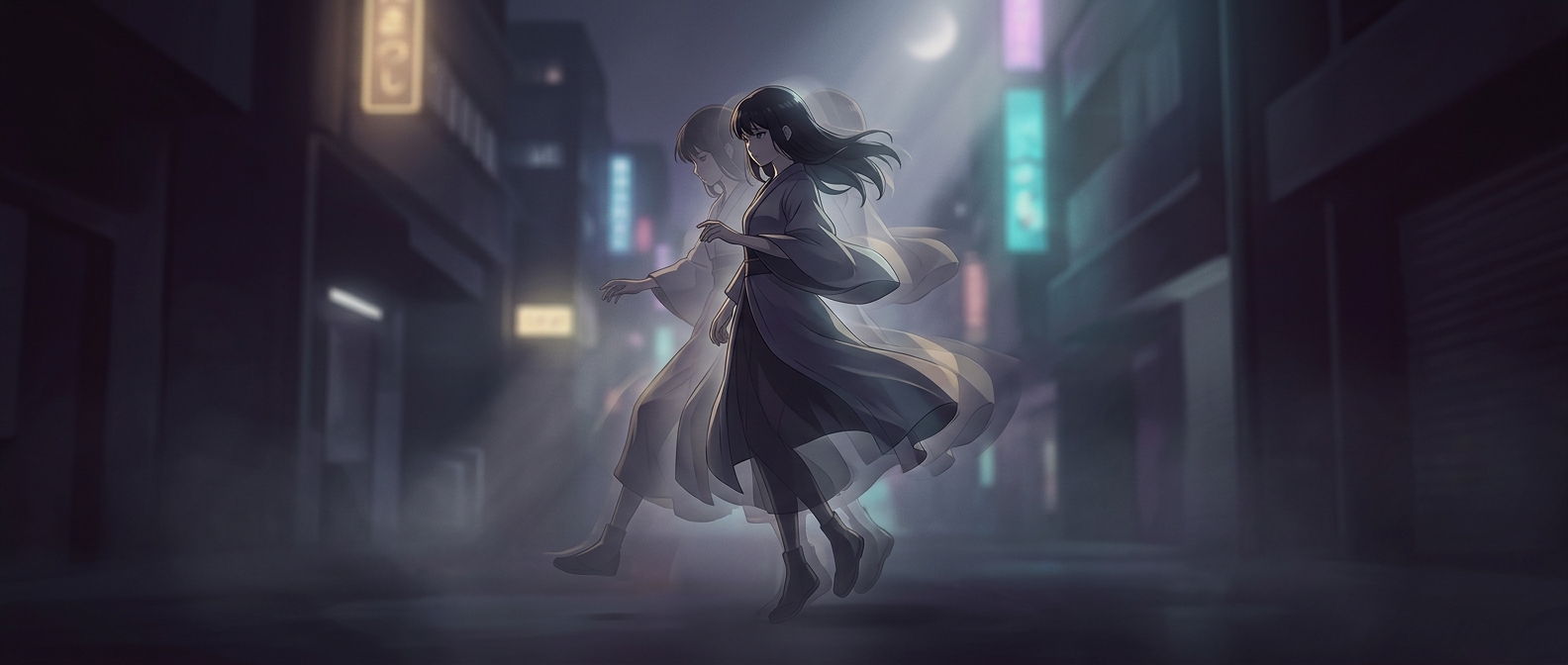
A character has to remain recognizable through many poses, expressions, and scenes. That favors clear, repeatable shapes: large eyes, tidy outlines, and features simple enough to animate consistently. Food has no such job. It appears as an object of attention, often for only a brief shot, so artists can spend that moment making a bowl of noodles look glossy, a cut of meat look tender, or a pastry’s layers look crisp.
The contrast is deliberate, not necessarily a sign that the food received more total work than the characters. It reflects what each image needs to communicate. A face must read quickly; a meal must make the viewer imagine its texture and taste.
Small visual cues make a dish feel edible
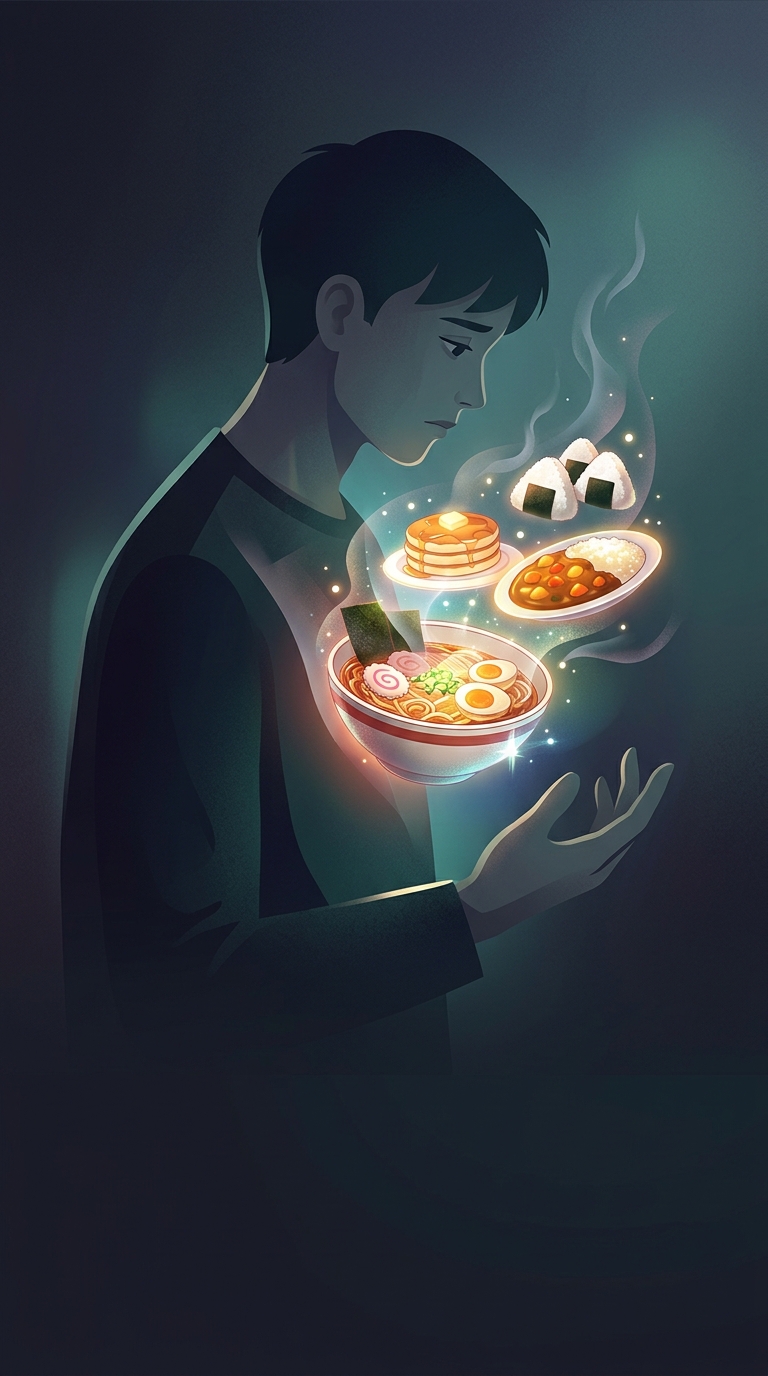
Artists draw on details people associate with real food: highlights on broth or sauce, translucent edges on sliced vegetables, browned surfaces, and wisps of steam. Warm color and careful shading help suggest heat, moisture, and softness. A close-up can isolate those cues from the rest of the scene, giving them room to register.
The surrounding action helps, too. A character lifting noodles, biting into a pastry, or pausing over a steaming bowl turns the picture into a tiny sequence. The food is not merely displayed; the viewer sees how it might feel to eat it.
A memorable dish can carry the scene
Meal shots often mark a pause in the story: a reward after effort, a moment of comfort, or time shared with other characters. That gives the food a clear narrative purpose. The character design keeps the cast readable from scene to scene; the food close-up makes one particular meal feel vivid and worth remembering. In effect, anime can make a simple bowl the star for a few seconds without changing how its human characters are drawn.