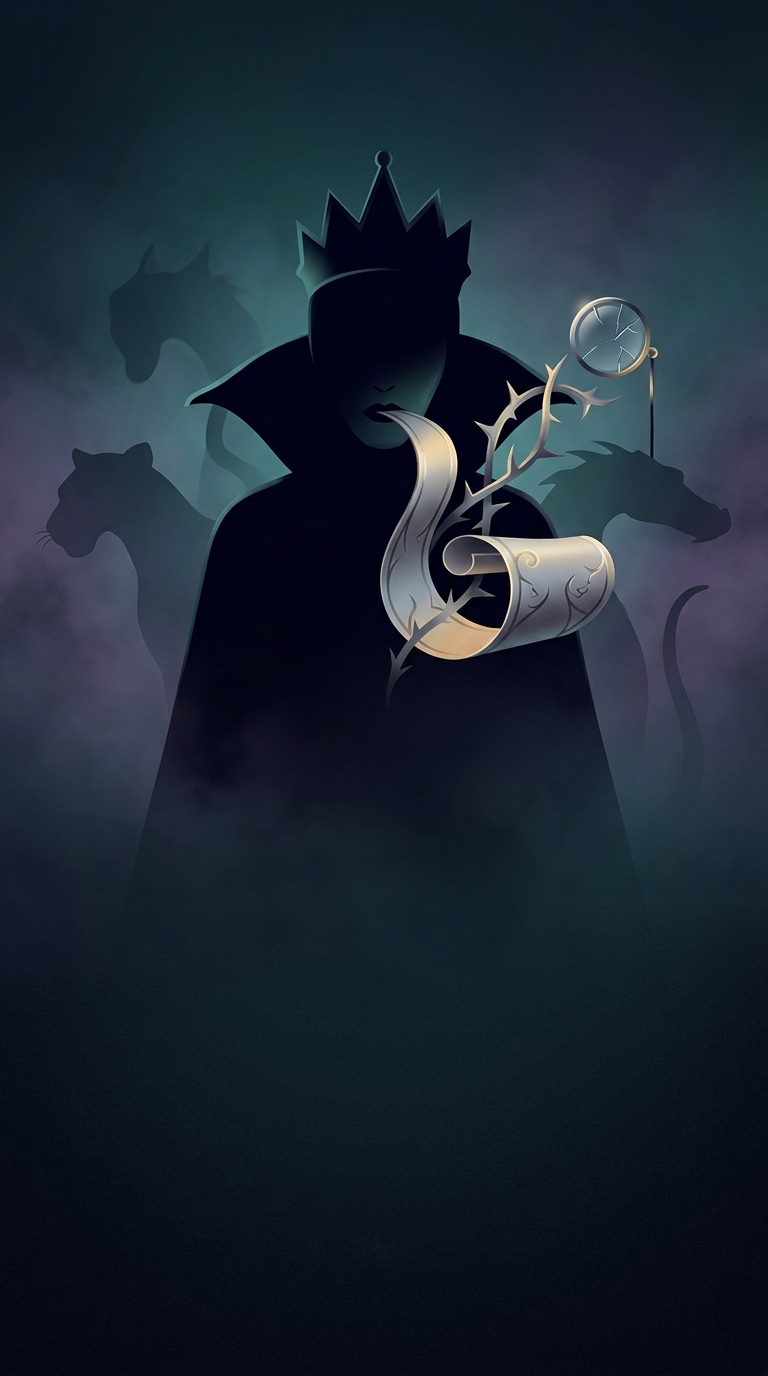
A voice can make a villain sound above the rules
A polished British accent often gives an animated villain an air of education, authority, and social distance. To many American audiences, that sound can suggest someone who has been trained to speak carefully—and who expects others to listen. In a film, a few lines can establish that impression before the character has done much at all.
That contrast helps make the character feel imposing. Scar’s controlled, theatrical delivery and Shere Khan’s measured speech make them seem composed even when they are threatening. Their menace comes partly from the sense that they regard other characters as beneath them. The accent is not the cause of their villainy; it is a performance choice that helps express their status and temperament.
A familiar shortcut in American entertainment
For decades, British accents have often served American film and television as shorthand for refinement, old institutions, or aristocratic privilege. That association is cultural, not a reliable guide to a person’s character. Animation can use it especially efficiently: because audiences see a drawn character, a distinctive voice does much of the work of suggesting age, class, personality, and authority.
The effect also depends on contrast. A villain with a formal, cultivated voice can sound more remote beside characters whose speech feels casual and familiar. A voice actor’s precise diction, rhythm, and emphasis strengthen that impression; the accent alone does not do all the work.
An accent is a character tool, not a rule
Disney villains do not all speak with British accents, and British accents do not inherently sound sinister. The pattern is better understood as one option in a broader set of casting and storytelling conventions. When a refined voice makes a villain seem untouchable, the audience can hear the character’s imagined rank before the story explains it.