Why the leaked trailer looked so rough
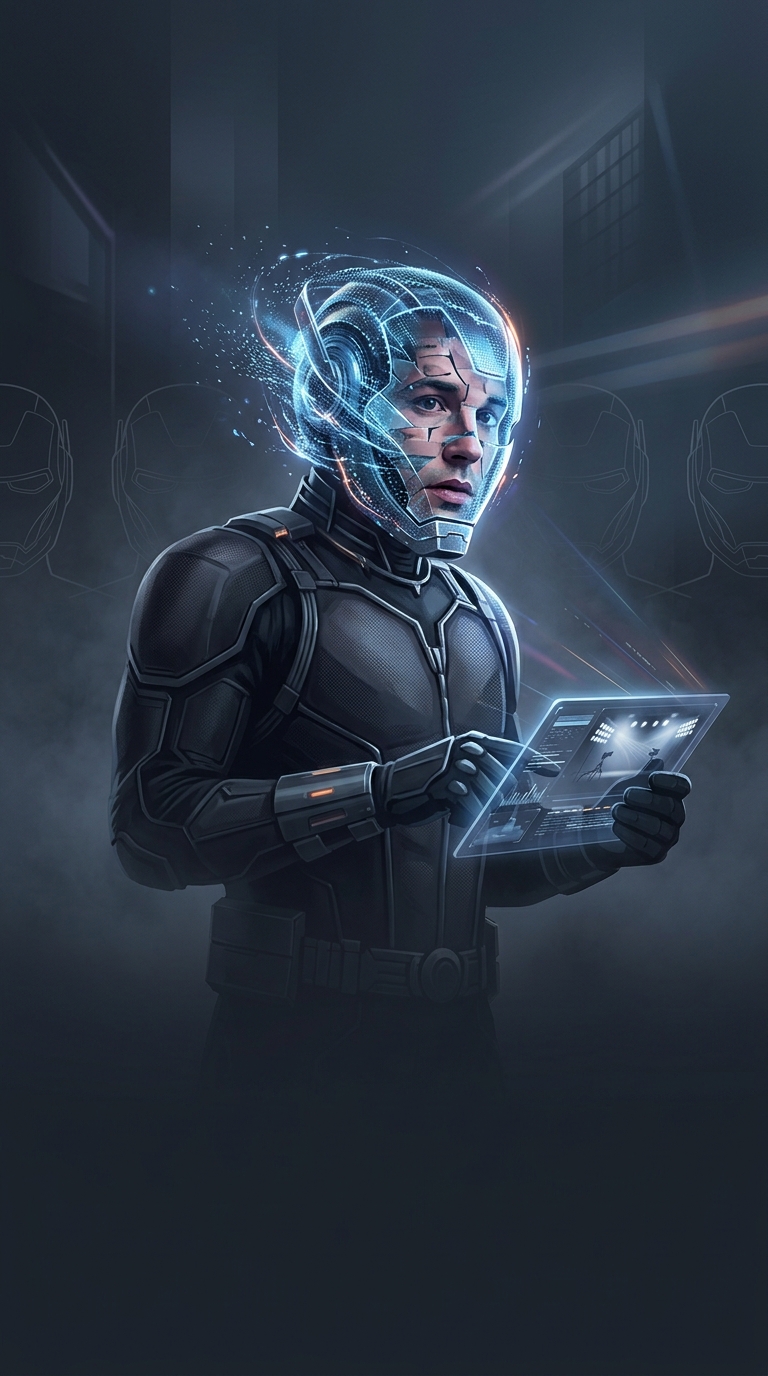
A trailer is often assembled before every visual effect is finished. Effects artists may still be building digital characters, environments, and action while editors prepare a version for review or release. In an unfinished cut, temporary imagery or incomplete effects can stand out—especially when the footage is recorded off a screen, where blur, glare, and compression further muddy the picture.
That distinction matters: the leak showed a work in progress, not a final measure of the movie’s visual quality. The rough appearance came from both the state of the effects and the poor recording, making it difficult to tell what was temporary and what was simply distorted.
How a takedown can amplify a leak
Copyright notices are meant to limit unauthorized copies, but they can also signal that a clip is attracting attention. When one upload disappears, viewers may search for another copy, repost fragments, or discuss what the notice seems to confirm. That creates a feedback loop: attempts to contain the footage can make the leak itself more visible.
For a highly anticipated film, even a brief, degraded glimpse can become a story of its own. Fans scrutinize unfinished images and speculate about what they show, while the studio loses control over the moment and conditions of the reveal. The odd consequence is that the trailer’s obvious roughness became part of its spread: viewers were not just watching a preview, but watching evidence that the preview had escaped before it was ready.