Why StarCraft Became a Spectator Sport in South Korea
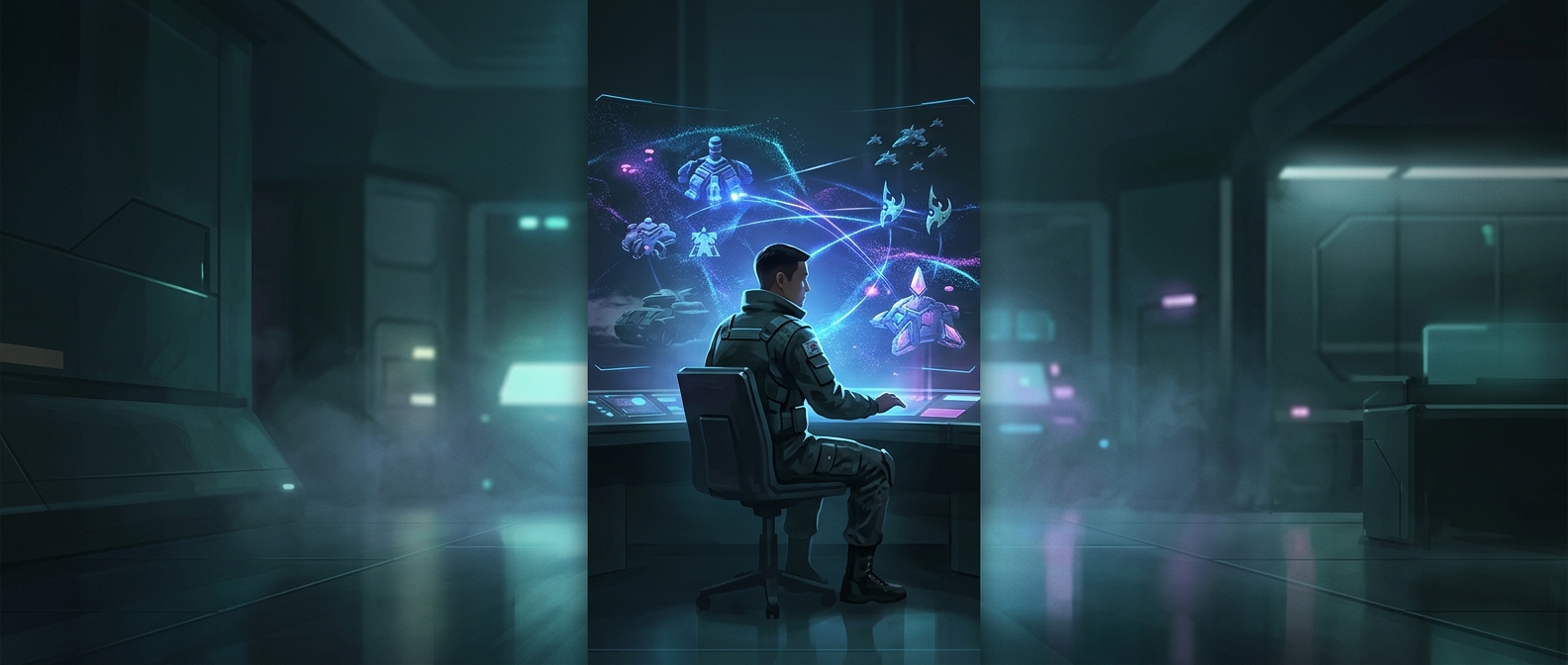
StarCraft was built around decisions that could be seen—and argued over. Players gathered resources, built armies, scouted opponents, and tried to outmaneuver them in real time. Its three factions had sharply different units and strategies, so matches were not simply contests of speed: players had to anticipate what an opponent was preparing and change plans when new information appeared.
That made the game compelling to watch. A sudden attack could punish a player who had invested in the wrong defenses; a well-timed counter could turn a desperate position into a win. Viewers who knew the game could follow the strategic choices, while a commentator could explain why one move mattered.
From Local Matches to a League System
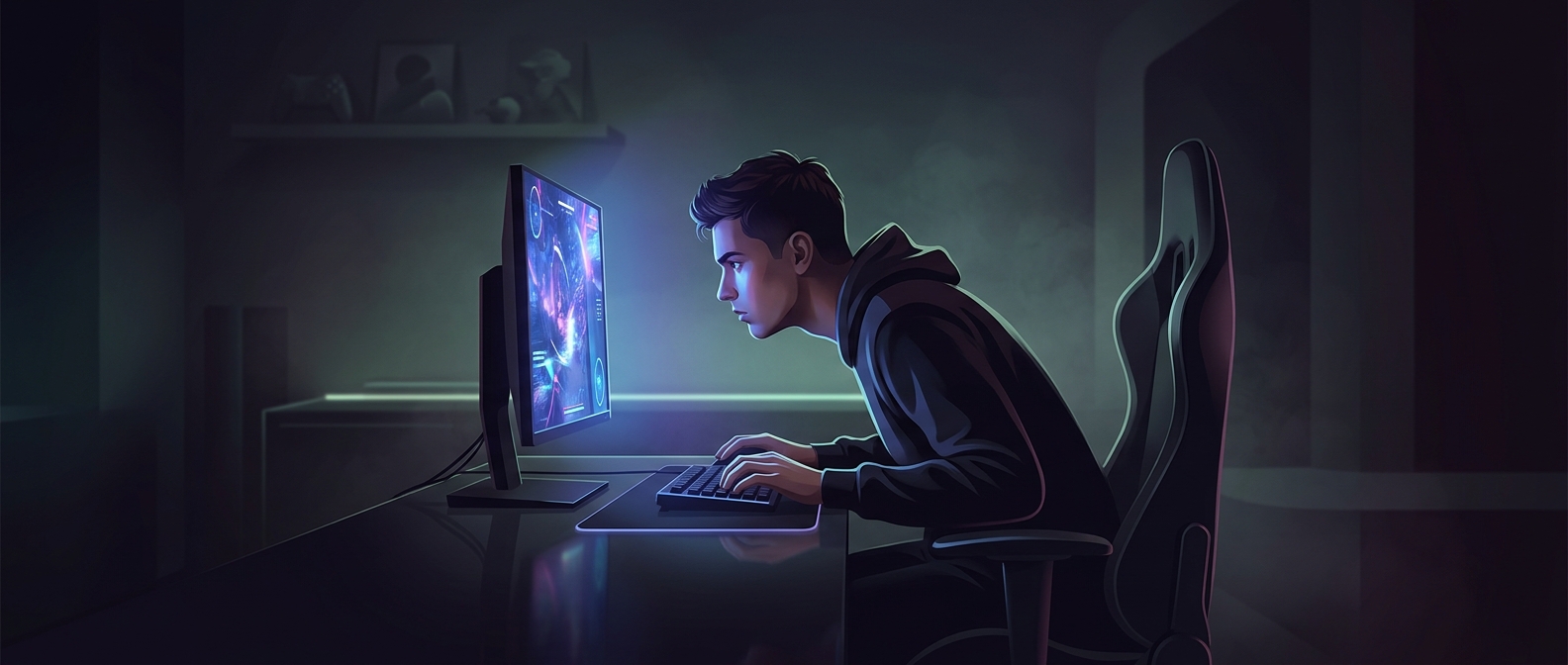
South Korea’s growing network of PC bangs—public gaming cafés—gave people places to play and compete outside their homes. As StarCraft spread through those venues, skilled players became recognizable figures. Broadcasters began building regular programming around matches, turning a hobby into a repeatable show with players, rivalries, and tournaments.
The crucial change was not just putting games on television. Organized leagues created a path from informal competition to professional play. Teams and sponsors could support players, while broadcasts gave audiences a reason to follow particular competitors from one match to the next. Dedicated gaming channels and large live events grew out of that ecosystem.
Skill That Could Be Measured—and Seen
Players’ actions per minute, or APM, became a famous shorthand for mechanical speed: how quickly they issued commands. But rapid clicking alone did not win matches. Effective players had to divide attention among expanding their economy, managing battles, scouting, and responding to threats. Their skill was legible in the tension between a flurry of commands and the strategic decision those commands served.
Esports existed before StarCraft, but its Korean competitive scene helped establish a durable model for televised leagues, celebrity players, teams, and live tournaments. The game’s legacy is visible in that format: a strategy match could become a season-long public rivalry, followed by thousands of fans watching the decisive game together.