A Quiet Loop Inside a Noisy Game
Fishing gives a game a small, self-contained activity with a rhythm unlike combat or exploration. The player casts, waits for a cue, then reacts at the right moment. That simple loop creates anticipation and a quick test of timing without demanding the same constant movement or danger as the main adventure.
The contrast is part of the appeal. After a tense mission, a player can choose to slow down, watch the water, and make progress at a gentler pace. Because fishing is usually optional, it can offer a breather without interrupting the people who would rather keep moving.
A Minigame That Also Feeds Progress
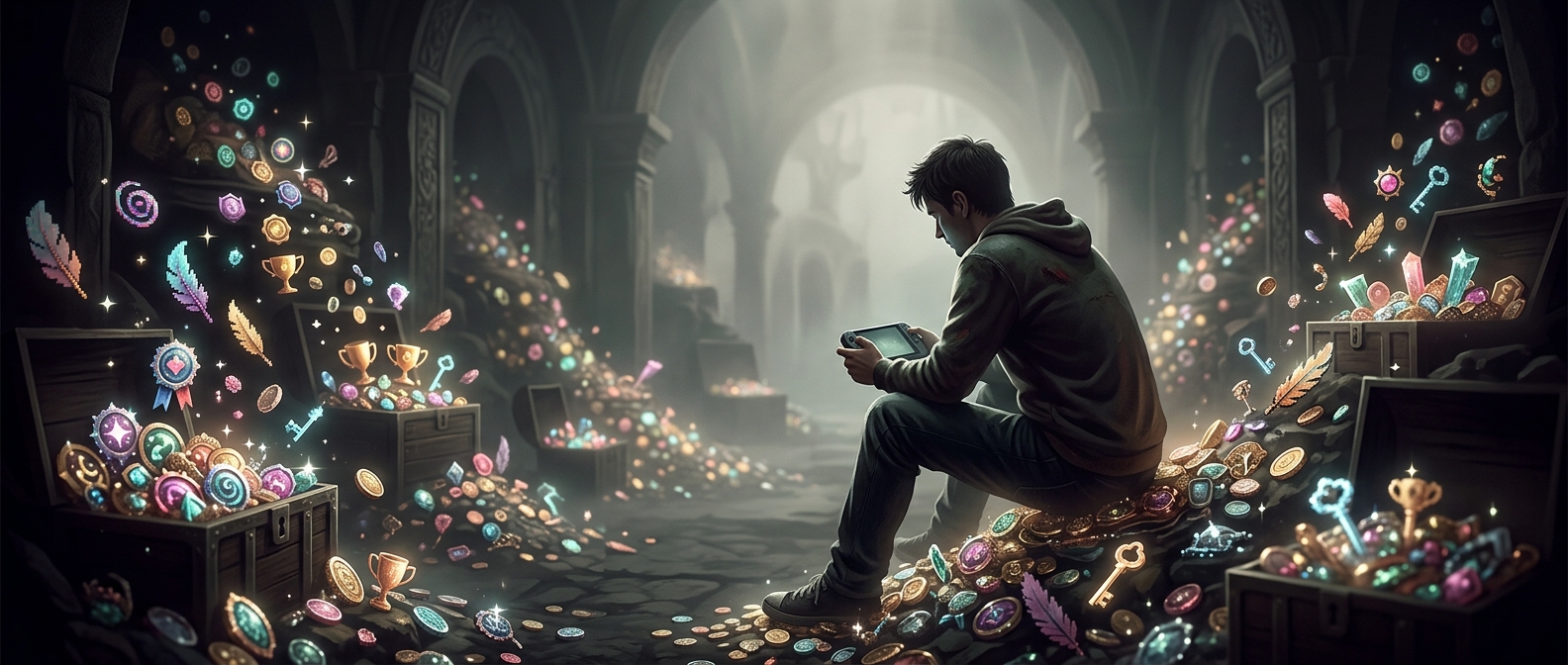
Fishing can do more than fill a quiet stretch. Catches may become collectibles, ingredients, equipment, or entries in a completion list. Designers can connect the activity to a game’s existing rewards while keeping its basic rules easy to grasp: try for a catch, learn its timing, and see what turns up.
That structure is flexible enough to fit very different worlds. A game can change the setting, the creatures, and the visual style while preserving the familiar sequence of waiting, reacting, and being rewarded. The activity feels recognizable even when the surrounding adventure is not.
Why the Rod Keeps Coming Back
Fishing is therefore less a break from a game’s design than another useful tool within it. It creates a low-pressure pocket where players can pursue a small goal, collect something unusual, or simply choose a slower pace. In a game built around urgency, the option to stop and wait for a bite can be a surprisingly effective reward.