A depression screen asks a narrow set of questions
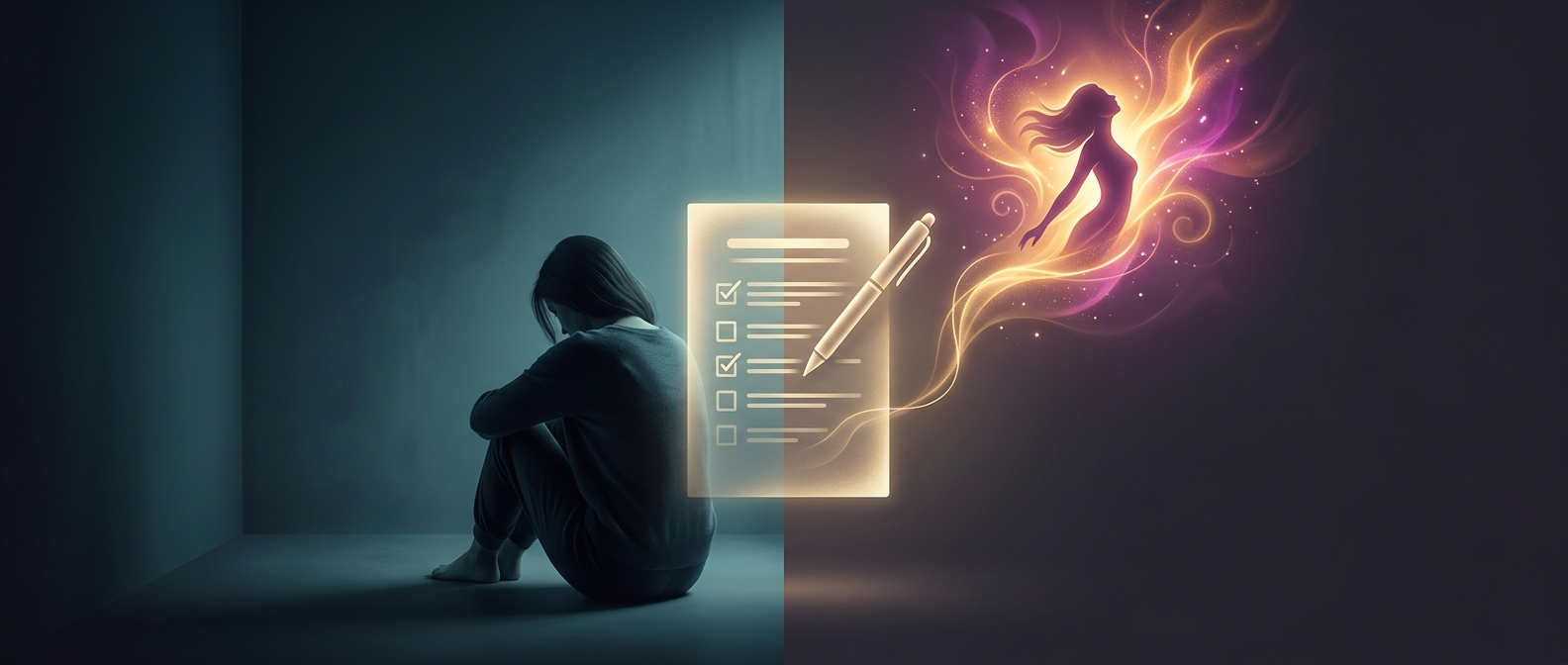
The Edinburgh Postnatal Depression Scale, often called the EPDS, is a questionnaire used after childbirth to flag symptoms associated with depression and anxiety. It asks about experiences such as sadness, worry, and difficulty enjoying things. A score summarizes answers to those questions; it is not a complete check of every condition that can affect a new parent.
Mania can look very different. Instead of persistent low mood, a person may have unusually high energy, little need for sleep, racing thoughts, or impulsive behavior. Because those experiences are not what the EPDS is designed to measure, someone can report few depressive symptoms and still be seriously unwell.
Why the distinction matters after birth
Sleep loss and the demands of caring for a newborn can make changes in mood and energy hard to interpret. But a sharp shift—especially several nights with little sleep alongside rapidly changing thoughts or behavior—can signal a condition that needs prompt clinical attention. Postpartum psychosis, which can involve losing touch with reality, is a psychiatric emergency.
A low depression-screen score therefore cannot settle the question of whether someone is safe or needs care. Clinicians may need to ask directly about unusually elevated or irritable mood, sleep, racing thoughts, and experiences such as hallucinations or fixed false beliefs. The right screen depends on the symptoms being looked for. If concerning changes appear, describe them to a health professional even when a questionnaire result seems reassuring; immediate danger or a loss of contact with reality calls for emergency help.